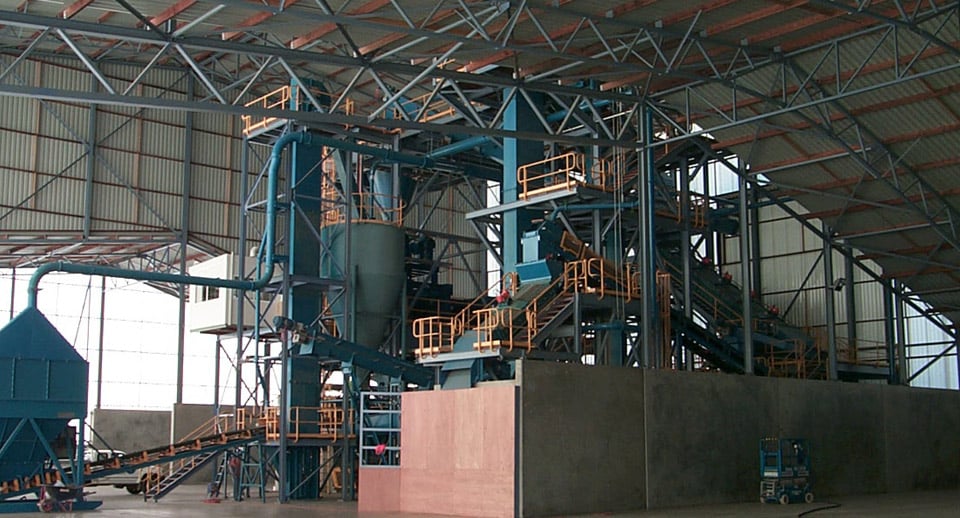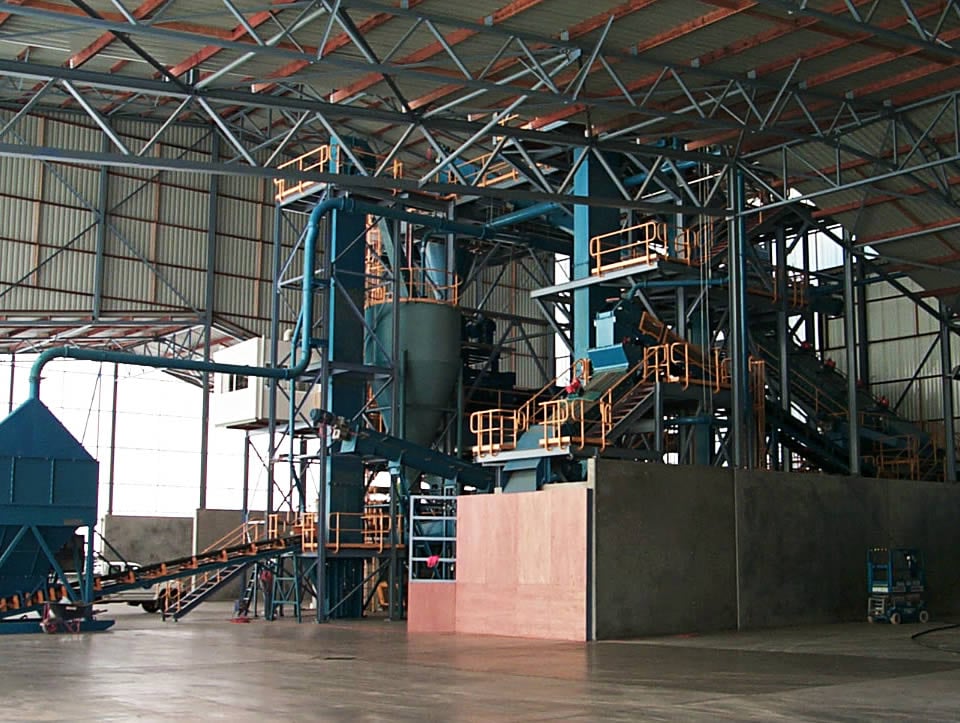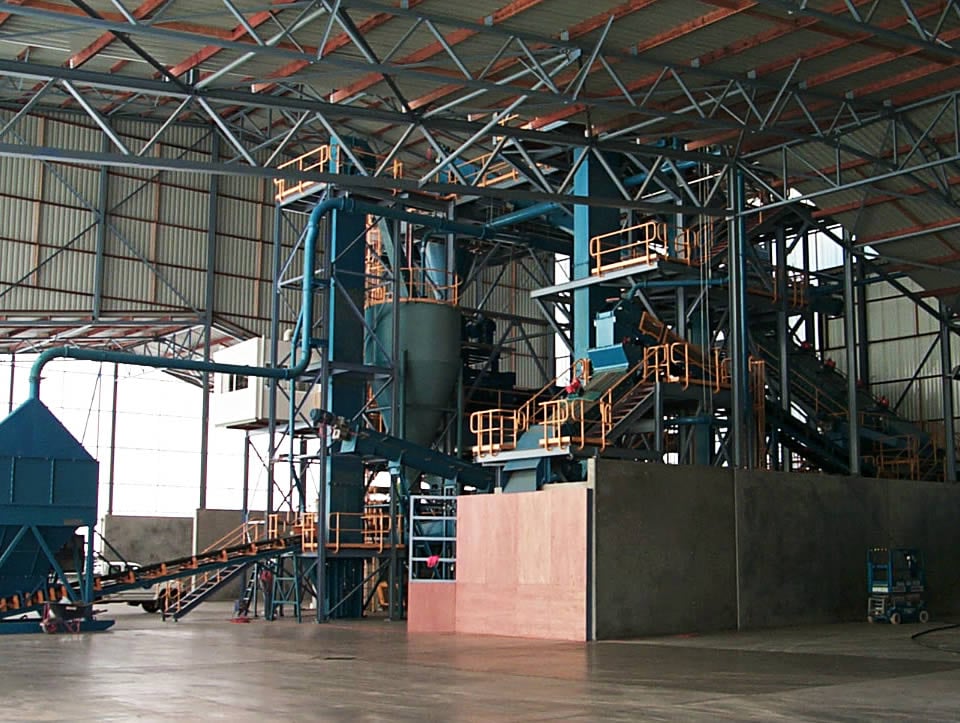
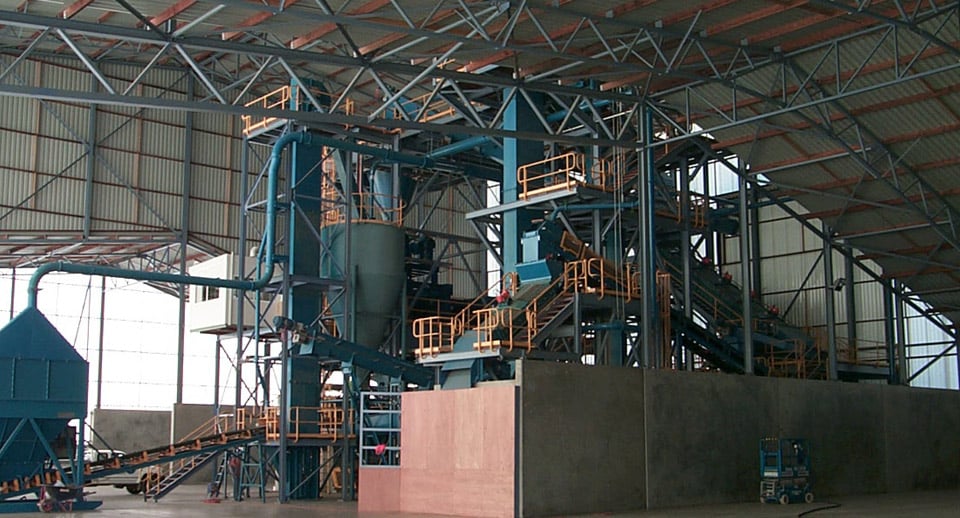
INORGANIC FERTILIZER SYSTEMS
FEECO started its business in 1951 offering fertilizer granulation systems using inorganic raw materials. Today, we have refined the process to provide you with a state-of-the-art system for your granulation needs.
EQUIPMENT
Agglomeration
Thermal Processing
Bulk Material Handling
FEECO is capable of meeting the requirements necessary for CE marking equipment.

All FEECO equipment and process systems can be outfitted with the latest in automation controls from Rockwell Automation. The unique combination of proprietary Rockwell Automation controls and software, combined with our extensive experience in process design and enhancements with hundreds of materials provides an unparalleled experience for customers seeking innovative process solutions and equipment. Learn more >>
WET GRANULATION SYSTEMS
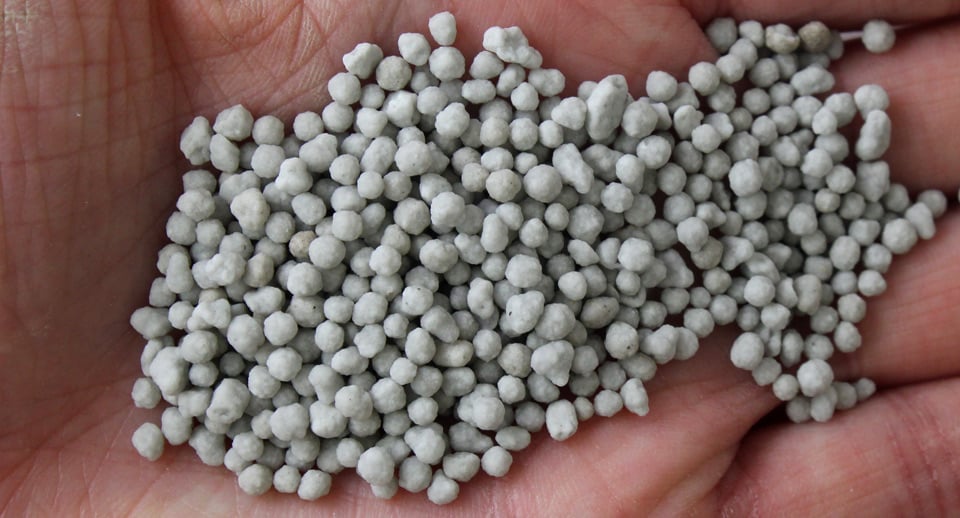
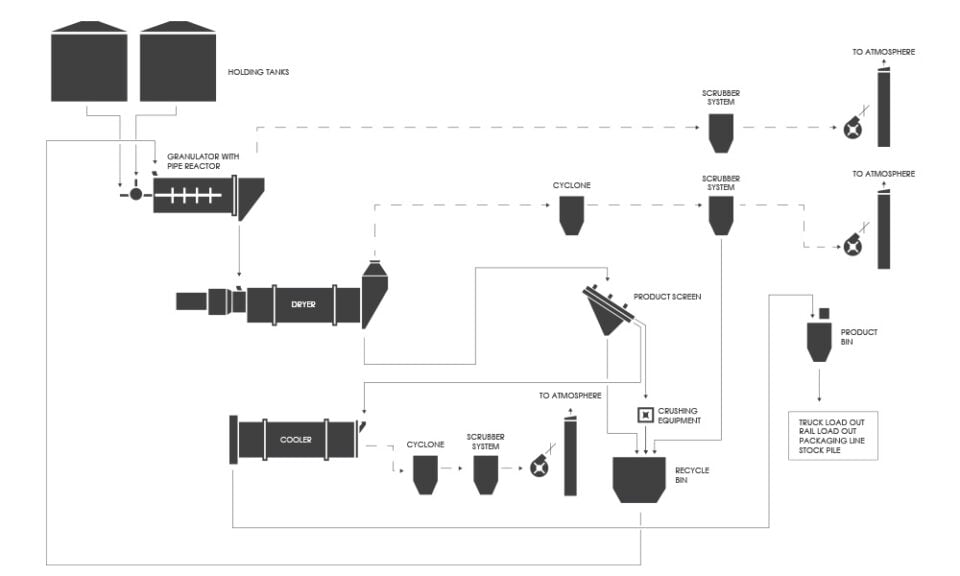
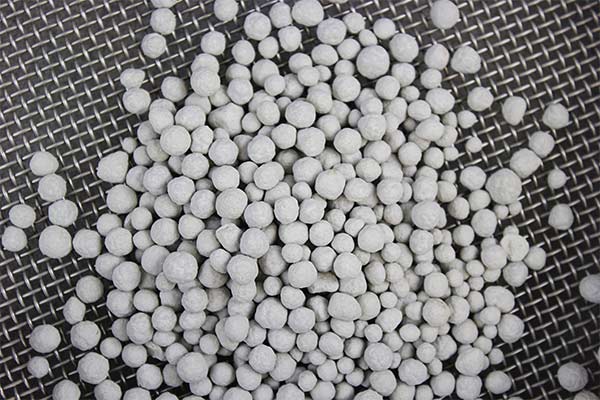
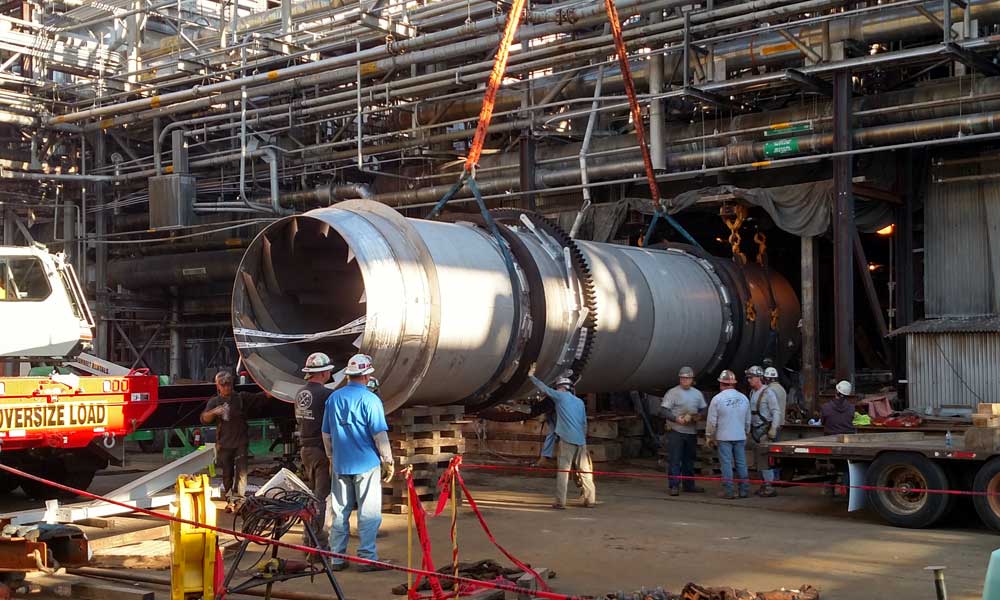
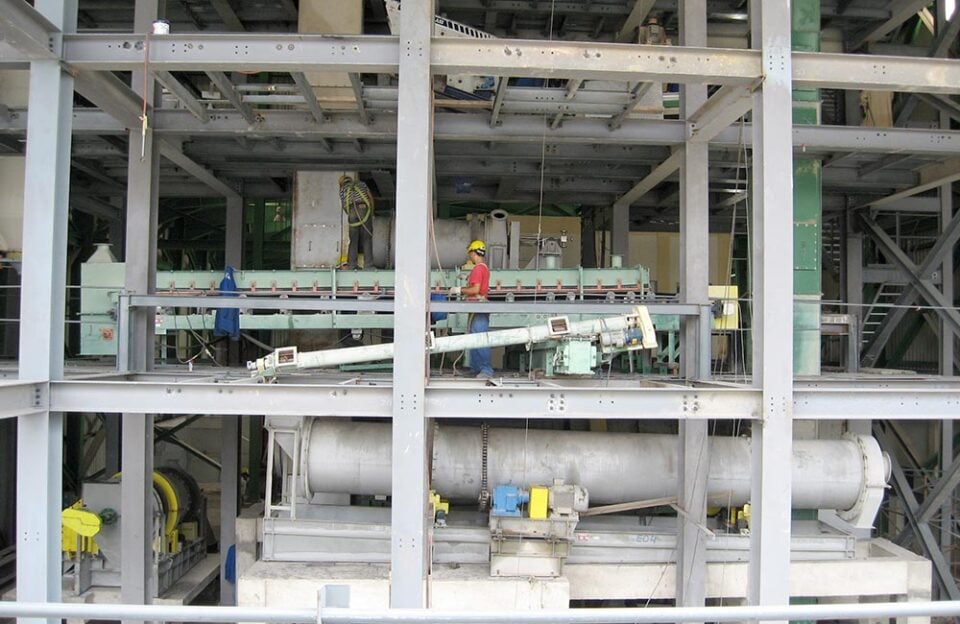
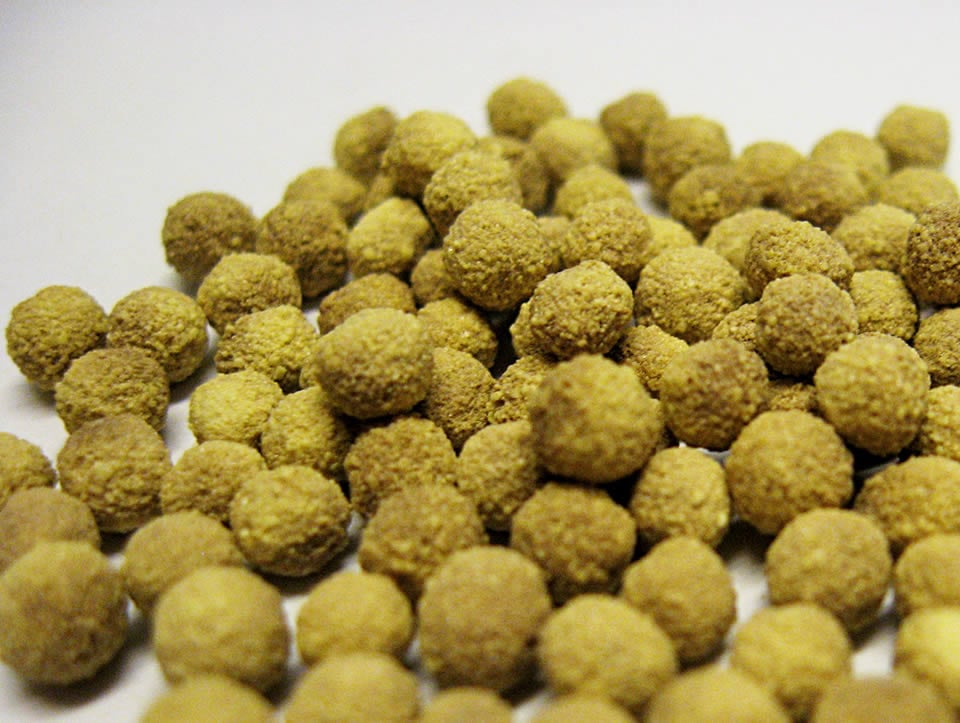
FEECO specializes in wet granulation systems (also commonly referred to as non-pressure, tumble growth, or agitation agglomeration) – a classical approach to fertilizer granulation using a rotary drum or disc pelletizer to form the granules, followed by a drying, screening, and recycle circuit. This system is very flexible and is widely used to produce a variety of different fertilizer and soil amendment products, including:
- DAP (di-ammonium phosphate) and MAP (mono-ammonium phosphate)
- NPK Grades
- Potash (KCl)
- Ammonium Sulfate
- TSP (triple super phosphate) and SSP (single super phosphate)
- Urea
- Llimestone, gypsum, etc.
- Micronutrients (Zinc Sulfate, Magnesium Sulfate, etc.)
- Animal Feeds – DCP (di-calcium phosphate), MCP (mono-calcium phosphate), and DFP (de-flourinated phosphate)
NPK GRANULATION
FEECO International installed its first NPK Granulation plant in 1953 for Agway Fertilizer Company at Lyons, New York. The following year complete battery limit NPK granulation plants were engineered, designed, fabricated and installed world wide. FEECO has been able to stay in the forefront of NPK urea technology by working very closely with both equipment suppliers and customers throughout the world and is indebted to the IFDC for its assistance in urea technology. As the fertilizer industry expands and world wide awareness increases about the agricultural and economic benefits of high urea NPK fertilizers, FEECO has made a commitment to build on its long-standing expertise and maintain its leadership in the design, fabrication, and supply of fertilizer based products.
RESOURCES
PROJECT PROFILES
Rotary Dryer for Ammonium Sulfate
Fertilizer Granulation Pilot Plant
INORGANIC FERTILIZER SYSTEM ARTICLES
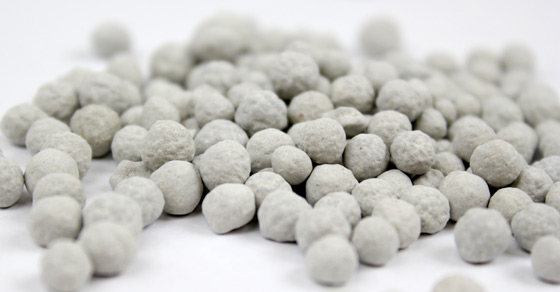
Processing Phosphates for Use in the Fertilizer Industry
Phosphorus is a vital component to the health of plants, assisting in many biological processes that help to create strong stems …
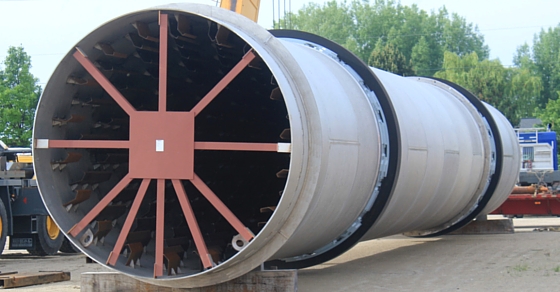
Phosphate Processing Equipment Overview
The phosphate industry continues to gain attention as of late, as the world begins to approach peak phosphorus. With that, companies …
BROCHURES
Granular Fertilizer Systems Brochure