
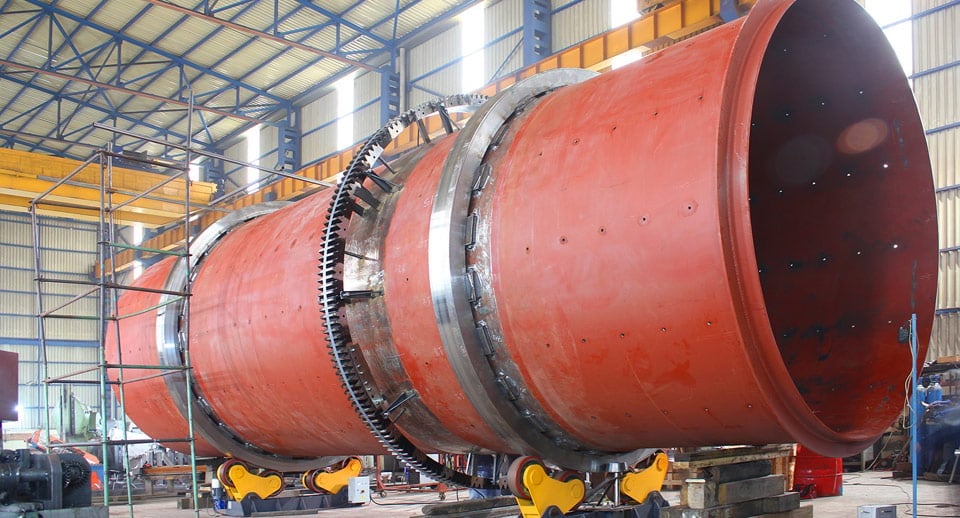
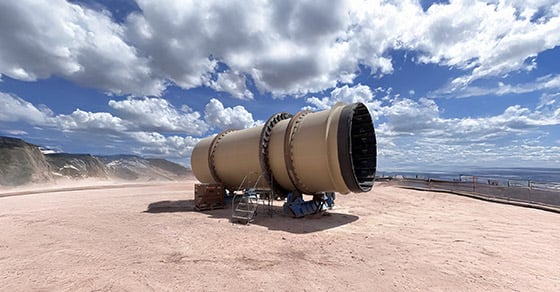
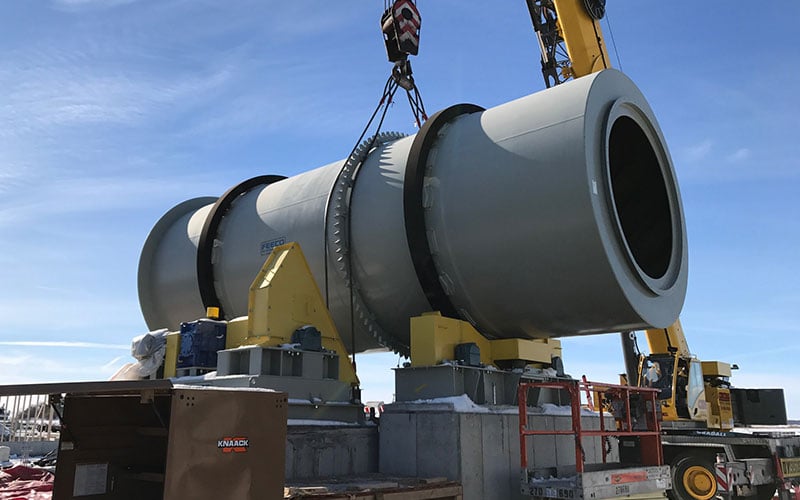
FEECO GRANULATION DRUMS
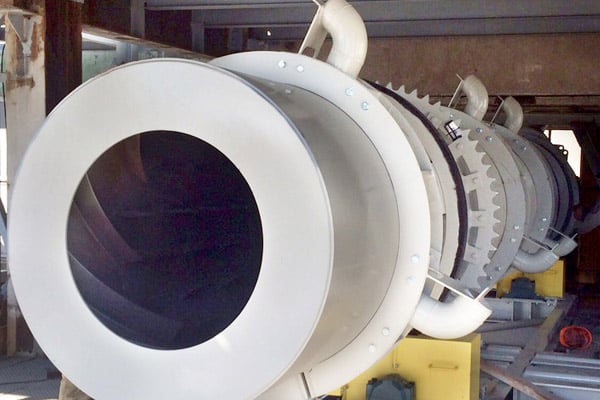
With an extensive background in fertilizer production, FEECO has built a reputation for quality, efficiency, and longevity in granulation drums.
We offer various configurations to suit your fertilizer processing needs, whether organic, or inorganic.
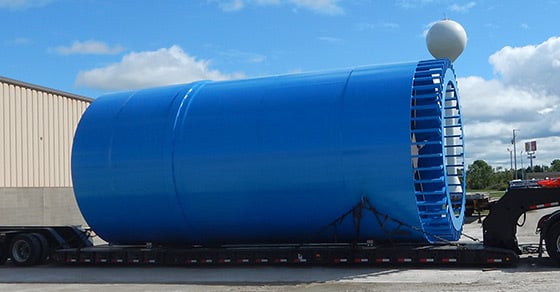
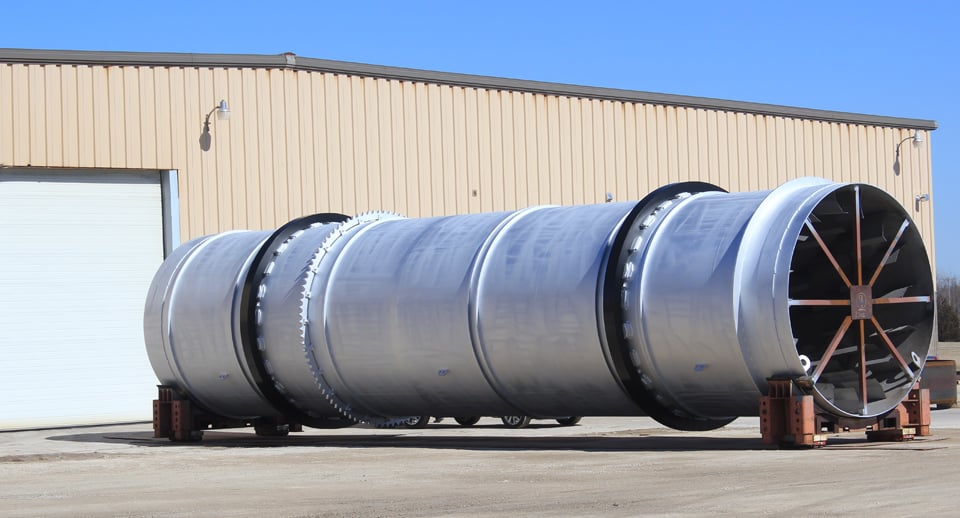
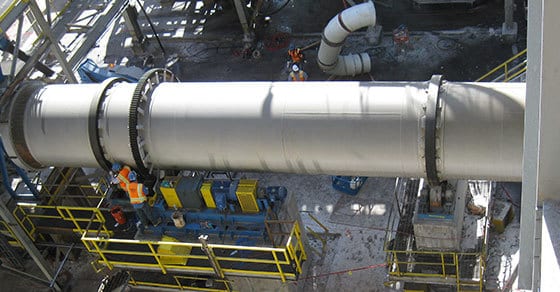
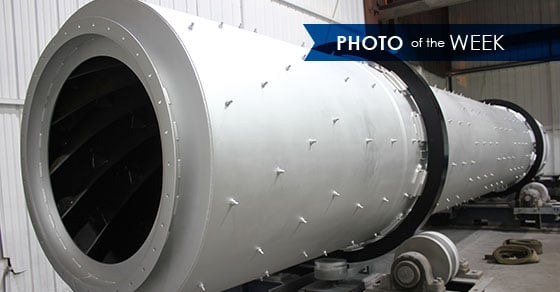
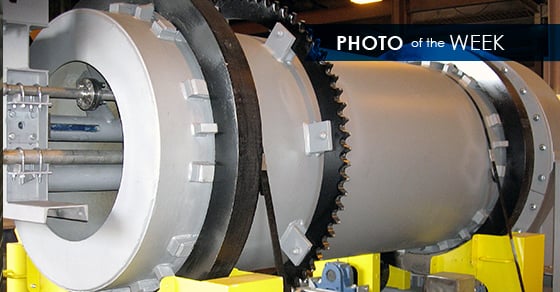
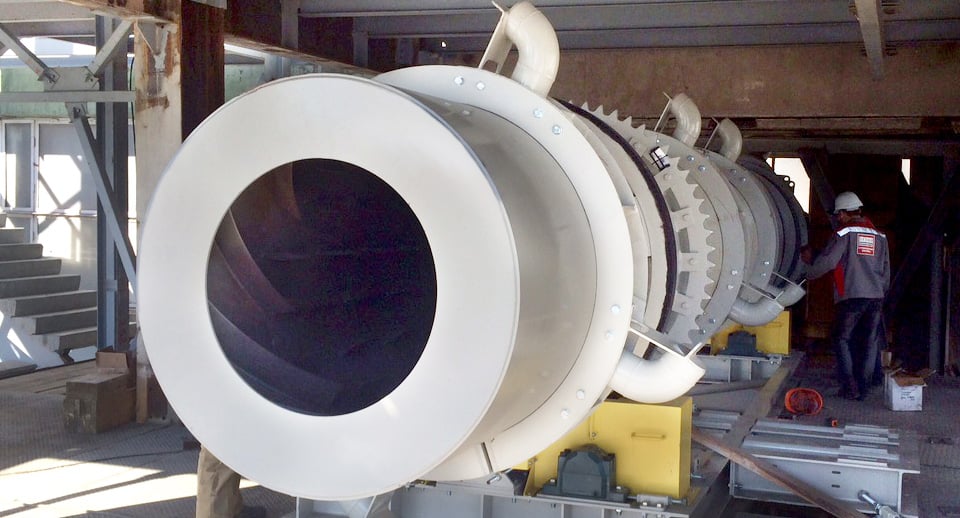
Granulation drums work by tumbling material in a rotating drum, typically in the presence of a binder. The binder causes the fines to become tacky and allows them to pick up additional fines, forming agglomerates in a process referred to as coalescence. The tumbling action helps to round the agglomerates and create a homogeneous mixture.
Granulation drums are frequently used in fertilizer production, when agglomeration must be combined with a chemical reaction.

FEECO is capable of meeting the requirements necessary for CE marking equipment.

All FEECO equipment and process systems can be outfitted with the latest in automation controls from Rockwell Automation. The unique combination of proprietary Rockwell Automation controls and software, combined with our extensive experience in process design and enhancements with hundreds of materials provides an unparalleled experience for customers seeking innovative process solutions and equipment. Learn more >>
FEATURES
- Heavy-duty design and construction
- Internal designs to maximize efficiency
- Various material options
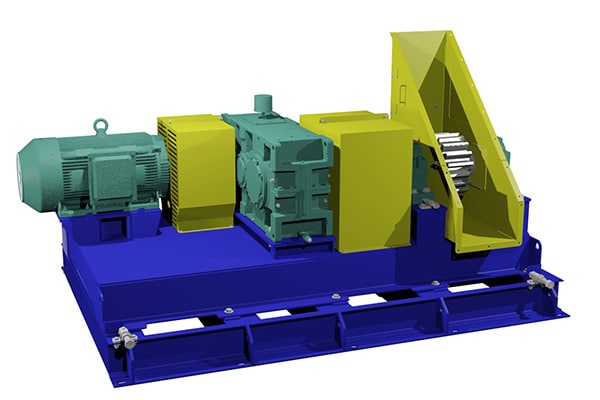
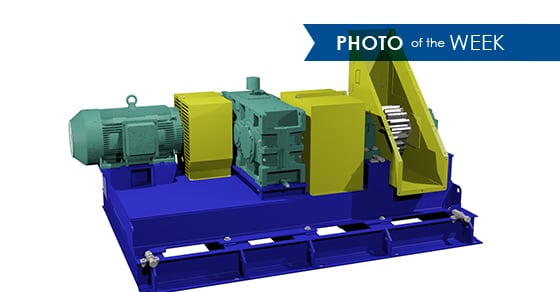
- Various Drive Assemblies Available
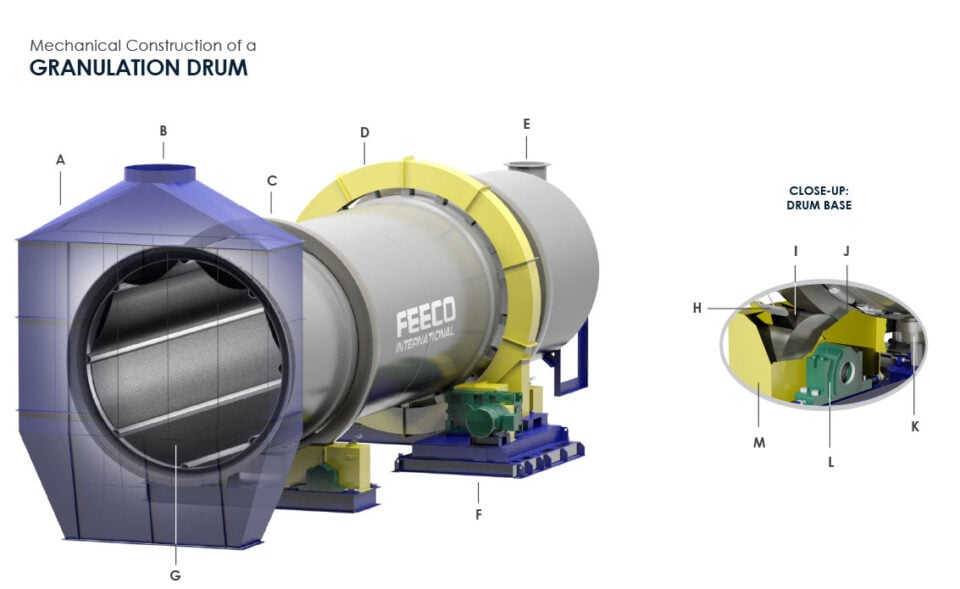
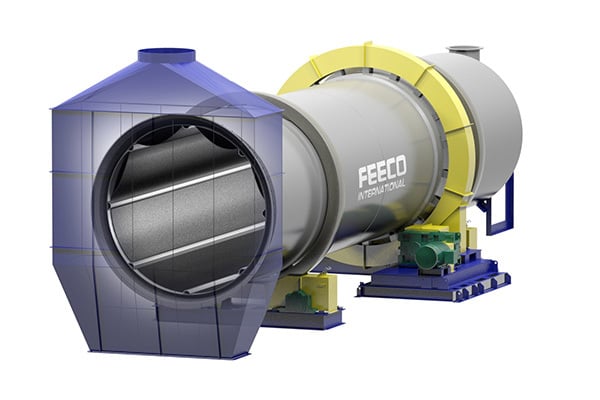
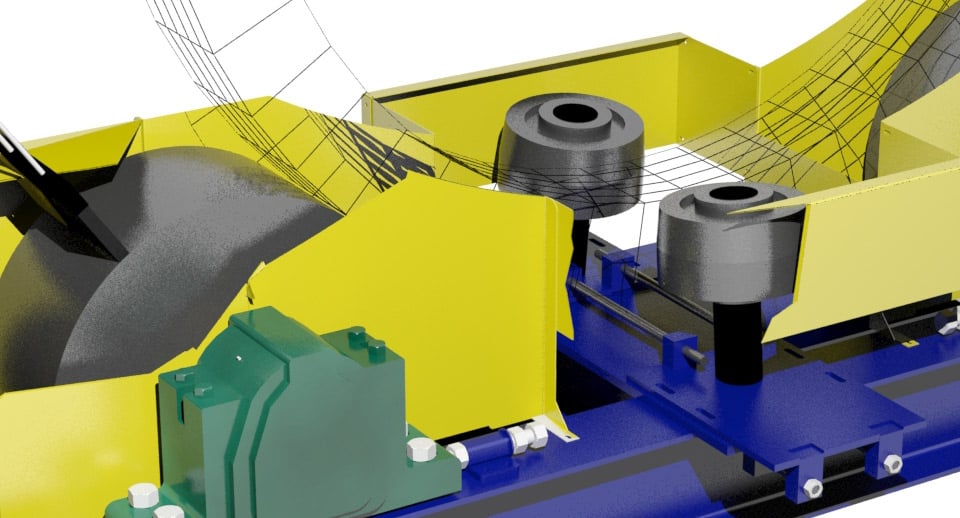
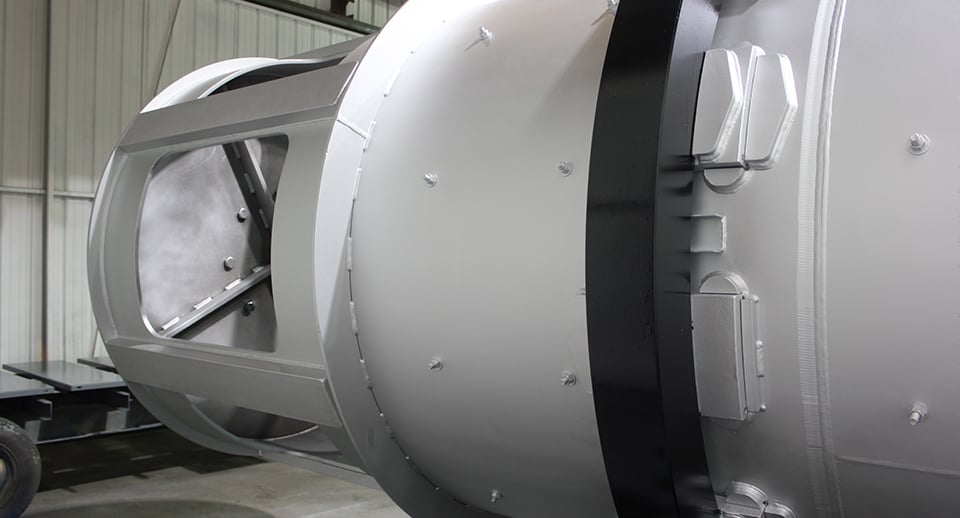
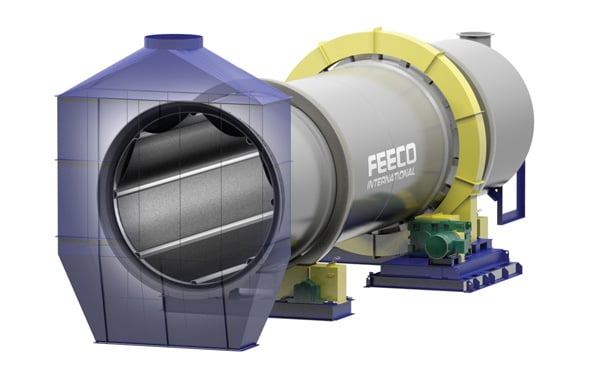
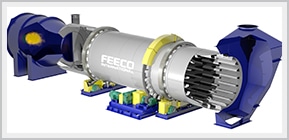
A Discharge Breeching
B Outlet to Exhaust Handling System
C Riding Ring/Tire
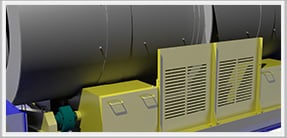
D Ring Gear Guard
E Raw Material Feed Chute
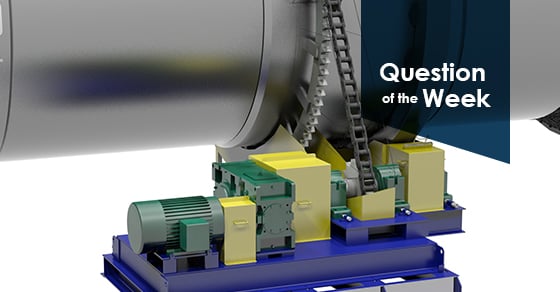
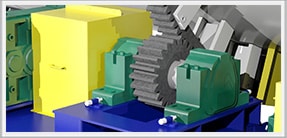
F Drive Assembly
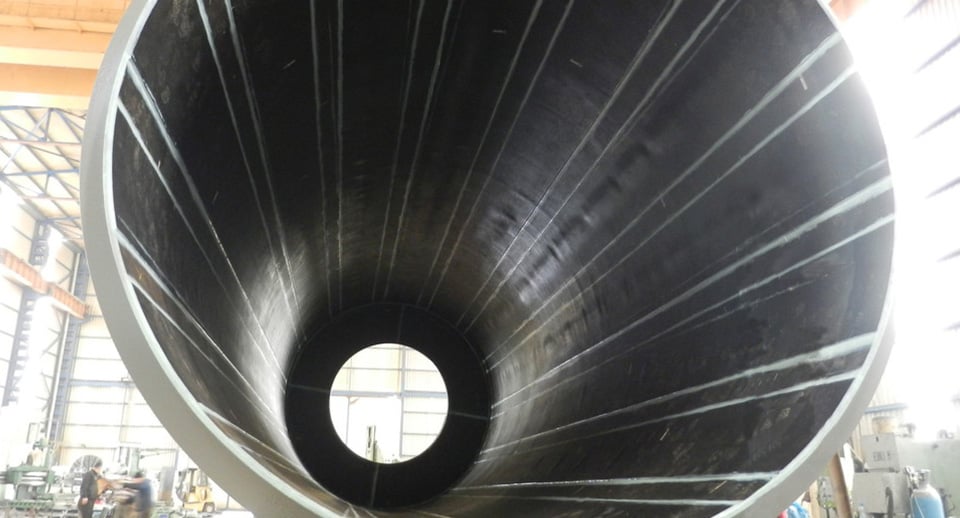
G Liner
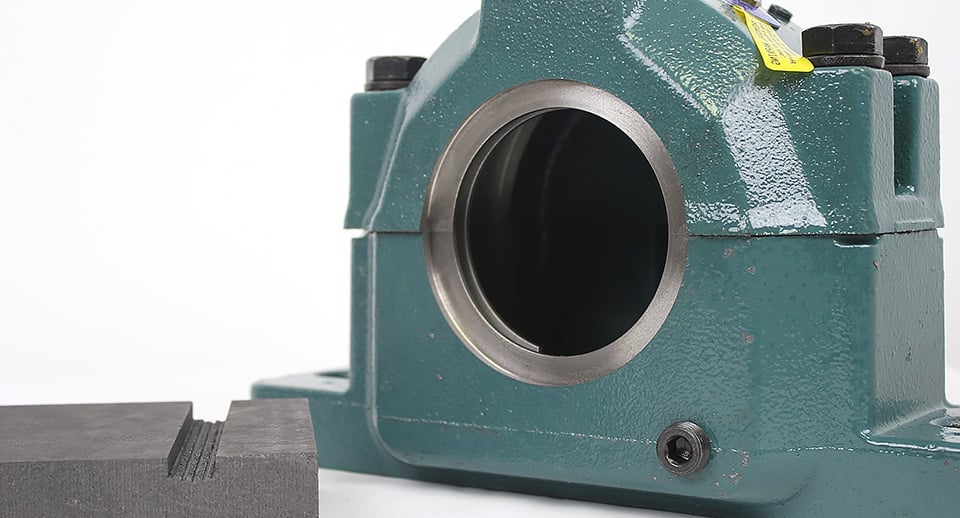
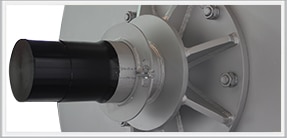
H Graphite Block Lubrication Assembly
I Trunnion Wheel
J Riding Ring
K Thrust Roller Assembly
L Pillow Block Bearing
M Trunnion Guard
APPLICATIONS
- DAP (di-ammonium phosphate) and MAP (mono-ammonium phosphate)
- NPK Grades
- Ammonium Sulfate
- TSP (triple super phosphate) and SSP (single super phosphate)
- Urea
RESOURCES
GRANULATION DRUM ARTICLES
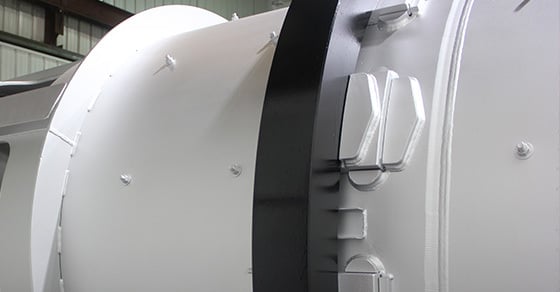
Floating Tire Assembly Improves Rotary Drum Operation and Longevity
The tire mounting assembly on a rotary drum, whether a dryer, cooler, kiln, or otherwise, goes far beyond a mechanical interface; …
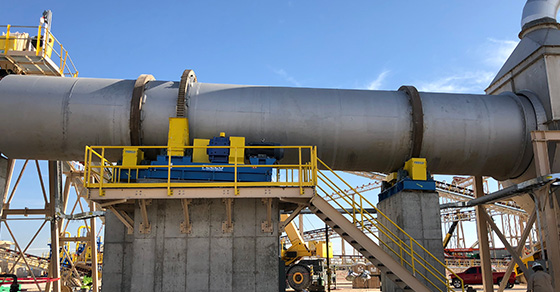
Evaluating Rotary Drum Shell Repair Options
Rotary drum shells form the basis of applications ranging from dryers, kilns, and coolers, to agglomerators, coating drums, and more. As …
BROCHURES
Granular Fertilizer Systems Brochure
Innovation Center Brochure





Granulation Drum Frequently Asked Questions (FAQs)
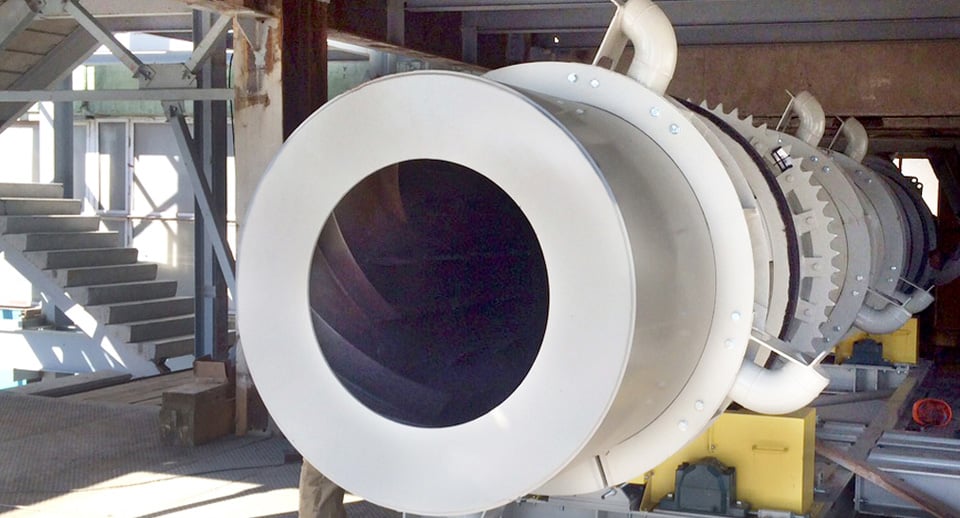
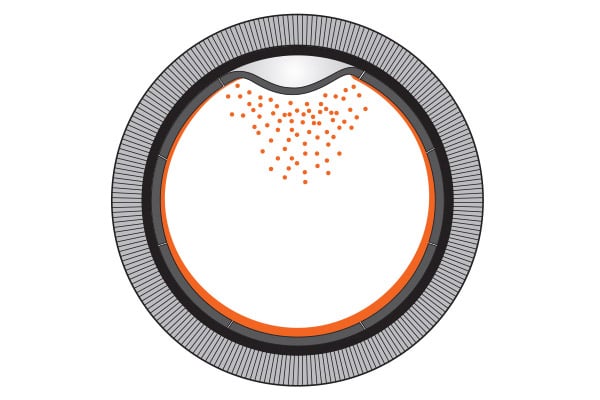
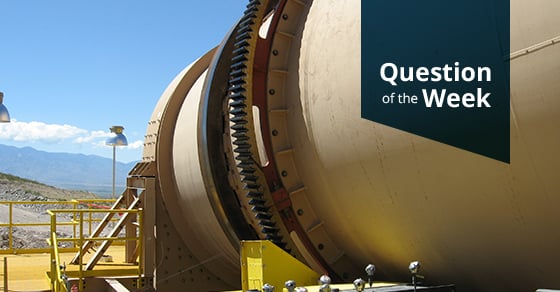
A granulation drum works by tumbling material in the presence of a liquid binder to encourage granule formation and growth. Feed material and binder are constantly fed through the rotating drum. The rolling action, combined with the stickiness from the binder, causes fines to collect together into particles. These particles continue to pick up additional fines and binder as they tumble in the bed, causing them to densify and pick up additional layers in a phenomenon known as coalescence. Tumbling flights can be incorporated into the unit to increase agitation of the material bed.
This way of forming agglomerates is a type of agitation agglomeration also known as wet granulation, balling, or pelletizing.
Granulation drums can process any bulk solid in the form of a dry, fine powder. This flexibility lends well to a host of industries, processing materials ranging from specialty chemicals and fertilizers, to minerals and ores, and everything in between.
In some cases, the feedstock may require pretreatment in the form of crushing, grinding, or drying to be a suitable feed for the granulator and produce the characteristics desired in the end product.
The advantages of a granulation drum over a disc pelletizer include higher throughput and a “closed” system, meaning that granulation occurs inside a contained environment, so fugitive material is limited. Learn more about choosing between a drum granulator and a disc pelletizer.
Granulation drums can accommodate capacities ranging from 500 lb/hr – 3500 TPH+.
Granulation drums are a type of continuous equipment, though they may function as a batch device in some R&D environments, such as the FEECO Innovation Center.
The retention time in a granulation drum can range anywhere between 30 seconds and 60 minutes. Retention time is one process parameter used to control the characteristics and quality of the material exiting the drum, so it can vary significantly depending on the process and product goals.
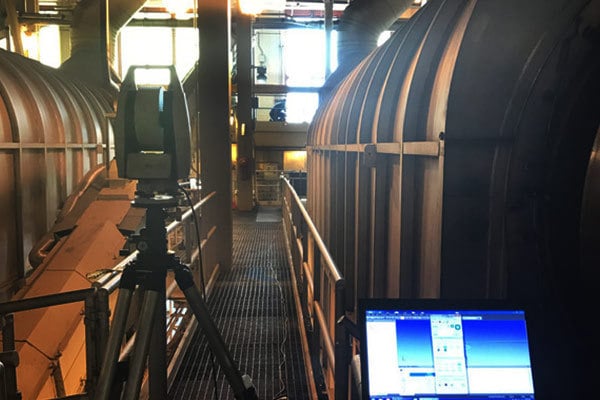
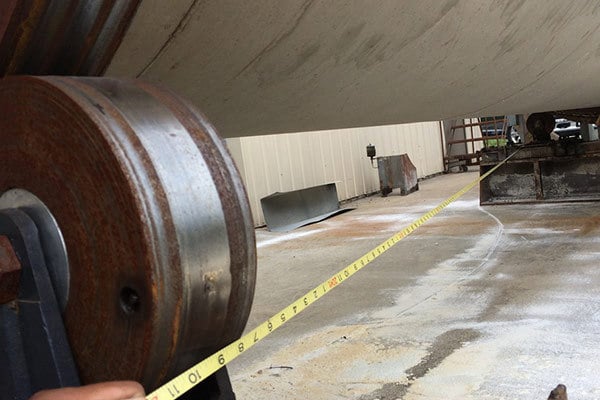
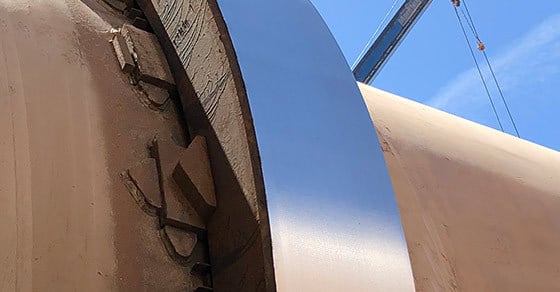
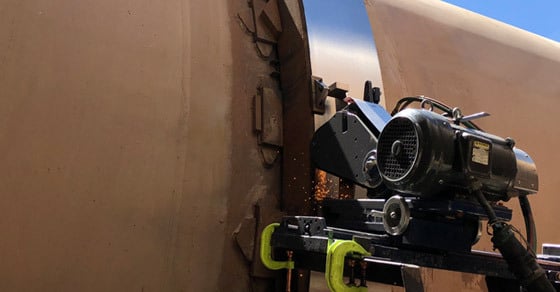
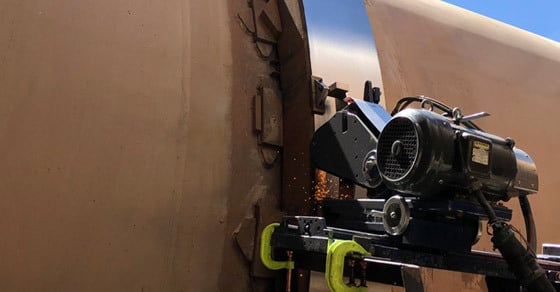
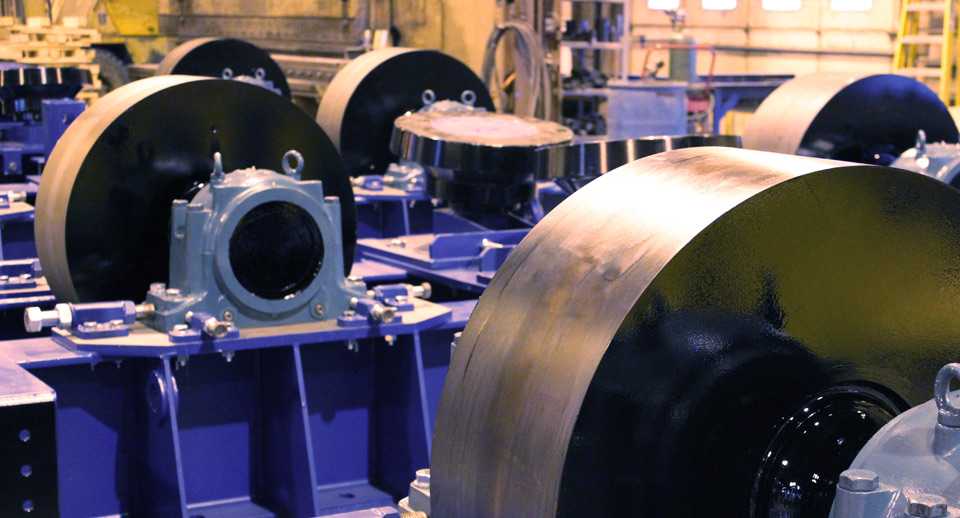
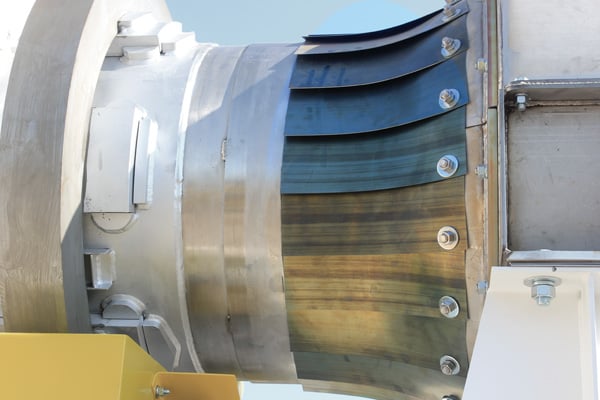
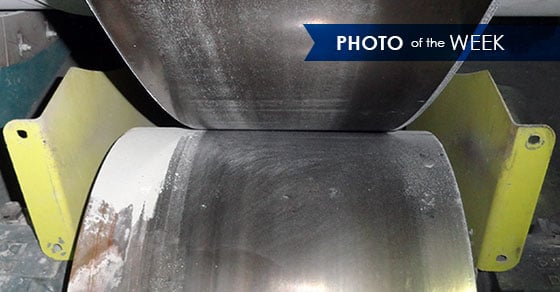
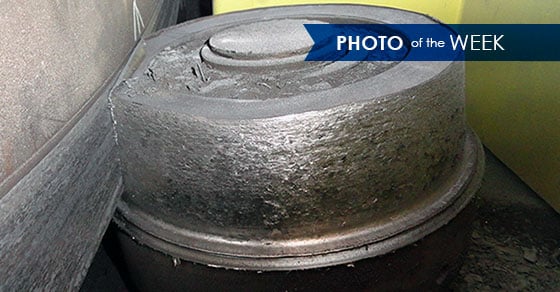
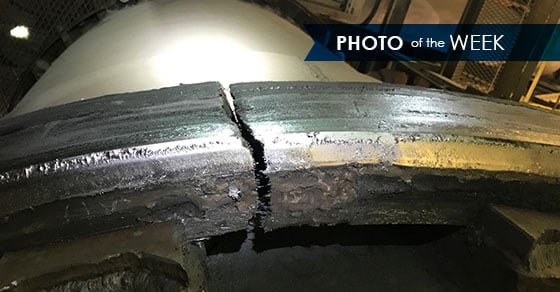
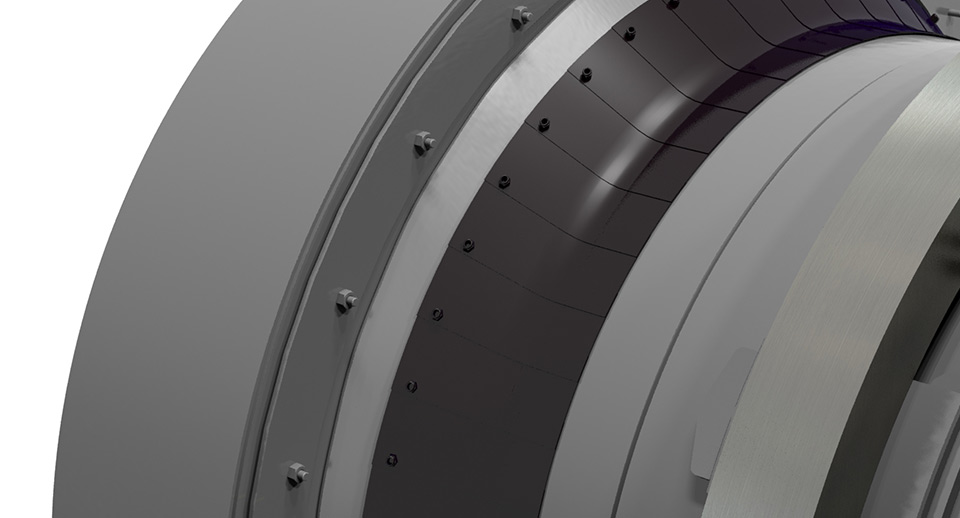
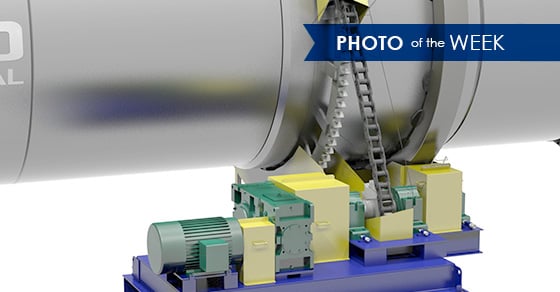
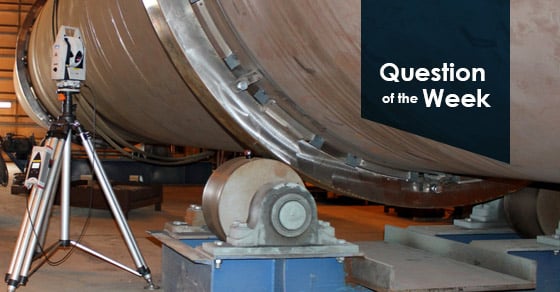
The typical wear items on a granulation drum include the liner (where applicable), tumbling flights (where applicable), and potentially trunnion wheels, tires, and thrust rollers, depending on operating conditions and whether proper alignment is maintained. When a drum falls out of alignment, it puts added stress on all components, encouraging undue wear.
Yes. Since the granulation process relies on a liquid binder to form and layer granules, the product exiting the granulation drum is wet and must be dried unless it is moving immediately to a downstream process that does not require drying (such as in the case of iron ore balling, where pellets go to a grate kiln).
Drying is typically carried out in a rotary dryer, which further rounds and “polishes” the granules as a result of the tumbling action that occurs as the drum rotates.
Whether a granulation drum is the right fit for a given application depends on specific process and product goals, such as capacity, level of control over particle characteristics, product parameters, and more.
When it is not clear if a granulation drum will be able to meet the project objectives, testing can be carried out in the FEECO Innovation Center to evaluate the process and identify the most suitable equipment configuration.
Yes. Granulation drums require a feeding and off-take system to convey material into and away from the drum. They also typically require screens and a recycle circuit to recover over- and under-size material (recycle) back into the process
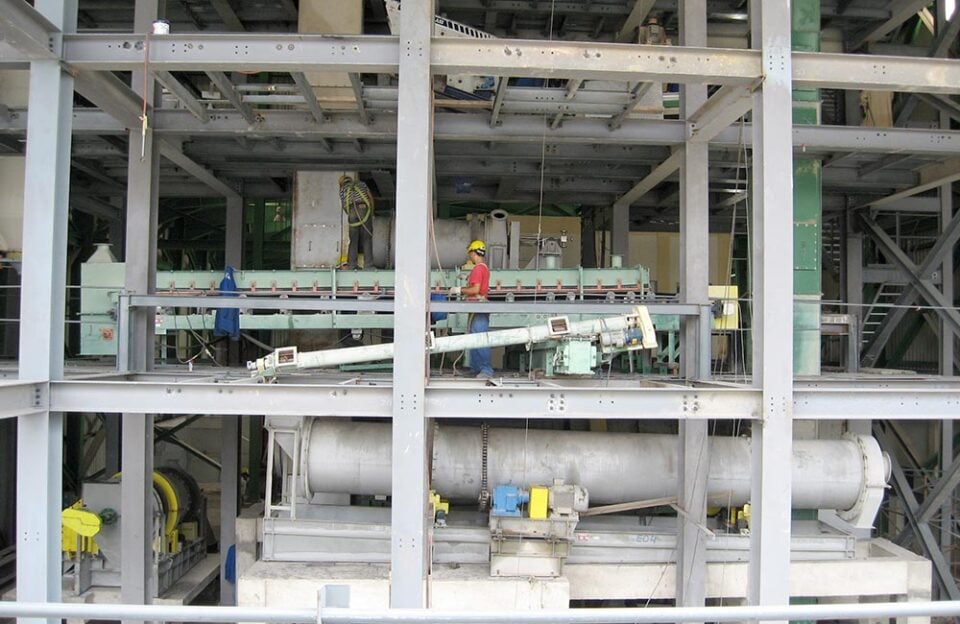
Granulation drums are also typically followed by a rotary dryer, and in some cases, may be preceded by a mixer for providing a homogeneous feedstock to the unit.
The granulation drum design process typically begins with testing to assess the feasibility of granulating the intended material and to gather key process data such as percent fill, retention time, drum speed and slope, and spray system design.
Once the data has been gathered, engineers size the drum and incorporate any necessary features or modifications needed to produce the desired product at the intended capacity.
A variety of data points are needed to design a granulation drum. Along with a process description, the follow data is typically required:
Raw Feed Data
- Material and chemical composition
- Moisture content
- Temperature
- Bulk density and true density
- Material consistency (sticky, plastic, etc.)
- Material qualities (abrasive, heat sensitive, hazardous, etc.)
Product Data
- Desired particle size distribution (PSD – minimum and maximum)
- Expected bulk density
- Binder use and restrictions
Process/Equipment Data
- Preferred materials of construction
- Electrical controls (volts, hertz, phases)
- Temperature of ambient air in processing environemnt – minimum and maximum
- Humidity of ambient air in processing environment – minimum and maximum
- Elevation of plant
- Retention time (if known)
Depending on how much is known about the material, much of this data is often gathered through testing.
Yes. Granulation drums can be fitted with programmable logic controllers (PLCs) and motor control centers (MCCs) for automation, adjusting the process from a human-machine interface (HMI), and collecting and trending process data.
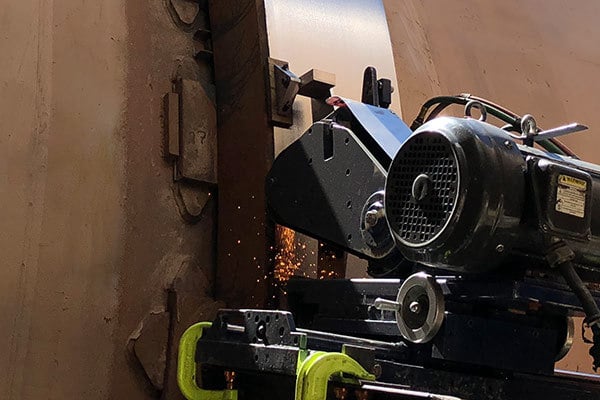
Yes. Granulation drums offer ample opportunity for customization. FEECO tailors the mechanical components, internals, materials of construction, size, and more to optimize how the unit works with the material to produce the desired results efficiently.
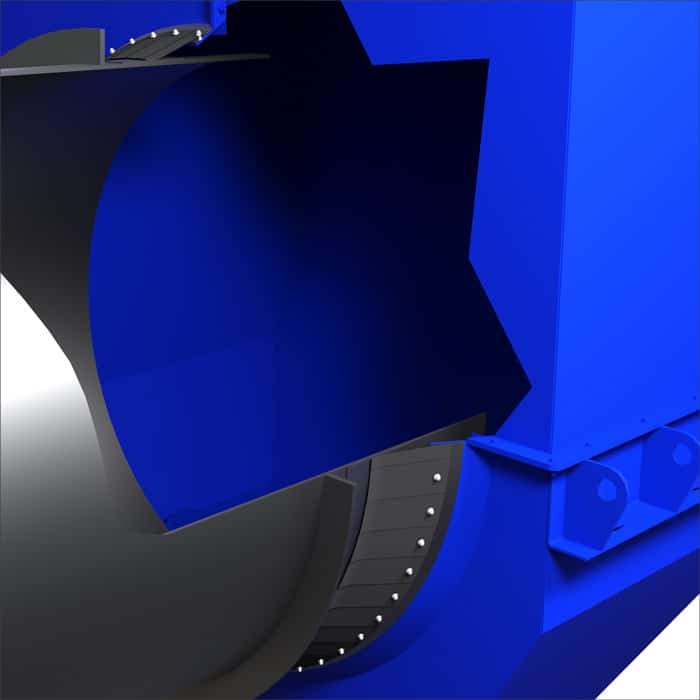
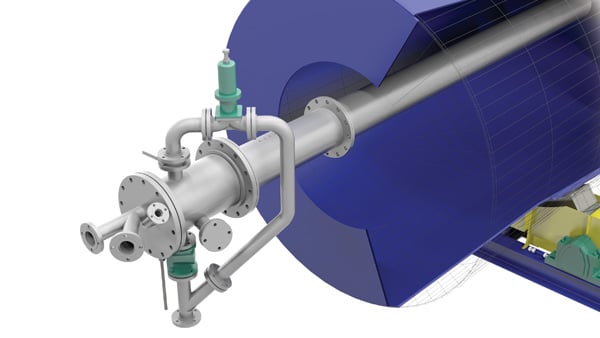
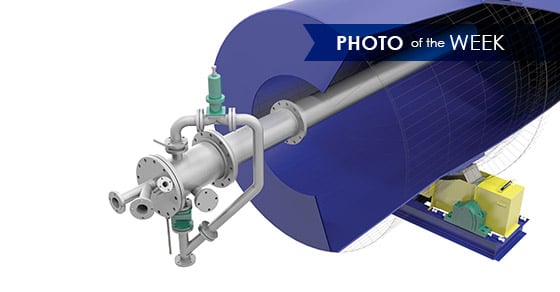
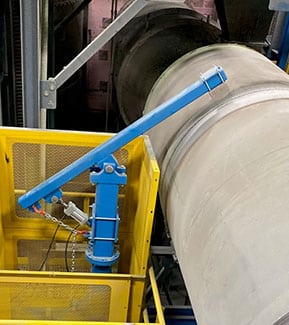
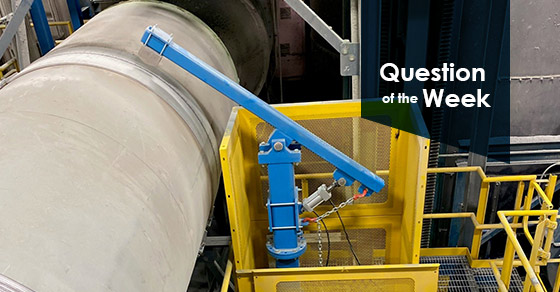
A variety of add-ons and customizations are available as well, including knockers, liners, spray systems, and more.
Yes. While some processes don’t require a recycle circuit, the addition of one is always recommended, as it helps to make the process more efficient.
In other cases, a recycle circuit is necessary for the operation to function on a continuous basis, relying on recycled fines to bring down the moisture content of the feedstock entering the process (a processing technique known as back mixing).