
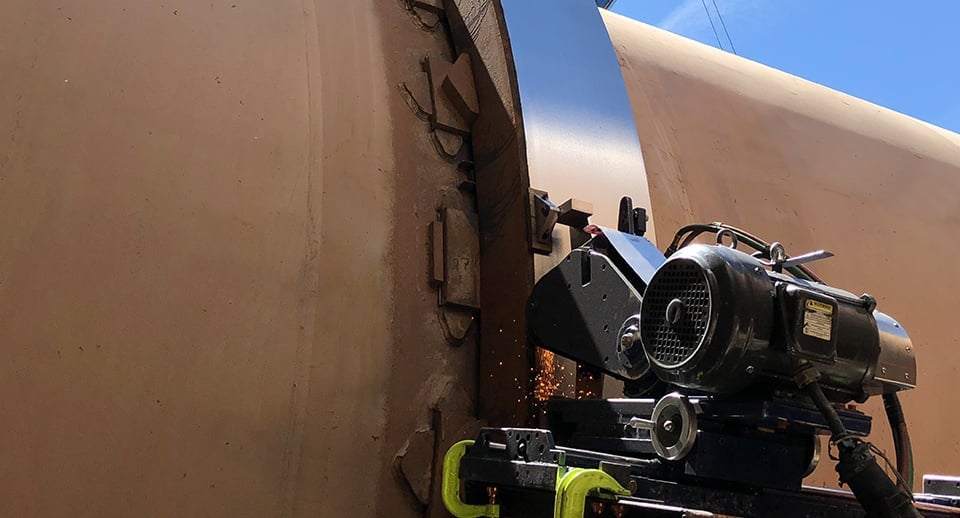
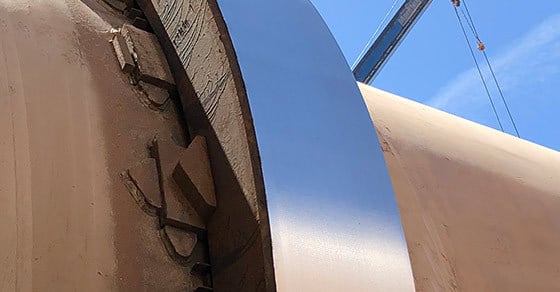
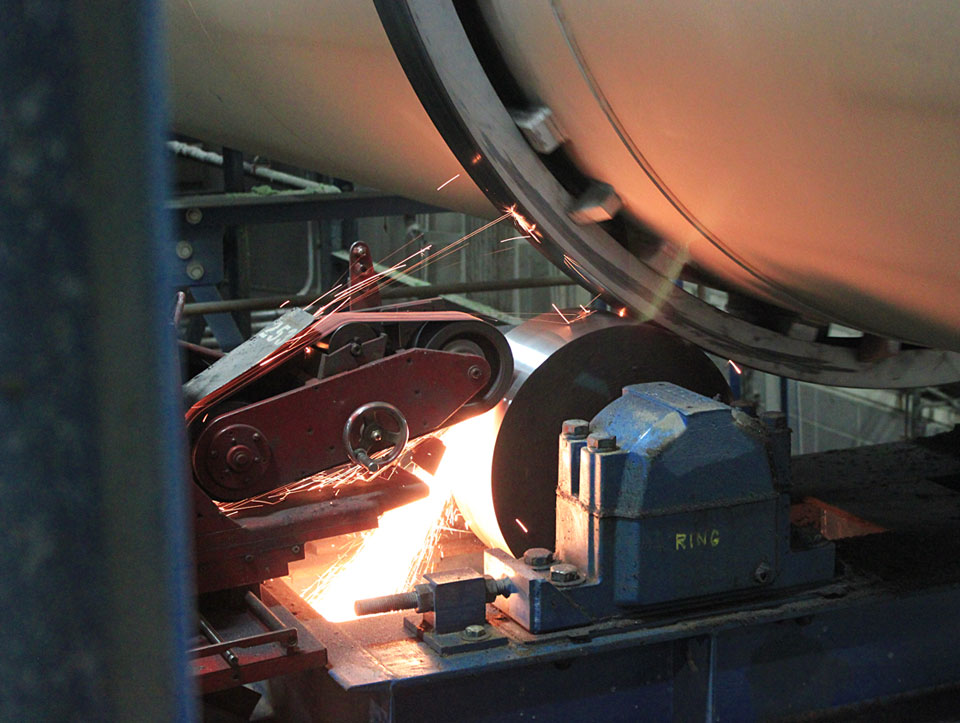
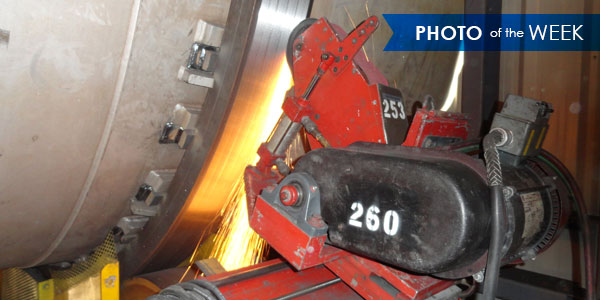
As rotary drum experts since 1951, the FEECO Customer Service Team offers the industry’s most reputable tire and trunnion wheel grinding services to recondition the load-bearing surfaces of your rotary drum.
WHY TIRE & TRUNNION GRINDING IS IMPORTANT
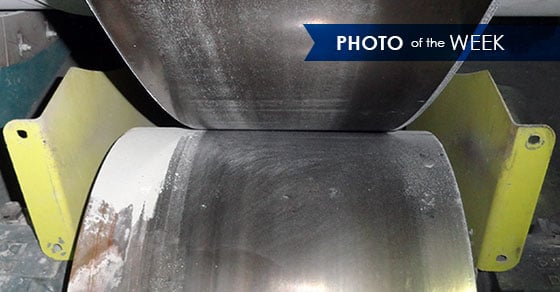
Tire and trunnion grinding is an integral component in any long-term maintenance plan for your rotary dryer, cooler, kiln, or otherwise, helping to ensure that your rotary drum is running efficiently, as well as prolonging equipment service life.
SIGNS THAT TIRE & TRUNNION GRINDING IS NEEDED
While load-bearing surfaces become worn through regular use, reconditioning them can return them to like-new condition. Problems that begin at the drum base must be addressed as quickly as possible; while they may seem insignificant, if left untreated, they can quickly make their way to the rest of the drum, causing significant damage, and in some cases, even premature equipment failure.
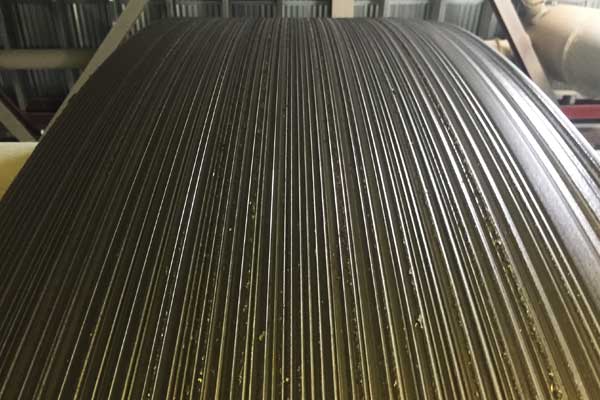
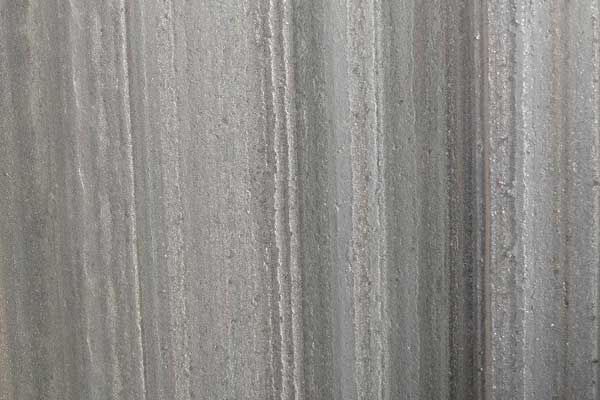
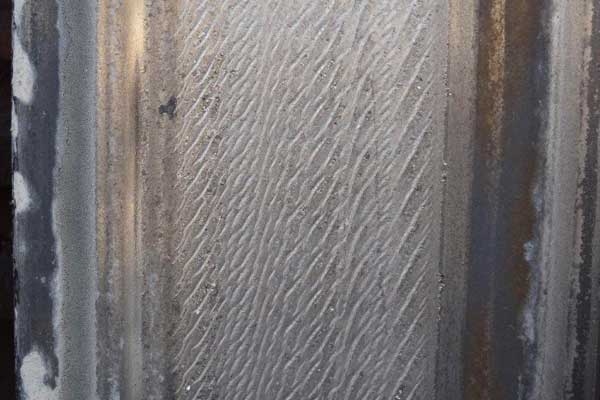
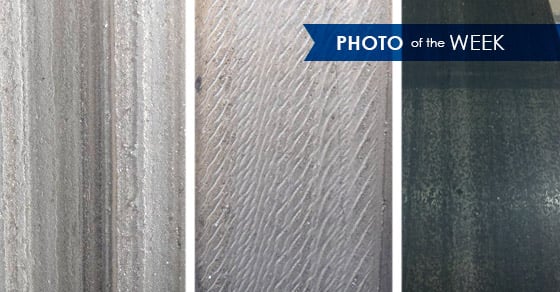
Routinely inspecting tires and trunnion wheels can go a long way in preventing any potential problems from developing into more serious issues. The following signs exhibited on any of the load-bearing surfaces are indications that grinding is likely needed.
- Chattering or vibrational noises (caused by uneven wear)
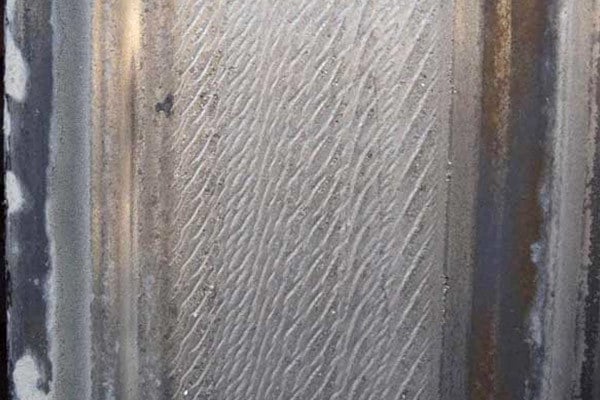
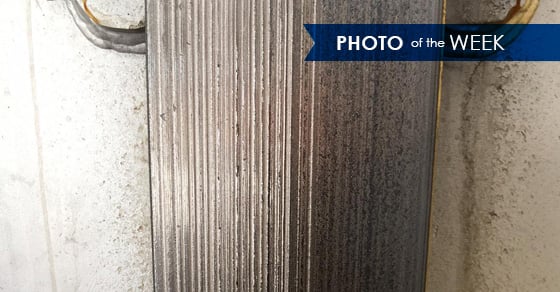
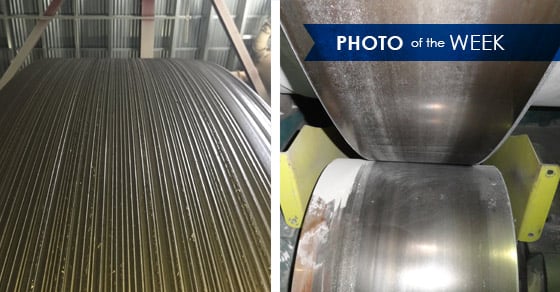
- Washboarding
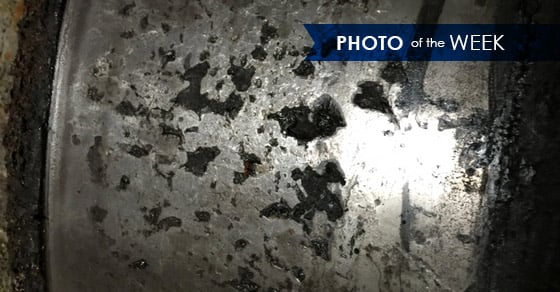
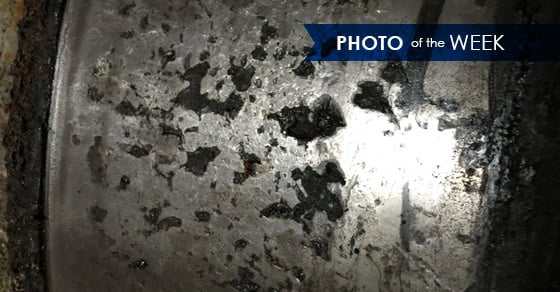
- Pitting (an orange peel-like appearance)
- Spalling
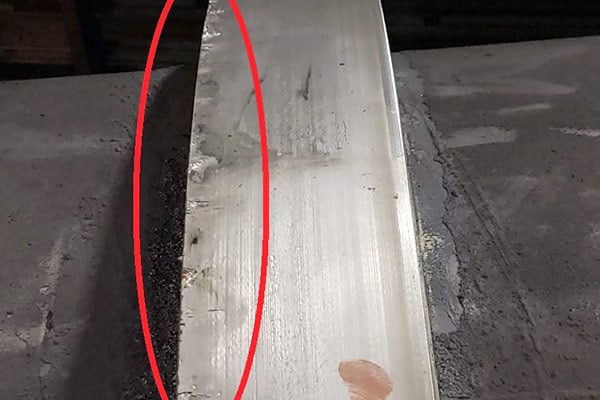
- Rolled-Over Edges
- Timing Marks
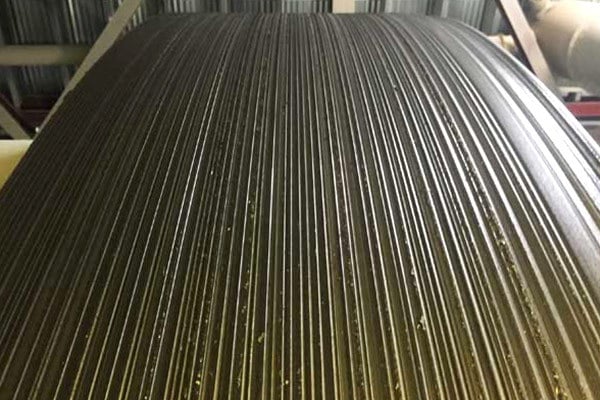
- Ridges
- Taper Wear
For those uncertain of whether or not grinding is necessary, FEECO Customer Service Engineers are available to evaluate the mechanical condition of your unit(s) and assess the need for grinding.
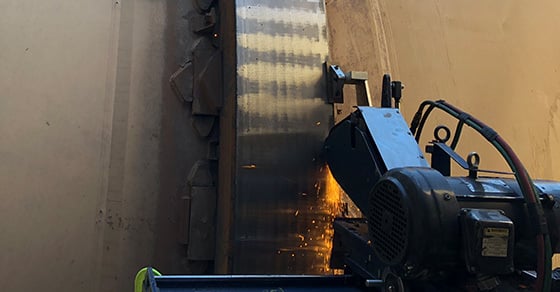
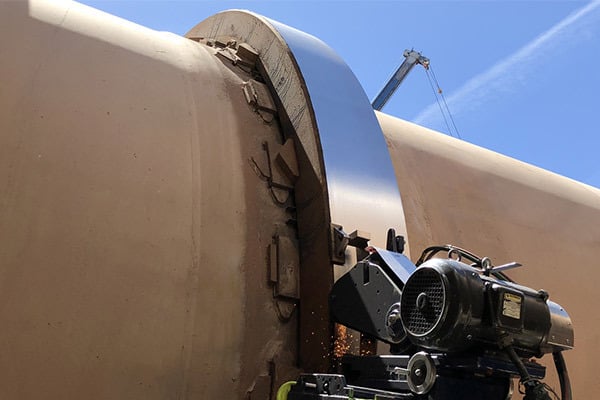
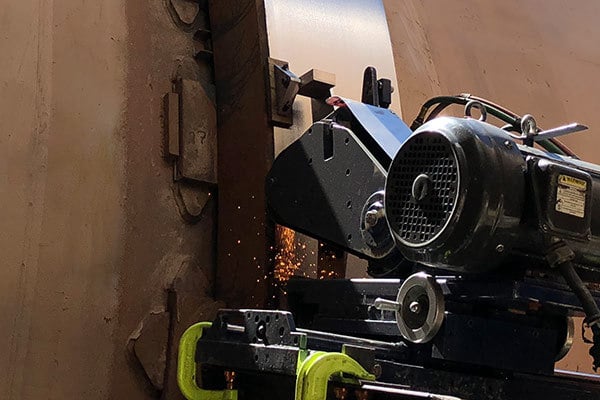
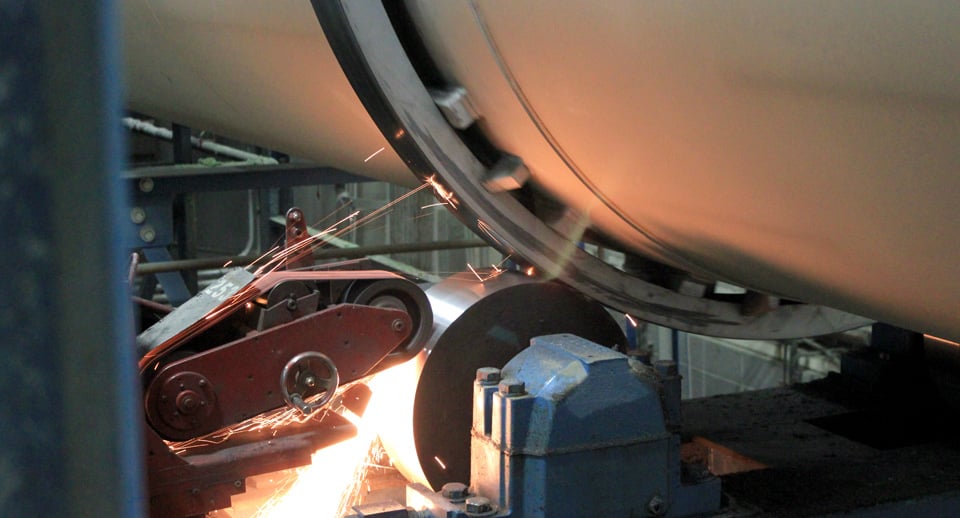
The Tire Grinding Process
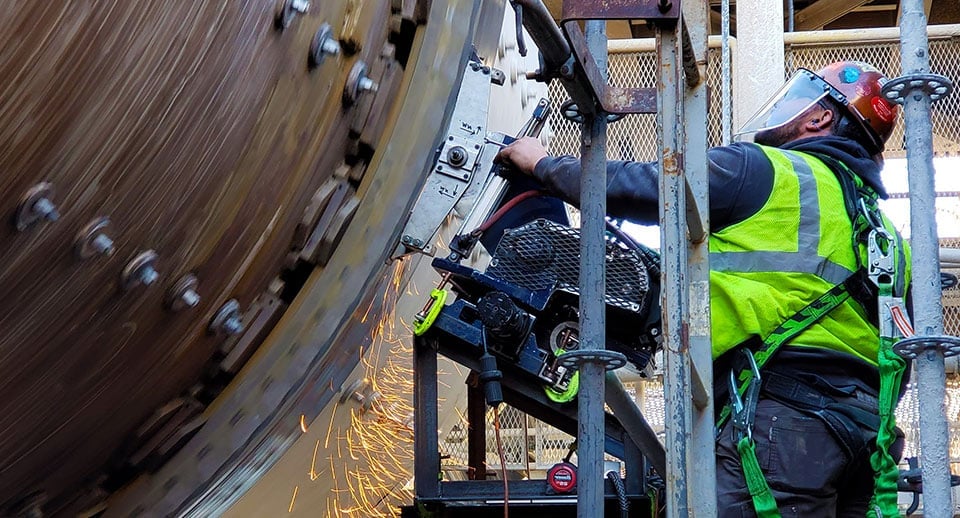
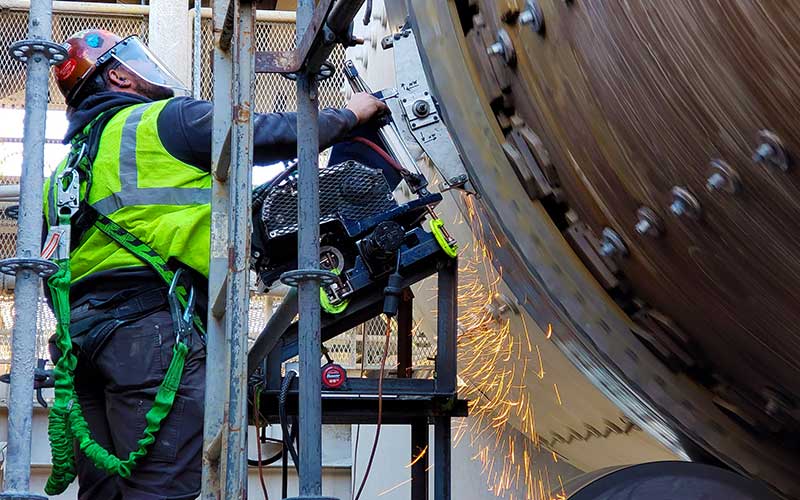
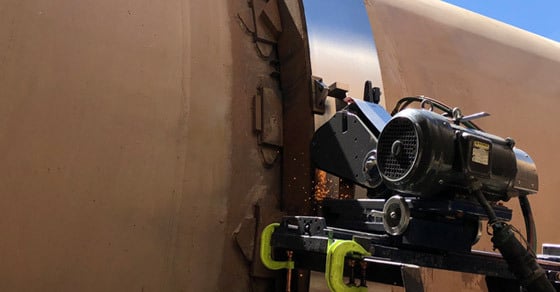
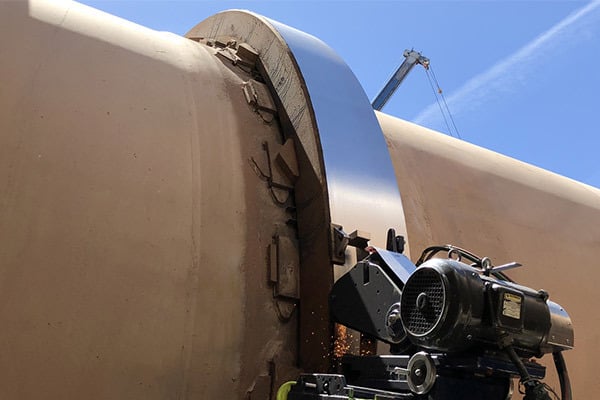
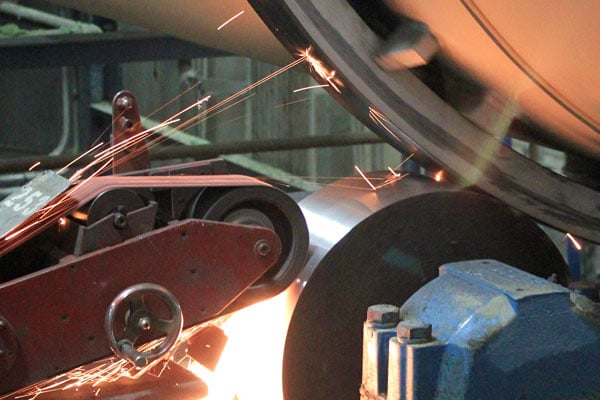
The tire grinding process varies depending on several factors, including the size of the drum, tire and trunnion face widths and diameters, drum accessibility, extent of wear, and more.
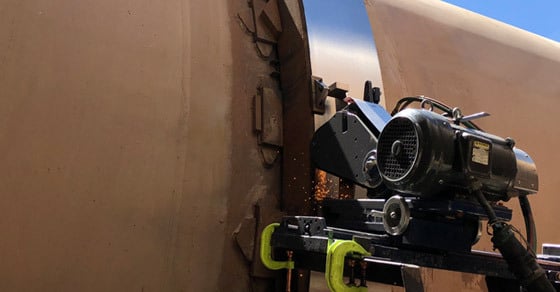
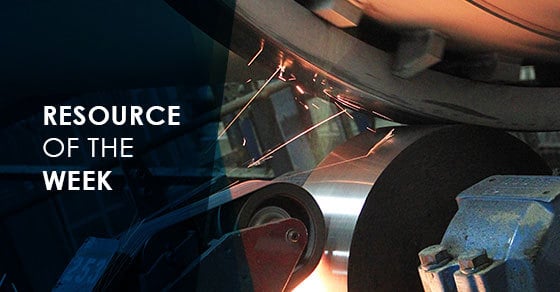
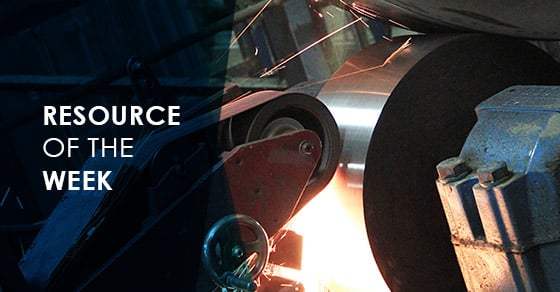
The process, which utilizes a specialized machine to grind away surface wear and reveal the like-new surface below, can take anywhere from a few hours to a few days. Depending on the specific setting and requirements, the drum may remain in operation or may require a shutdown.
In many cases, the drum’s rotational speed may need to be reduced to accommodate grinding. This may be carried out through the use of a variable frequency drive (VFD) or other means of slowing the drum.
Tire & Trunnion Replacement
In the event that wear begins to significantly diminish the original diameter of trunnions or thickness of tires, replacement of the worn component(s) will be required. Reducing the original diameter or thickness beyond what is acceptable changes the base conditions and slope of the unit, which can impact process conditions.
Requirements for Tire & Trunnion Grinding
The FEECO Customer Service Team aims to make the grinding process as quick and seamless as possible. To ensure we are able to carry out the job quickly and efficiently, we require the following in preparation of a grinding visit:
- 460 volt, 30 amp, 3 phase power, electrician and hardware for connections.
- 120 volt, 20 amp power within 50’ of drum.
- 40 feet of 2” x 2″ x 1/4” angle iron.
- 20 feet of 1″ x 1″ x 1/8″ angle iron.
- Crane or lifting capabilities for up to 2000 lbs.
- Adequate restroom facilities and telephone for supervisor company calls.
- Removal of any supports, brackets, guards, etc. which prohibit the placement of the grinding equipment.
- Adequate lighting and ventilation as needed.
- A clean, safe, and accessible work environment at the job site.
- Solid surface free from vibrations and dust-free environment for laser alignment system
- Shim material by customer as necessary.
Realignment After Grinding
Because tire and trunnion wear is often a result of misalignment, and because grinding can change the base conditions of the drum, FEECO recommends all grinding jobs are followed by a realignment of the unit during the same visit.
Realignment after grinding ensures that the drum is structurally aligned to minimize loads on all load-bearing surfaces, maximizing service life of mechanical and structural components. It also prevents a misaligned drum from resuming wear on newly reconditioned tires and trunnions.
FEECO offers state-of-the-art laser alignment to quickly and accurately realign trunnion bases after grinding.
Need a Quote?
Contact us today to find out more about getting your load-bearing surfaces reconditioned. We require the following information to prepare an estimate:
- Rotary dryer diameter and length
- Tire face width and diameter
- Trunnion wheels diameter and face width (outside diameter for grinding must be 48” minimum)
- Quantity of tires (or number of concrete support piers)
- Pictures showing contact between the face of the tire and trunnion.
- Pictures showing the drum and available work area around the drum
- Does this drum have a VFD or just on/off switch?
For additional information, see Tire & Trunnion Wheel Grinding Frequently Asked Questions (FAQs).
RESOURCES
TIRE & TRUNNION GRINDING ARTICLES
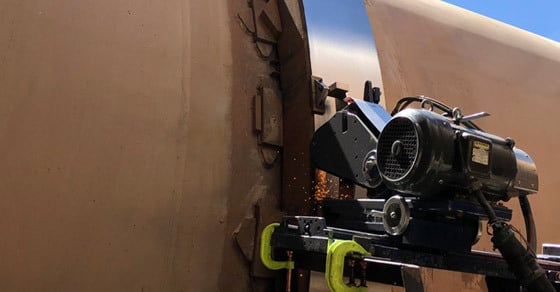
Tire and Trunnion Grinding: Critical Rotary Drum Maintenance
One of the most essential rotary drum maintenance procedures in prolonging service life is tire and trunnion grinding – the practice …
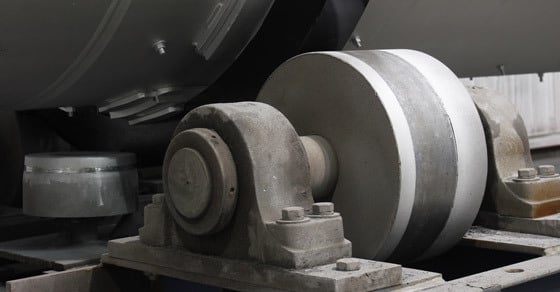
Common Trunnion Roller Issues (and What to Look Out For)
Trunnion rollers, or trunnion wheels, are a crucial component in the foundation of any rotary drum, providing support to the unit …
BROCHURES

Tire Mounting Service Milestones

Remote Services
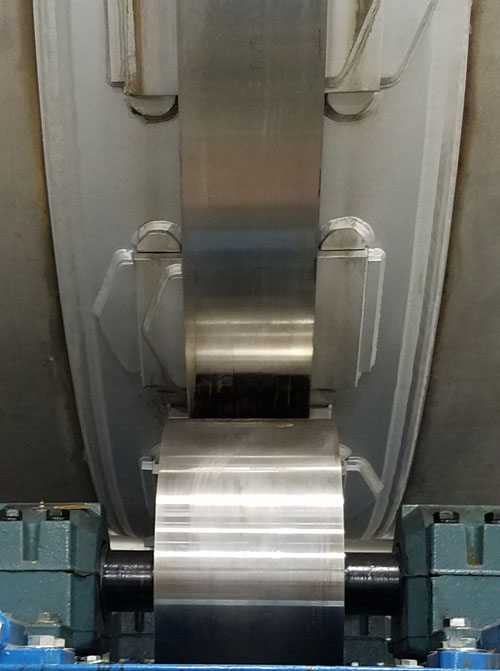



Tire & Trunnion Wheel Frequently Asked Questions (FAQs)
It is important to correct tire and trunnion wear because even wear that seems minor at first continues to escalate, affecting several components if left untreated. Wear can cause misalignment, increased drum vibration amplitude, and improper load distribution, all of which put added stress on the mechanical components of the drum, and the drum itself.
In severe cases, wear may ultimately lead to premature equipment failure.
If tires or trunnion wheels show signs of wear, they should be resurfaced. Because damage to these surfaces has a compounding effect, addressing signs of wear as quickly as possible is recommended to prevent further damage.
The length of time required to complete tire and trunnion wheel grinding varies depending on the severity of wear and the width and diameter of the surface face, as well as at how many points wear is occurring. It also depends on the capabilities of the service provider.
In cases of minor wear, grinding may be completed in as little as a few hours, while in cases of severe wear, grinding could require anywhere up to a few days. Service providers that can’t grind the equipment in place may require the affected components to be removed and shipped to their facility for machining, which could add several weeks to the timeline.
The results from tire and trunnion grinding last for as long as the unit remains mechanically sound. However, if process conditions change, the drum falls out of alignment, or other issues arise, load-bearing surfaces may again become susceptible to wear.
It’s important to note that it is not normal for resurfaced tires and trunnions to begin showing signs of wear soon after being restored; wear after restoration indicates that the underlying issue has not been addressed and must be resolved to prevent any further damage.
Whether the rotary drum must be shut down for grinding depends on the level of wear and the capabilities of the service provider.
Tires and trunnions become worn for many reasons. Common causes of tire and trunnion wear include a misaligned drum, excessive wheel skewing, contact with fugitive material, the use of oil for lubrication, and more.
Tires and trunnions that are worn beyond reconditioning will require replacement, with those exhibiting wear greater than a 10% loss in diameter being beyond repair. When more than 10% of the diameter is lost, the drum operates on a different slope, which affects retention time and other influential process parameters.
Prior to grinding, FEECO will inspect the amount of wear to determine if grinding is the best solution. If replacement is required, the FEECO Customer Service Team can work with the client to provide replacement units.