
DISC PELLETIZERS
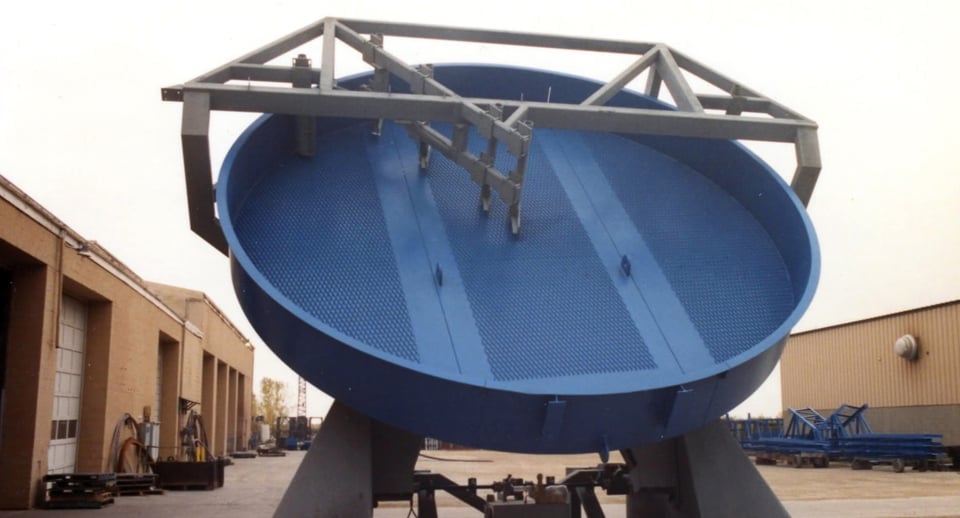
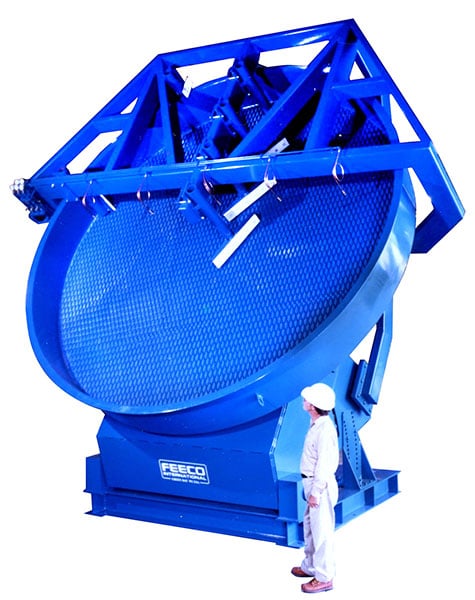
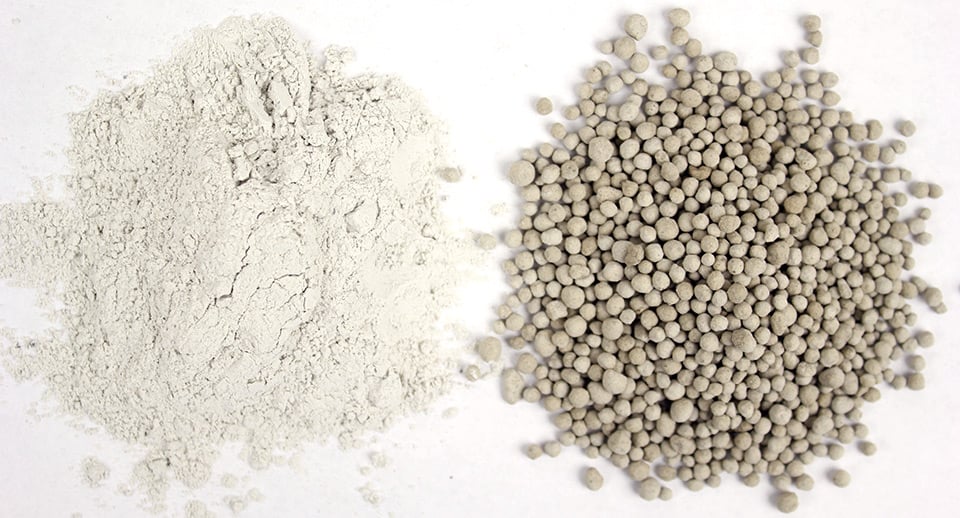
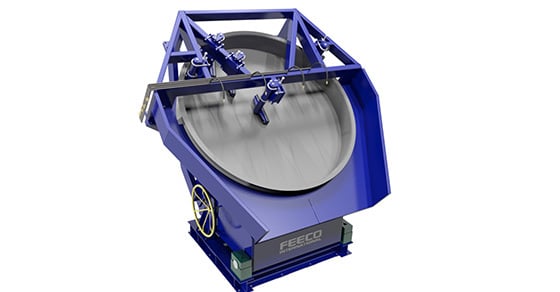
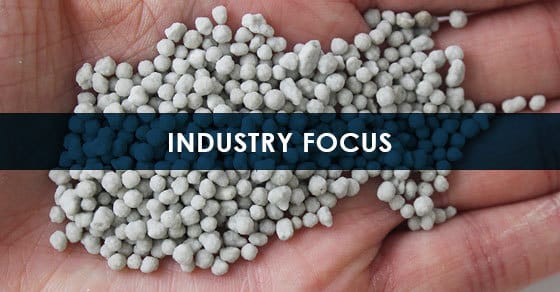
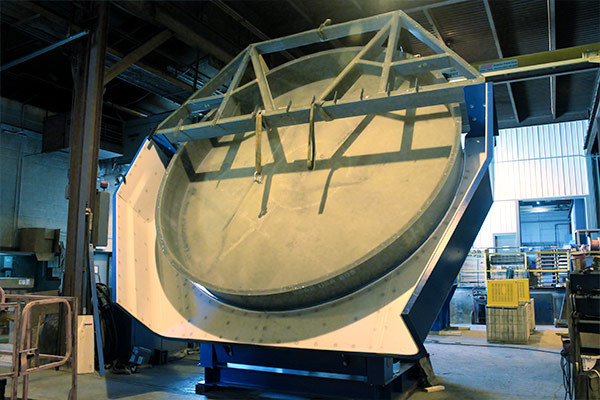
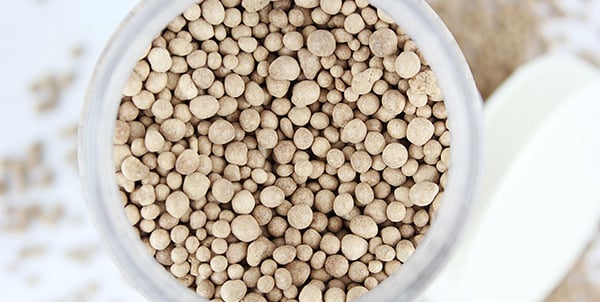
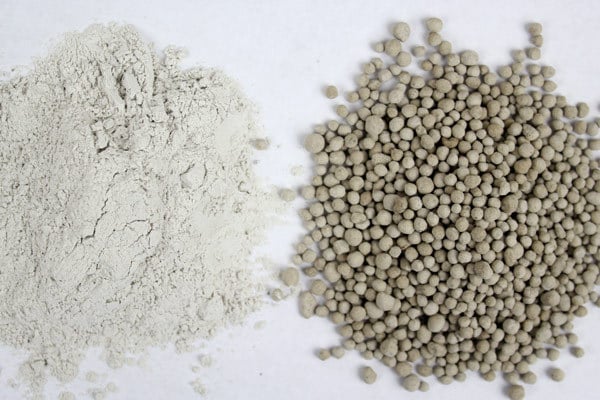
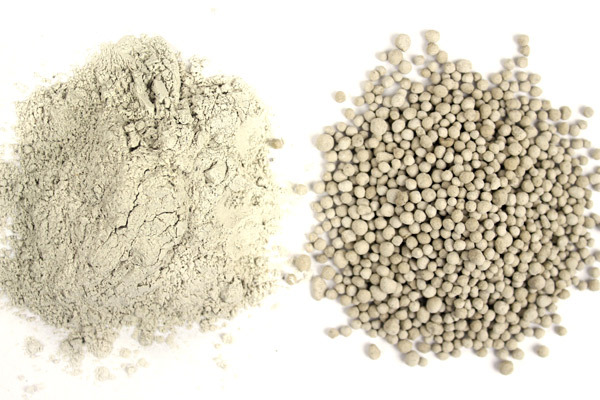
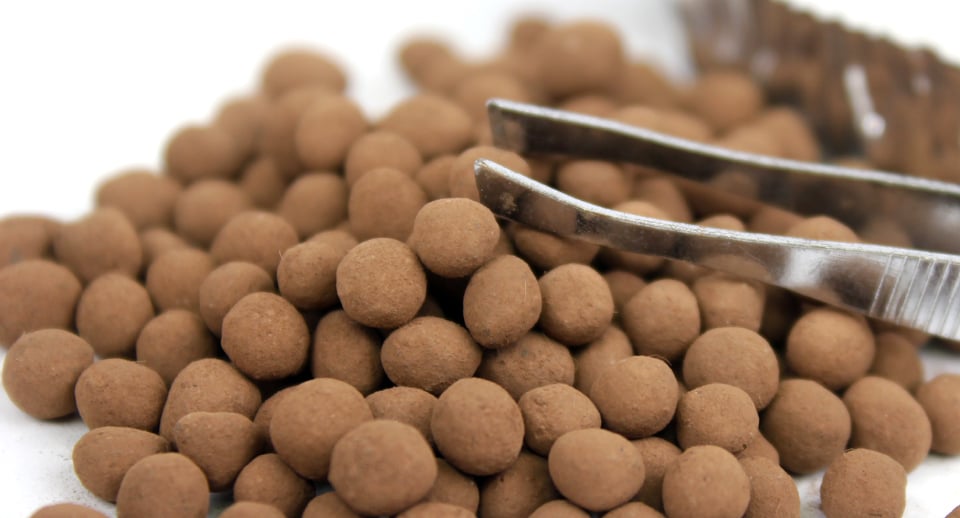
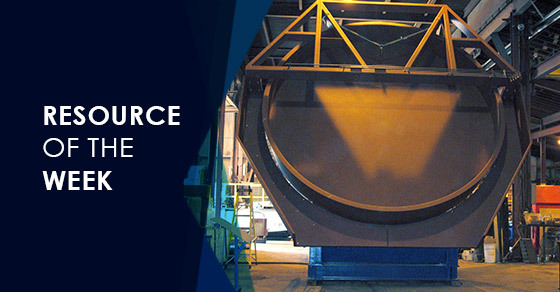
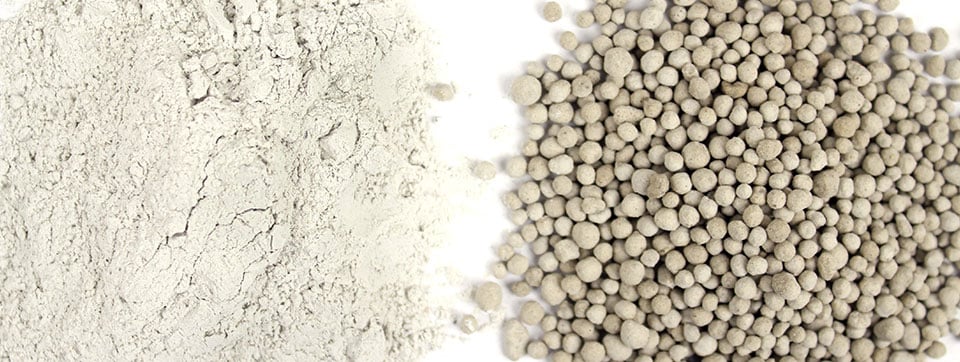
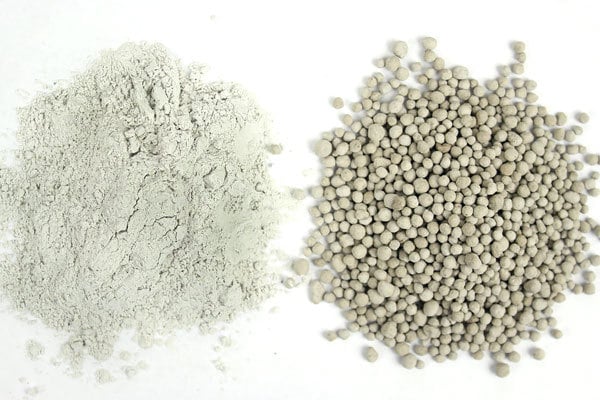
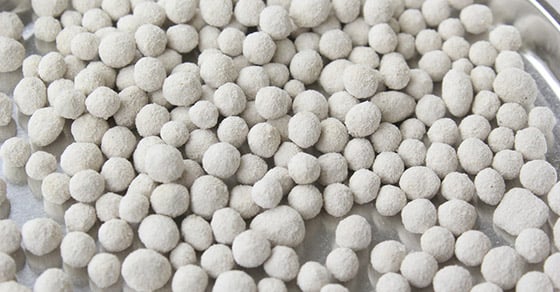
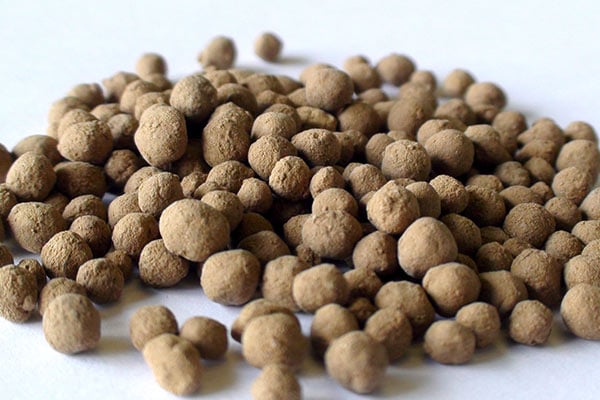
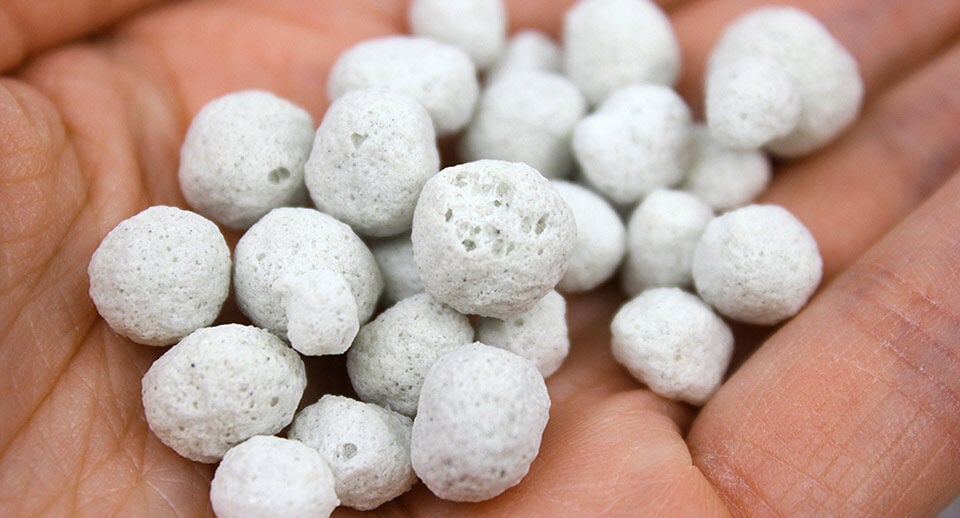
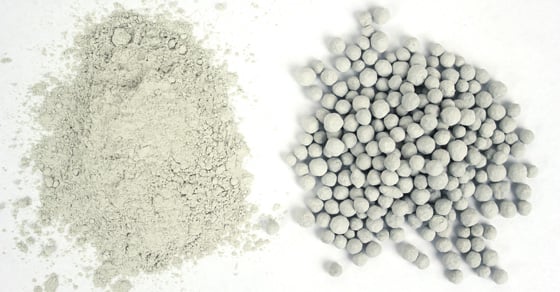
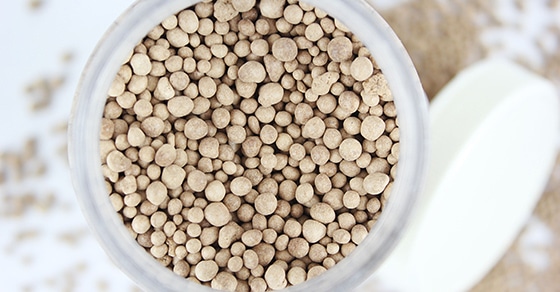
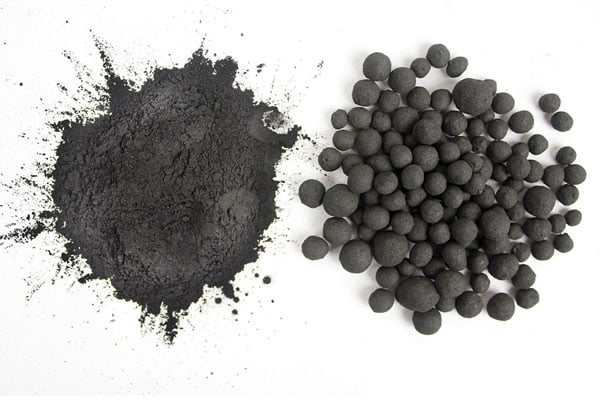
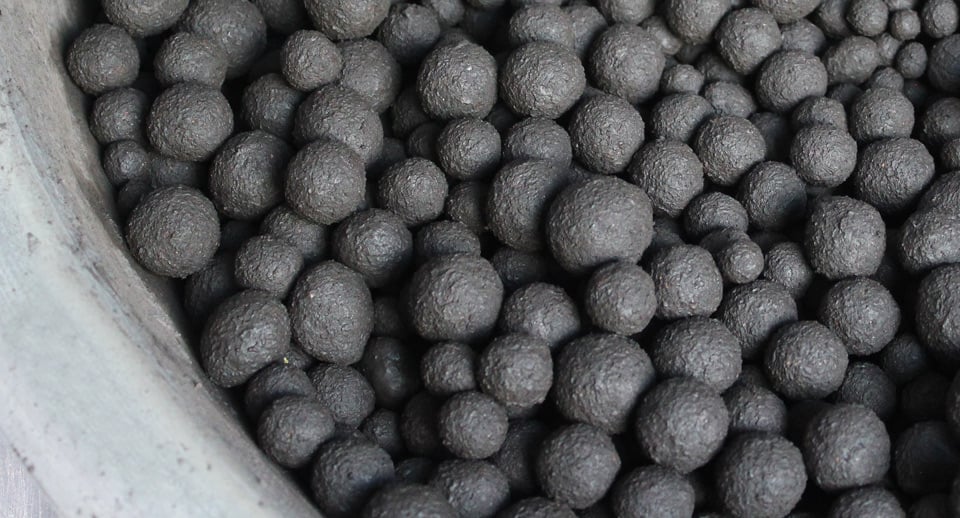
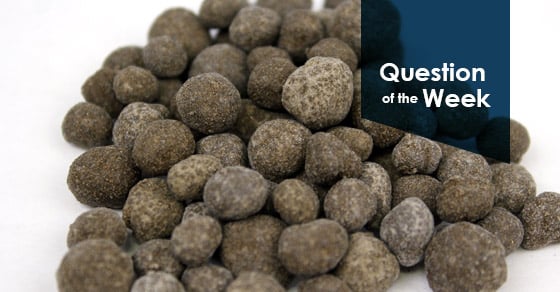
FEECO’s Disc Pelletizers (also known as pan granulators) are the equipment of choice for converting powdered materials into uniform, round pellets.
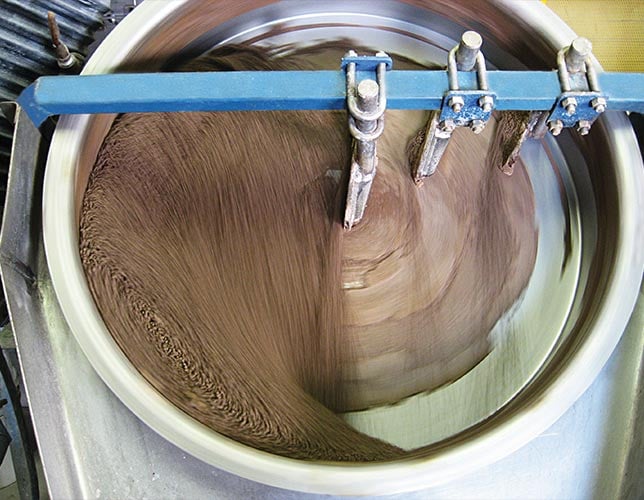
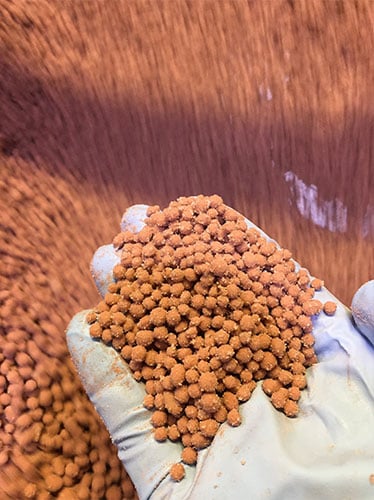
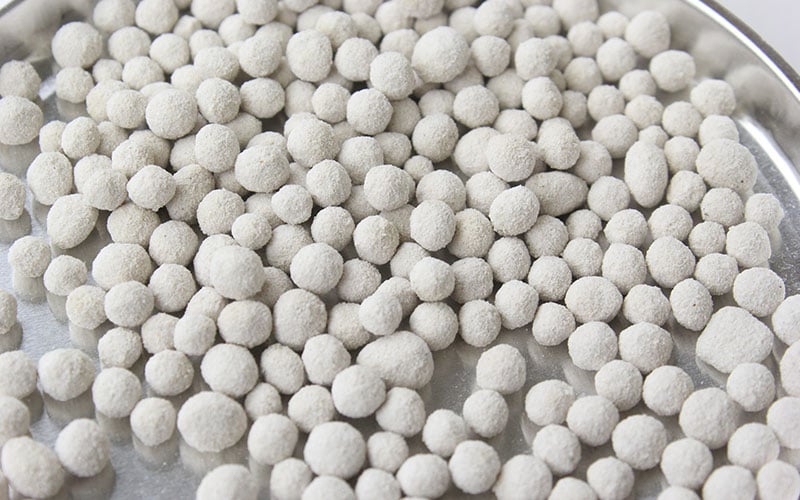
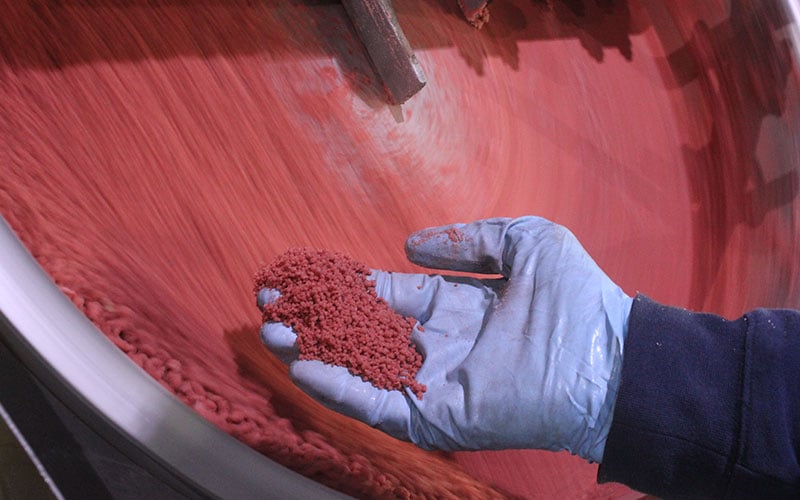
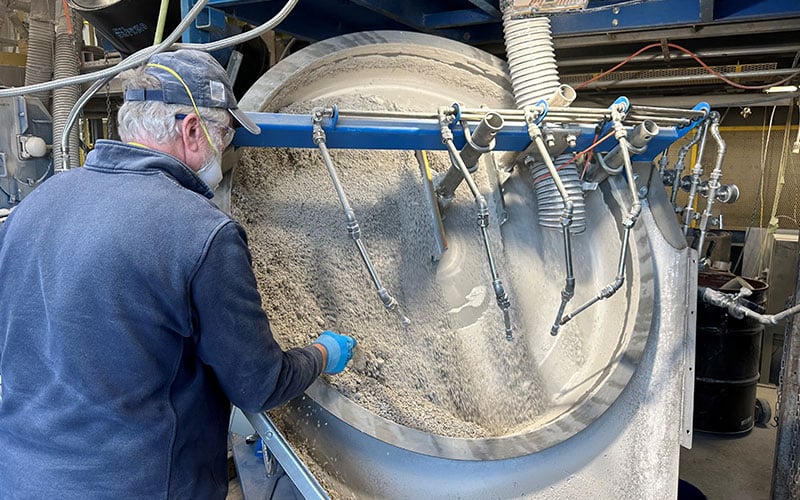
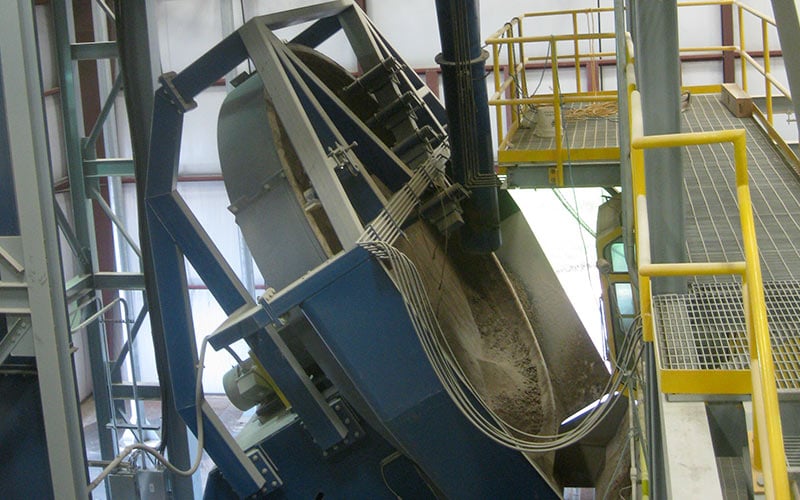
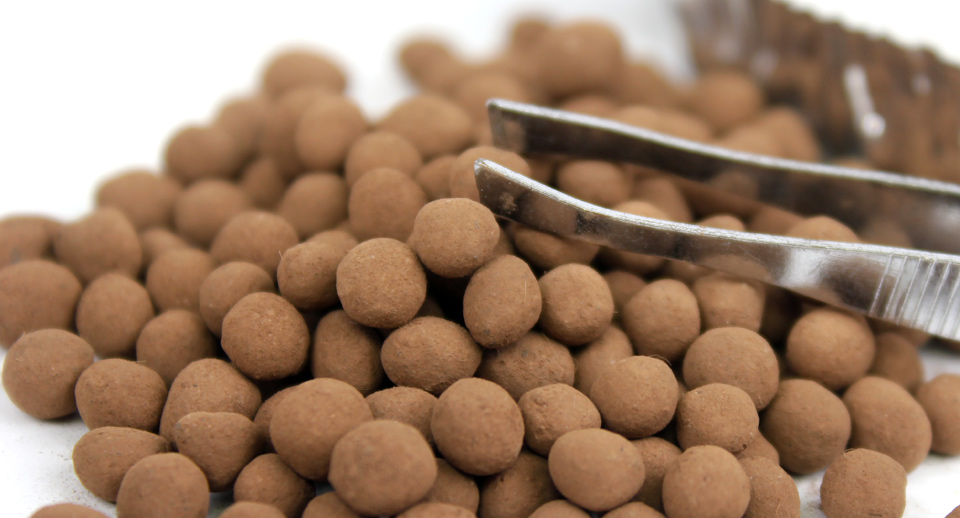
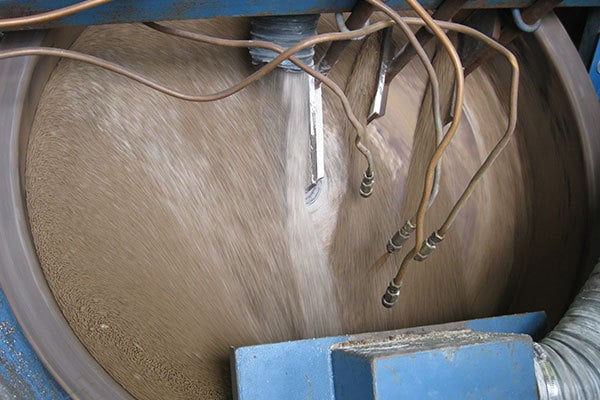
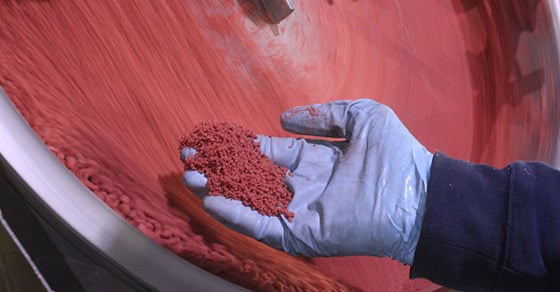
Disc pelletizers utilize a non-pressure (tumble growth) approach to agglomeration and work by tumbling material on a rotating disc, with a binding agent and feedstock being continuously added. The binding agent causes the fines (or seed pellets, when utilizing a pre-conditioning step) to become tacky and pick up additional fines as the material tumbles against itself. This causes a “growing” action referred to as coalescence. Once pellets have reached the desired size, they exit the rotating disc via centrifugal force.
FEATURES
- Size: 6′ – 25′ (1.8 – 7.5m)
- Capacity: 1 TPH – 140 TPH
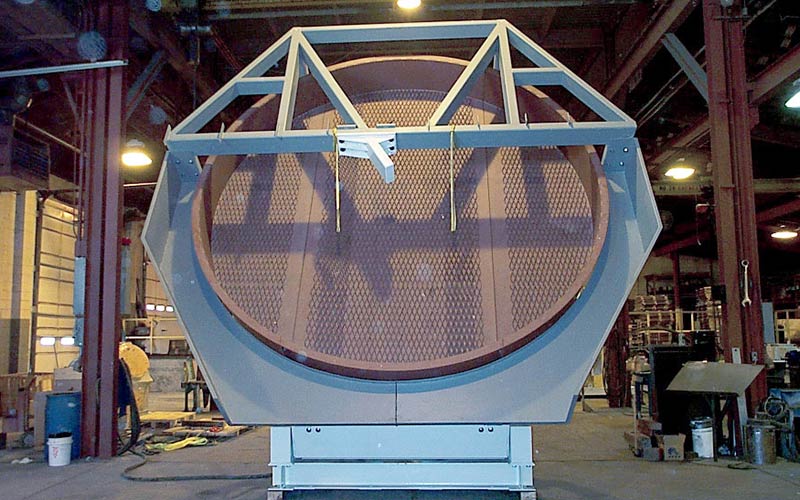
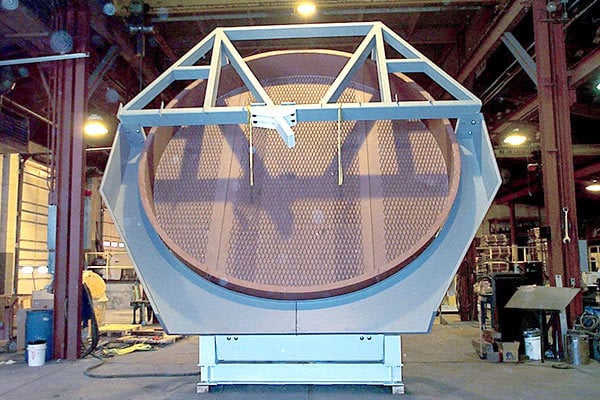
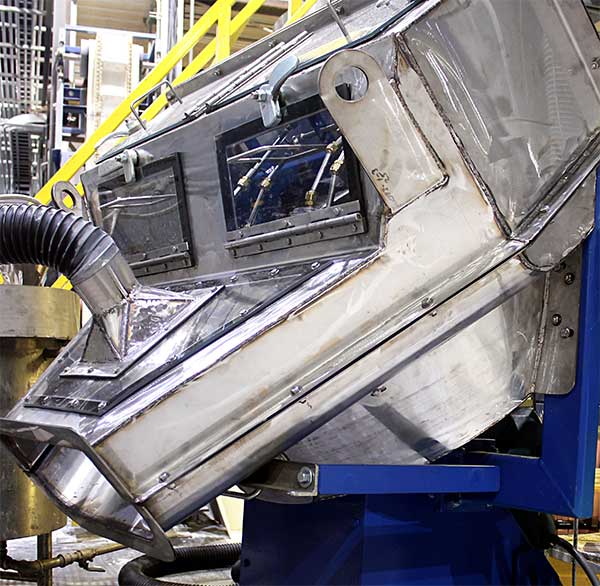
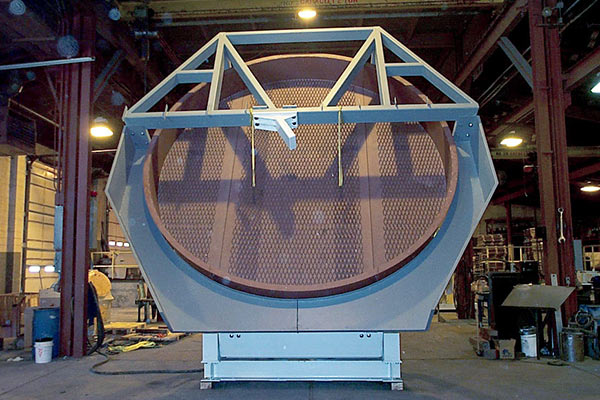
- 6’ (1.8m) and larger discs are lined with expanded metal to reduce abrasive wear.
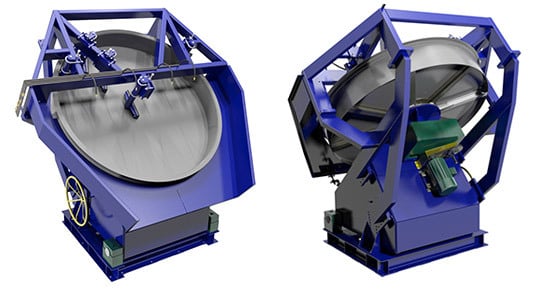
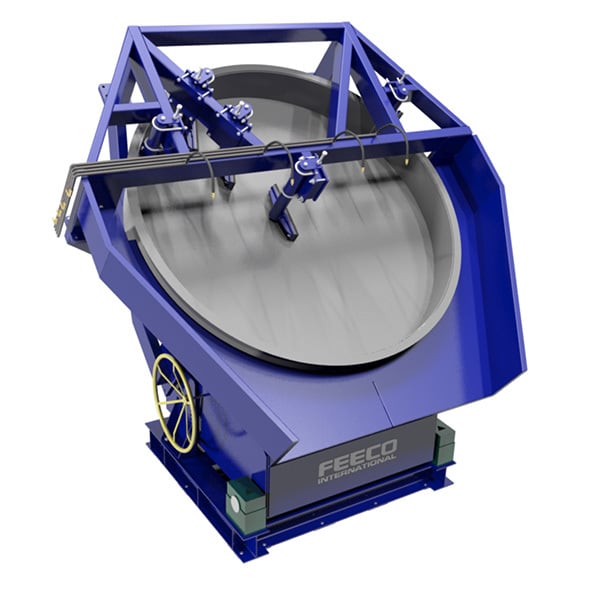
- A hand-wheel operated jacking screw allows for easy adjustment of disc angle.
- The base and plow support members provide maximum rigidity, while simultaneously allowing rapid disc angle adjustment, without the need for separate plow adjustment.
- Individually mounted vane-type plows easily control and maintain the product layer over the disc’s entire surface.
- The pivot base is mounted on heavy-duty, anti-friction bearings. Automatic lubrication is featured on larger discs.
Disc Pelletizer Sizing
| DIAMETER | DEPTH | HP | TPH* *Approximate | |||
| Std (ft-in) | Metric (m) | Std (in) | Metric (mm) | Std (HP) | Metric (kW) | |
| 6’-0” | 1.8 | 11″ | 280 | 5 | 3.7 | 2 |
| 8’-0” | 2.4 | 13″ | 330 | 15 | 11.0 | 4.5 |
| 10’-0” | 3.0 | 15.5″ | 395 | 25 | 18.5 | 7 |
| 12’-0” | 3.6 | 17.5″ | 445 | 40 | 30 | 12 |
| 14’-0” | 4.2 | 19.5″ | 495 | 60 | 45 | 17 |
| 16’-0” | 4.8 | 22″ | 560 | 75 | 55 | 26 |
| 18’-0” | 5.5 | 24″ | 610 | 100 | 75 | 35 |
| 20’-0” | 6.0 | 26″ | 660 | 125 | 90 | 44 |
| 23’-0” | 7.0 | 30″ | 760 | 150 | 110 | 58 |
| 25’-0” | 7.5 | 30″ | 760 | 200 | 150 | 69 |
*Approximate capacities listed are based on processing 60 PCF (960 kg/m3) material and creating nominal 5×10 mesh (2-4 mm) pellets.
Optional Components
- Reciprocating Scraper
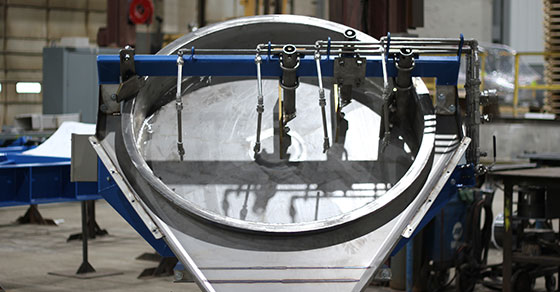
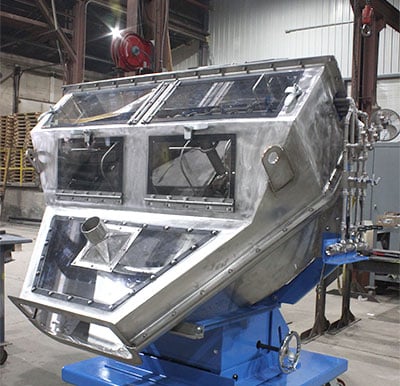
- Partial Hood
- Full Hood
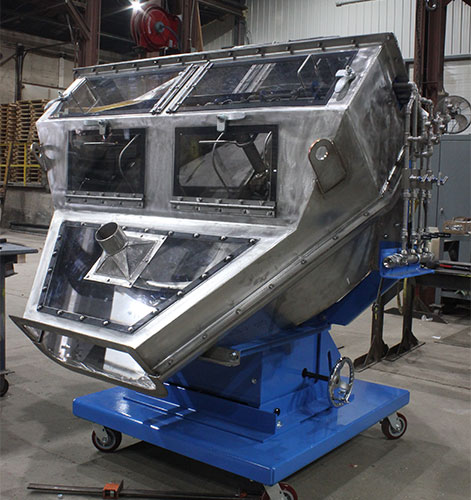
- Stainless Steel Construction
- Variable Frequency Drive

FEECO is capable of meeting the requirements necessary for CE marking equipment.

All FEECO equipment and process systems can be outfitted with the latest in automation controls from Rockwell Automation. The unique combination of proprietary Rockwell Automation controls and software, combined with our extensive experience in process design and enhancements with hundreds of materials provides an unparalleled experience for customers seeking innovative process solutions and equipment. Learn more >>
DISC PELLETIZER COMPONENTS AND PARTS
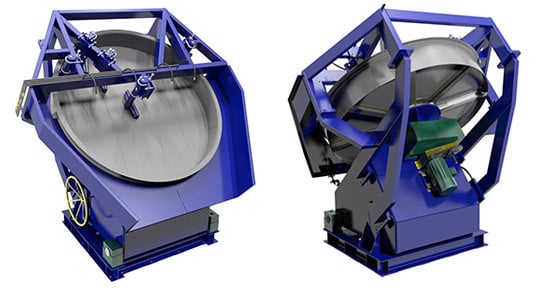
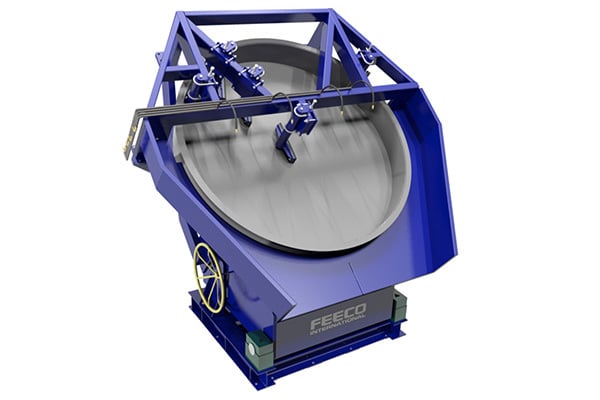
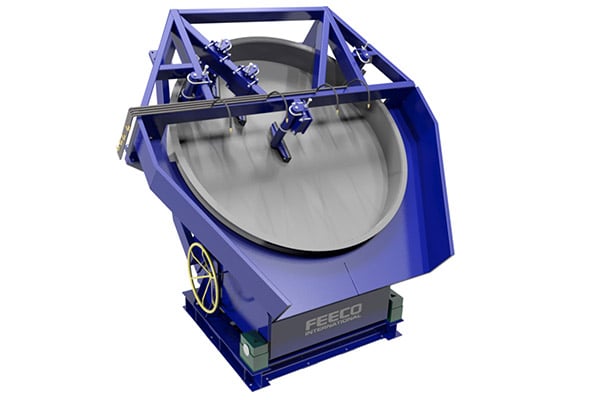
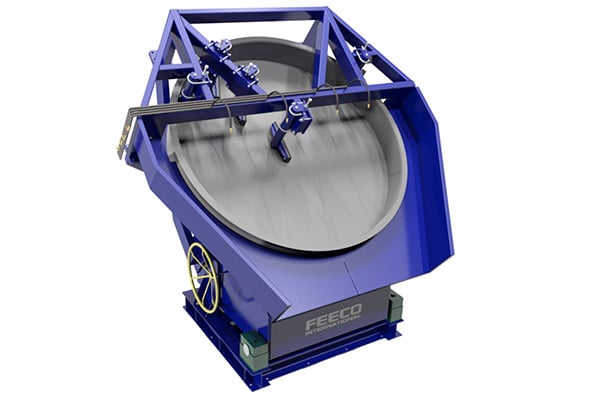
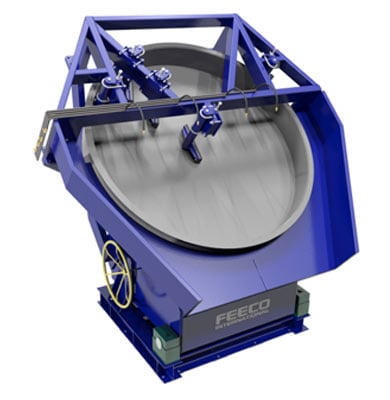
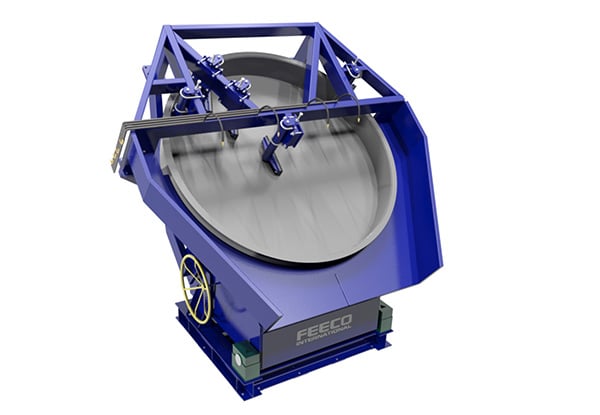
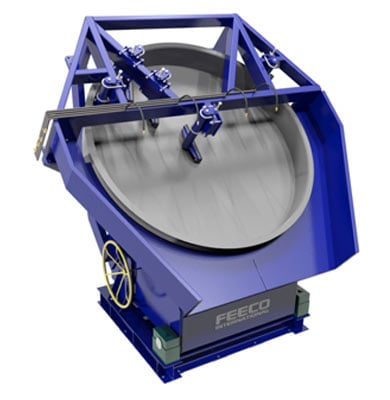
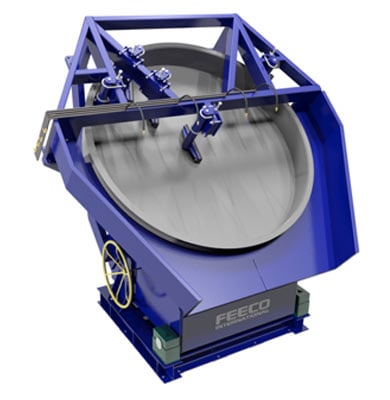
The image below shows the standard components of a disc pelletizer. Click image to view larger.
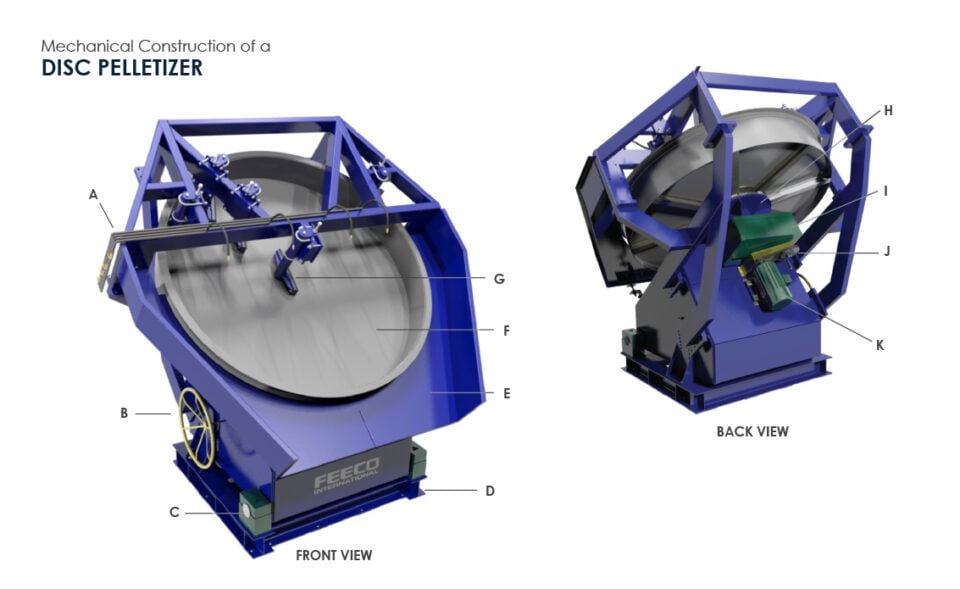
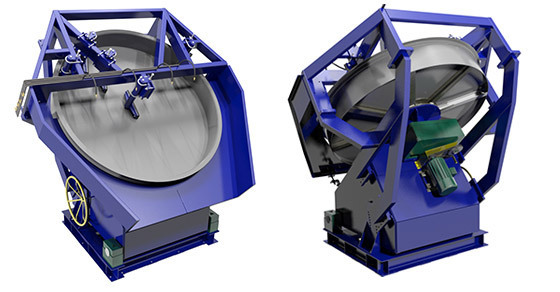
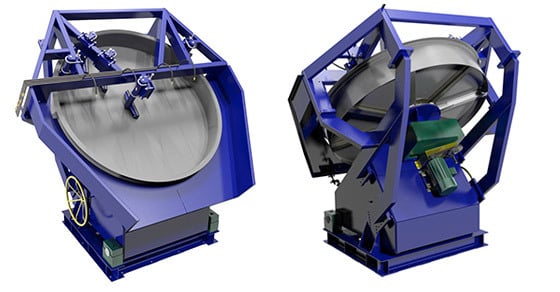
Mechanical Construction of a Disc Pelletizer (3D Pelletizer by FEECO International)

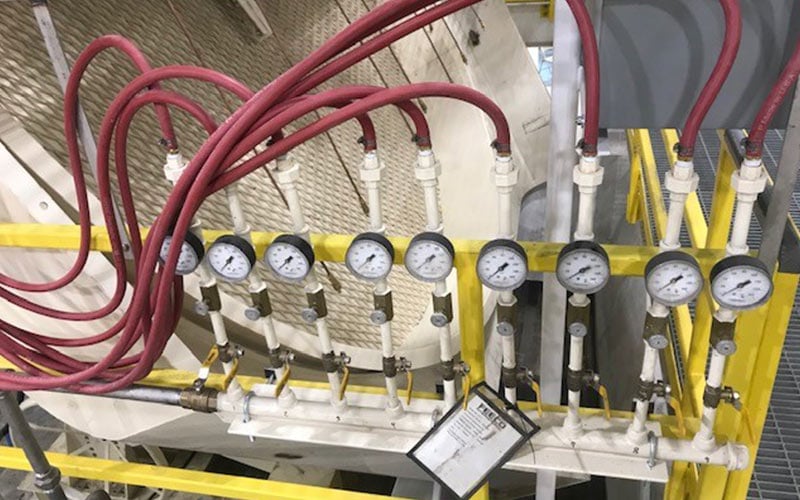
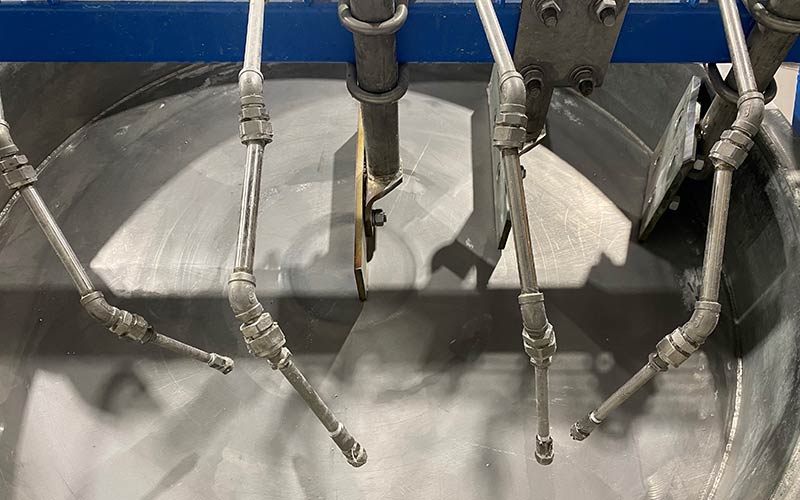
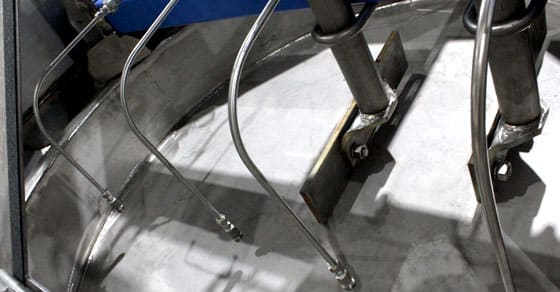
A – Spray System
B – Angle Adjustment
C – Pivot Bearings
D – Stuctural Steel Base
E – Discharge Chute
F – Pan/Disc Assembly
G – Plow/Scraper Assemblies
H – Mounting Hub
I – Gear Reducer
J – Drive Belt & Pulley
K – Drive Motor
WHAT CAN PELLETIZING DO FOR YOUR MATERIAL?
Pelletizing, like all types of agglomeration, offers a variety of benefits. Among them, it allows you to:
- Reduce Volume
- Stabilize Mixtures During Handling
- Eliminate/Reduce Dust Problems
- Control Hardness
- Reduce Packing, Storage and Transport Costs
- Improve Product Performance
- Improve Handling
To learn more about how agglomeration can benefit your material, see Why Agglomerate Your Material.
APPLICATIONS & MATERIALS
FEECO’s Disc Pelletizers can agglomerate everything from fine, dry feed materials, all the way to wet, sludge-like materials. Some of the most common applications for which pelletizer plants are built include:
- Chemical Powders
- Limestone / Gypsum
- Fertilizers
- Coal fines
- Cement / Lime Kiln Dust
- Flyash
- Filter / Centrifuge Cake
- Minerals and Ores
- Vibrating Sludges
- Pond tailings
- EAF Dust
MATERIALS TESTING FACILITY
Laboratory and pilot scale tests conducted in the FEECO Innovation Center can determine optimum flow schemes, equipment sizing, and scale up. If lab tests reveal that alternative agglomeration methods such as briquetting or compaction is the method of choice, FEECO can accommodate these processes as well.
If agglomeration with a disc pelletizer is the method of choice, further savings can be realized with lower investment, power consumption, and maintenance costs.
RESOURCES
DISC PELLETIZER ARTICLES
Agglomeration’s Growing Role in Processing Spodumene Concentrates for Calcination
Agglomeration is emerging as a valuable complement to flotation in modern spodumene processing operations. As lithium demand drives the development of …
Using Agglomeration to Improve the Flowability of Bulk Solids
The flow properties of a bulk solid can have a significant impact on process efficiency and the success of the end …
BROCHURES
Agglomeration Brochure
Innovation Center Brochure
Disc Pelletizer Frequently Asked Questions (FAQs)
Determining whether a disc pelletizer is the best fit for an intended process or material is typically based around expertise, testing, or in many cases, both. Pelletizer feasibility tests can be used to assess whether or not a disc pelletizer is a good fit for a new material or novel application.
Not all materials respond favorably to agitation agglomeration, so disc pelletizers are not always an option. Further, depending on the end product goals, a different type of equipment might suit the process or product better.
Oftentimes, past experience can inform the manufacturer on whether or not a disc pelletizer is the best fit for a given material, though it’s important to note that even the same material from different sources can respond differently to agglomeration based on its unique physical and chemical composition, making testing a valuable tool.
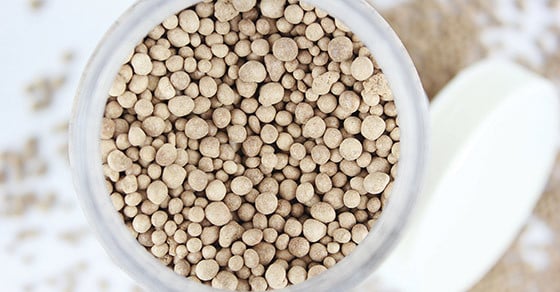
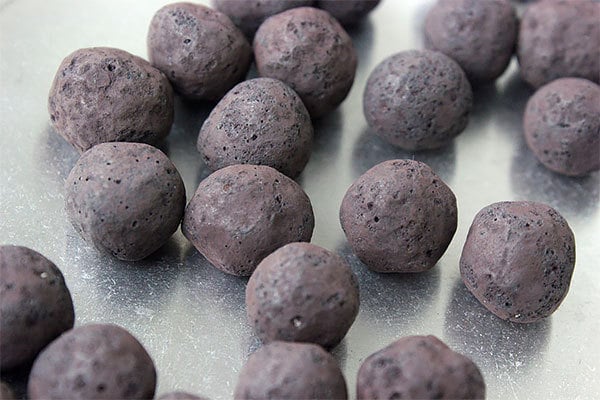
A disc pelletizer is capable of producing a wide range of pellet sizes, typically anywhere from 40 mesh to ¾” (400μm to 20mm).
Yes. Pelletizing relies on a liquid binder, along with agitation, to join fines together and continue layering material for growth. The liquid binder allows fines and pellets to become tacky so they can continue to coalesce.
In some cases, the material may naturally exhibit a binding agent. This is rare, and an additional binder (or simply water) may still be needed to bring the material to the required moisture range needed for pellet formation.
A disc pelletizer works by tumbling material on a rotating disc in the presence of a liquid binder to encourage granule formation and growth.
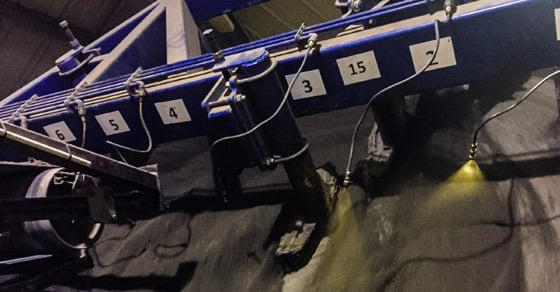
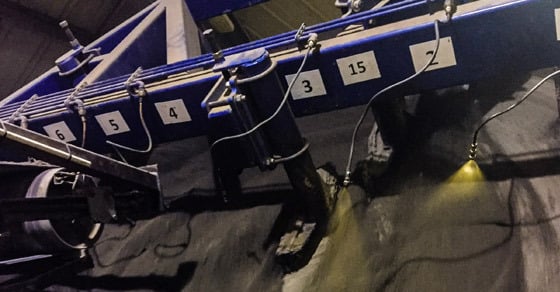
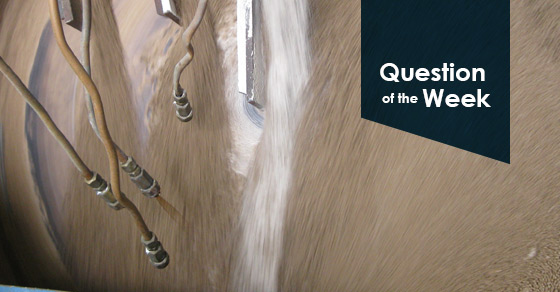
Fines or premade seed pellets are continuously fed to the disc pelletizer, along with the liquid binder. The disc rotates at a predetermined speed and angle. As fines or seed pellets pass under the binder spray, they become tacky, which allows them to pick up additional fines, layering and growing larger. The centrifugal force of the rotating disc carries pellets of varying sizes up the side of the pelletizer and causes the different sizes to self segregate upon cascading down the face of the pan/disc. Once pellets reach the desired size, they discharge from the pelletizer via centrifugal force.
Several variables can be adjusted during processing in order to respond to changes in feedstock or refine pellet formation and growth.
Disc pelletizers can handle capacities ranging from 100-500 pounds per hour (lb/hr) to 100 tons per hour (TPH), depending on equipment size.
Disc pelletizer size is dependent on many factors, but is typically a function of pellet size, desired capacity, the material’s bulk density, and whether or not a preconditioning step (typically a pin mixer) is utilized. Equipment engineers often use a testing program such as those available in the FEECO Innovation Center, to inform on sizing and design decisions.
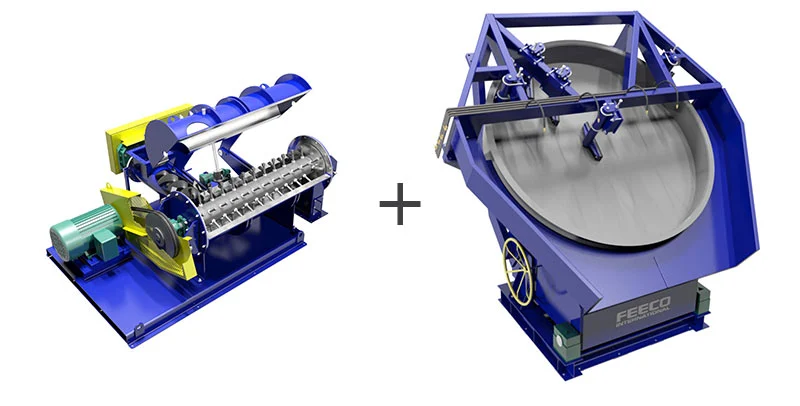
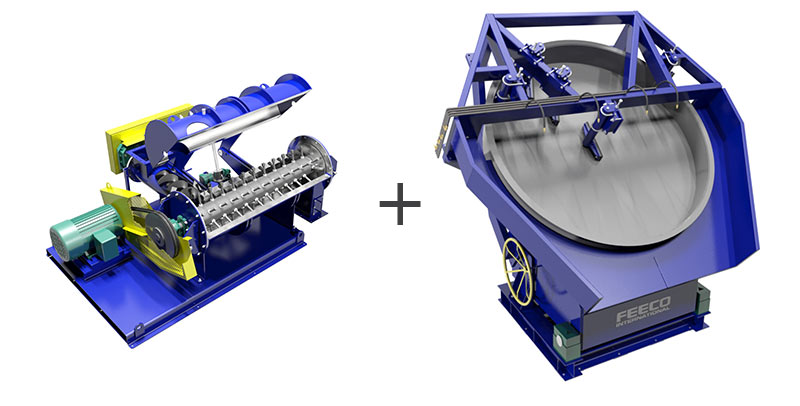
The choice to include a pin mixer before a disc pelletizer depends on process and product goals, but almost always brings advantages to the process.
If each pellet must be made up of a homogeneous mixture of multiple feedstocks, a pin mixer will be required, because the disc pelletizer is not intended to homogeneously mix multiple components.
Likewise, if the operation requires a certain capacity that the disc pelletizer alone cannot meet, the addition of a pin mixer will speed up production and allow the system to reach a higher capacity.
Operations with strict dust control standards may also require a pin mixer. In this setting, the pin mixer provides an enclosed vessel in which to mix the liquid binder and fines, providing a mixed and de-dusted feedstock to the disc pelletizer.
Yes. Because a liquid binder is used to aid in granule formation, pellets typically require drying.
However, some pellets may “self cure” with time, while other downstream processes may not require dry pellets, making the drying requirement situation-dependent.
Pre-grinding may or may not be necessary depending on the particle size distribution of the feedstock in its natural state.
The particle size distribution at which optimal pellet formation occurs is different for each material, but in general, falls below 60 mesh, or 250 micron. Material that falls beyond this will require grinding.
Additionally, particle shape can also impact the pelletizing process, so pellets that are oblong or rectangular are likely to require grinding as well.
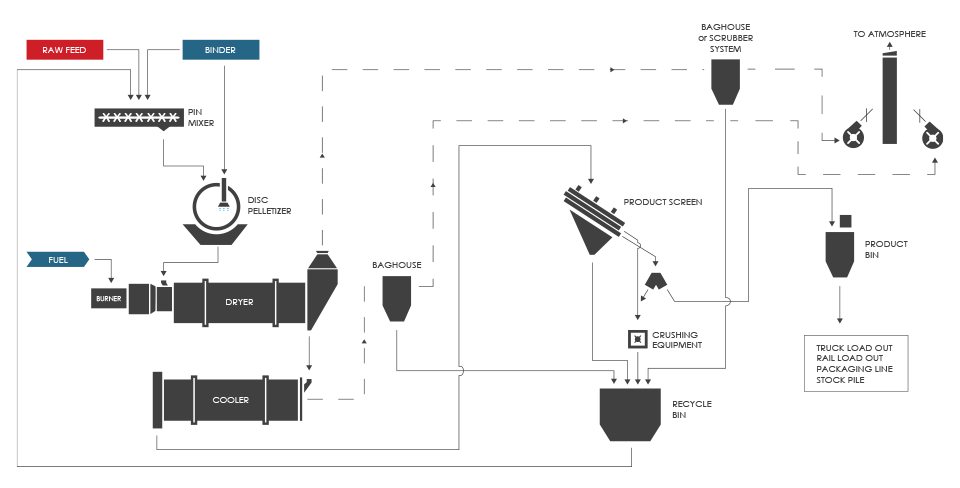
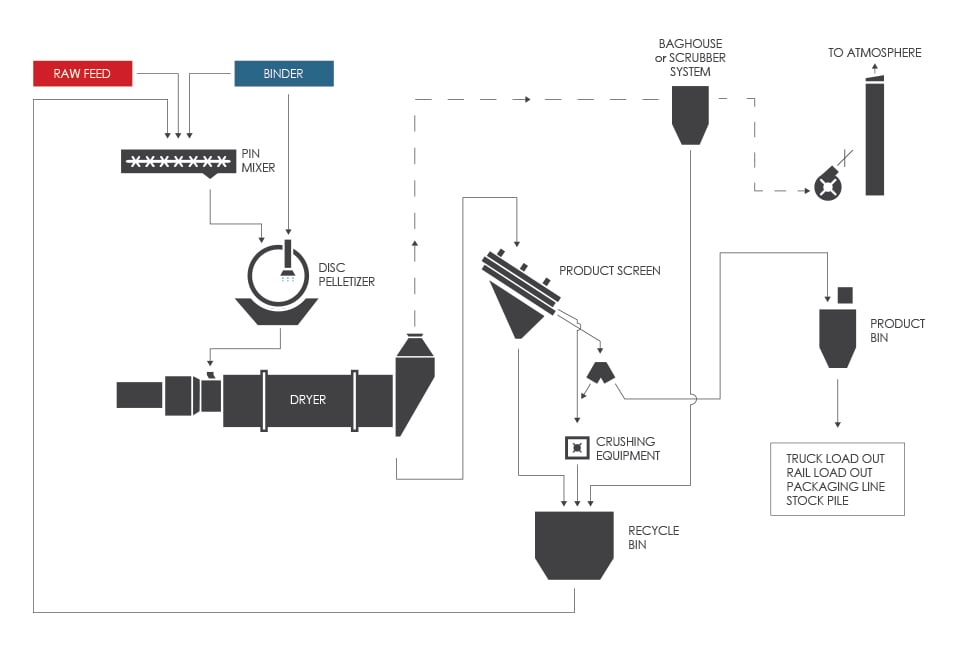
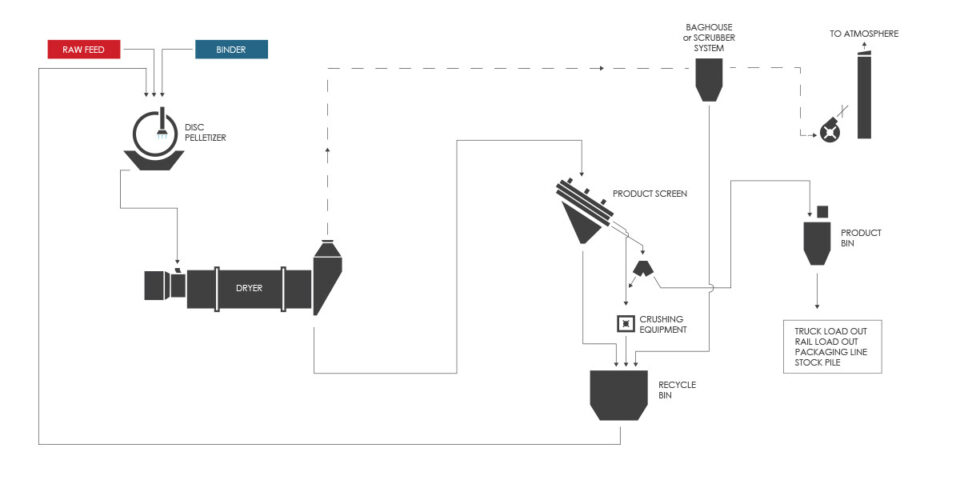
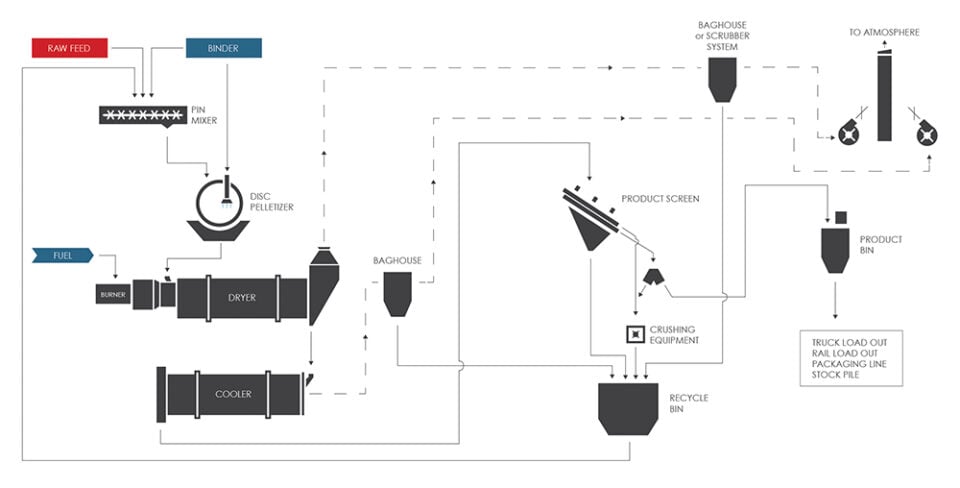
A typical disc pelletizer setup also requires the following equipment:
- Pin mixer (often optional, for preconditioning)
- Liquid introduction system (for binder incorporation)
- Rotary dryer
- Screen
- Hammer/Chain mill (for crushing oversize product to use as recycle)
Yes. In addition to various sizing options, disc pelletizers can be customized in a number of different ways. This includes the use of different materials of construction (such as stainless steel), a full or partial hood/cover, use of a variable frequency drive (VFD), or inclusion of a reciprocating scraper.
Yes and no. While not all aspects of pelletizer operation allow for automation capabilities at this time, it is possible to gather pellet moisture content at discharge, as well as material feed rate and the amount of liquid being sprayed onto the product.
The retention time for a disc pelletizer typically ranges from one to three minutes, though this depends on several factors.
The retention time required to reach the desired pellet size and quality is also dependent on whether or not a pin mixer precedes the disc pelletizer. Retention time can be reduced if a pin mixer is utilized prior to the disc, because the pin mixer uses motion to densify the product and create seed pellets (as opposed to additional binder which must be added gradually on the pelletizer).
A disc pelletizer requires supervision by one operator. A single operator can supervise more than one disc pelletizer at a time. However, because there are variables in the pelletizing process that operators must use to respond to changes in production or feedstock, a single operator should not watch several pelletizers. Likewise, if operators are inexperienced, fewer pelletizers per operator may be more effective.
Pelletizer training programs are a valuable option for helping operators to understand the process and equipment.