
THERMAL PROCESSING EQUIPMENT
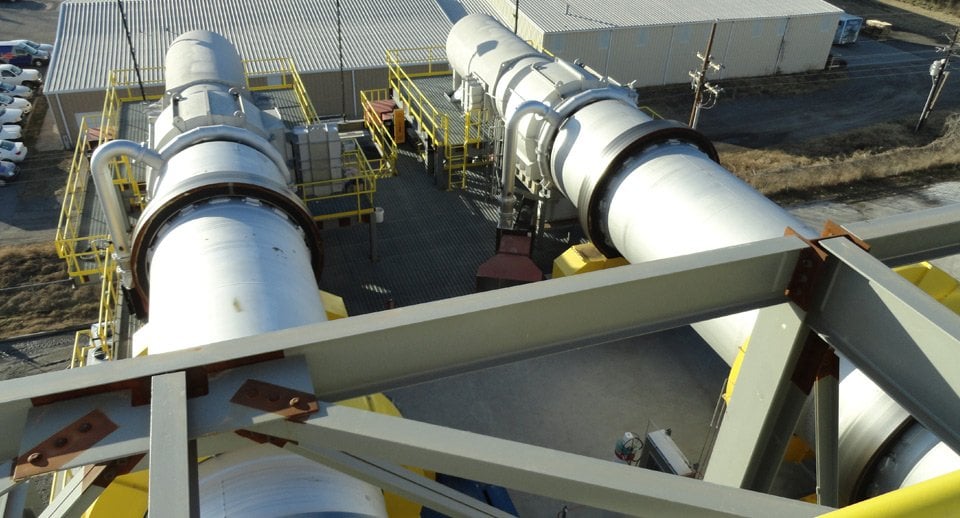
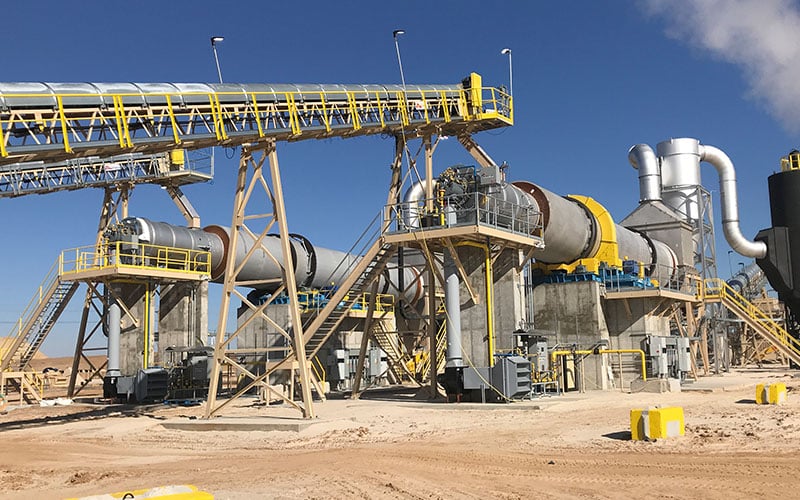
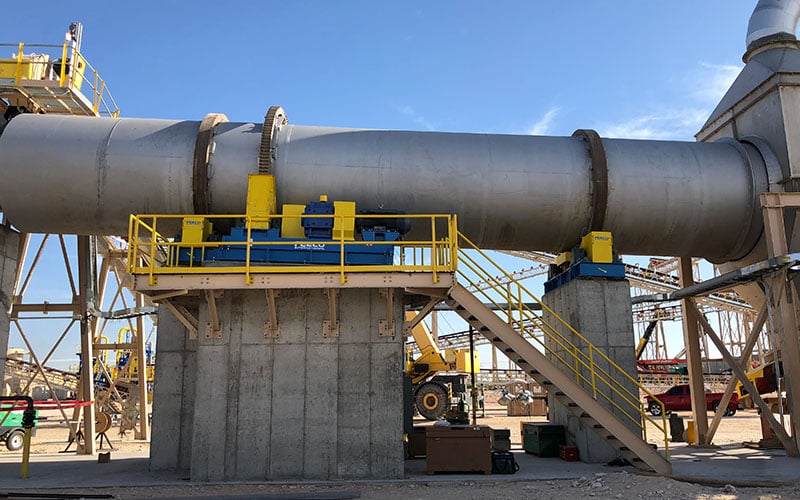
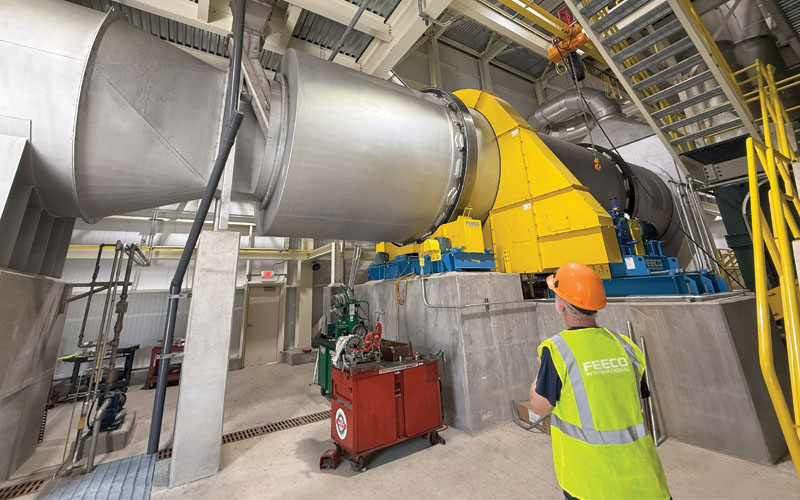
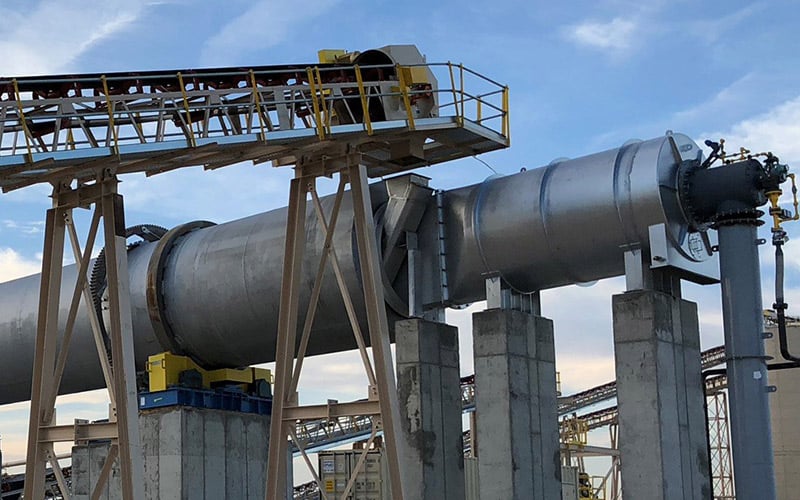
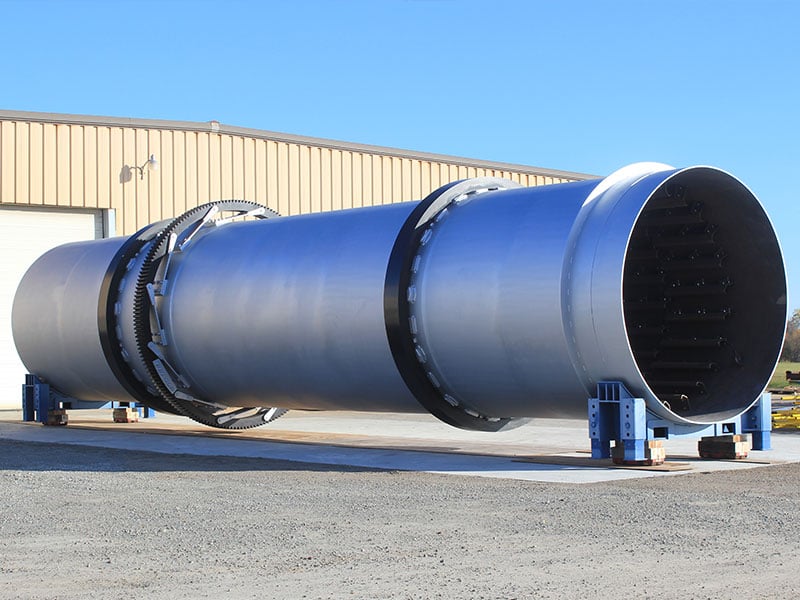
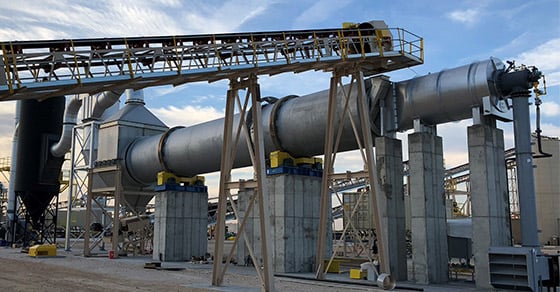
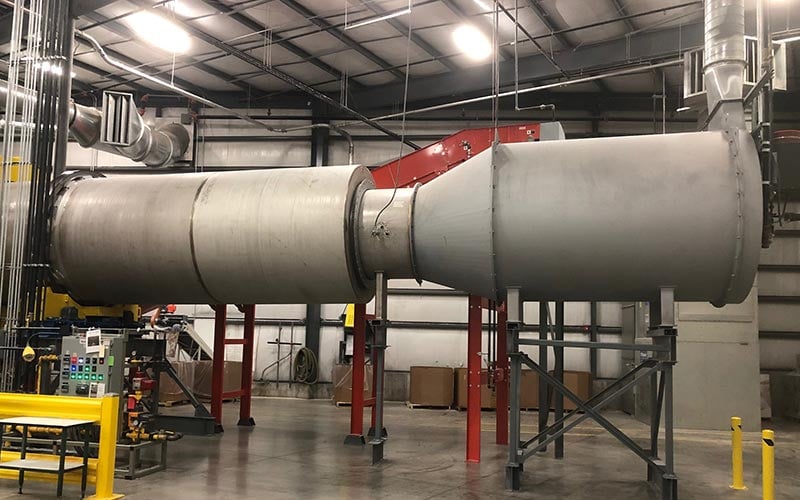
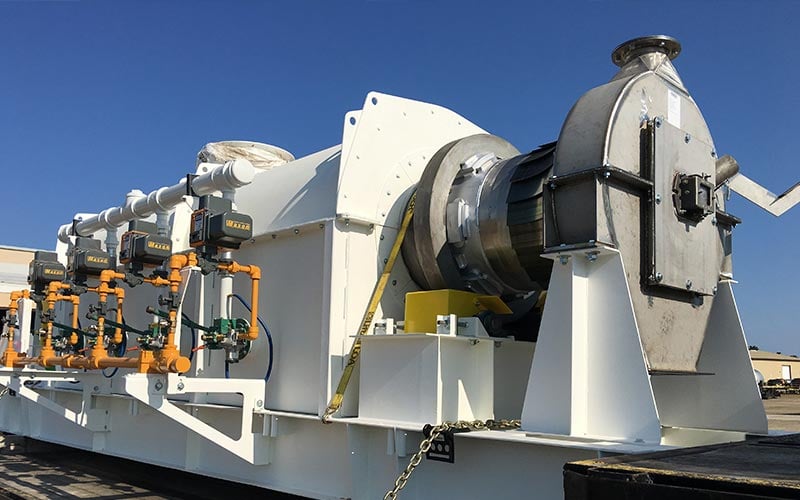
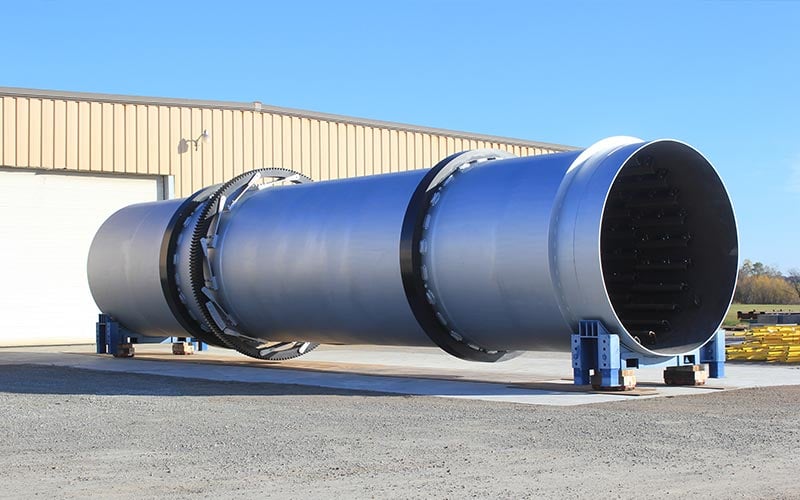
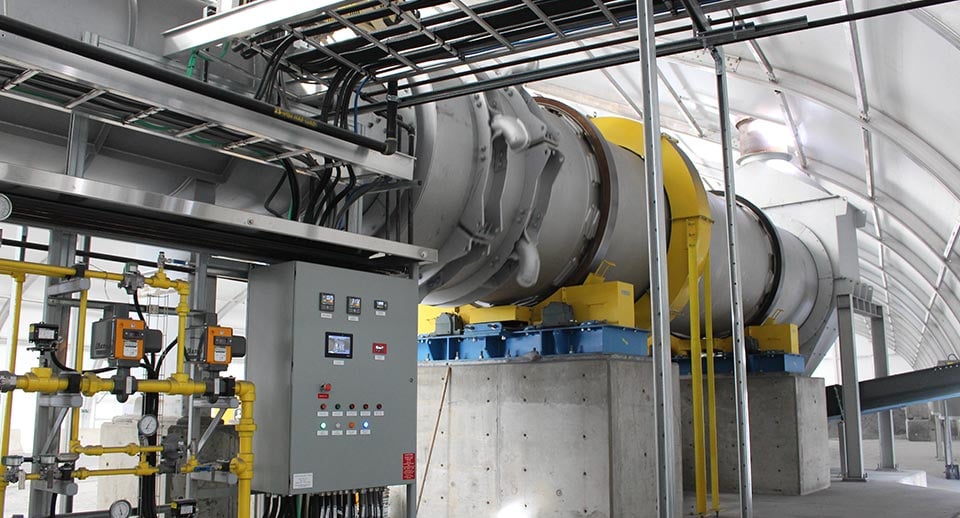
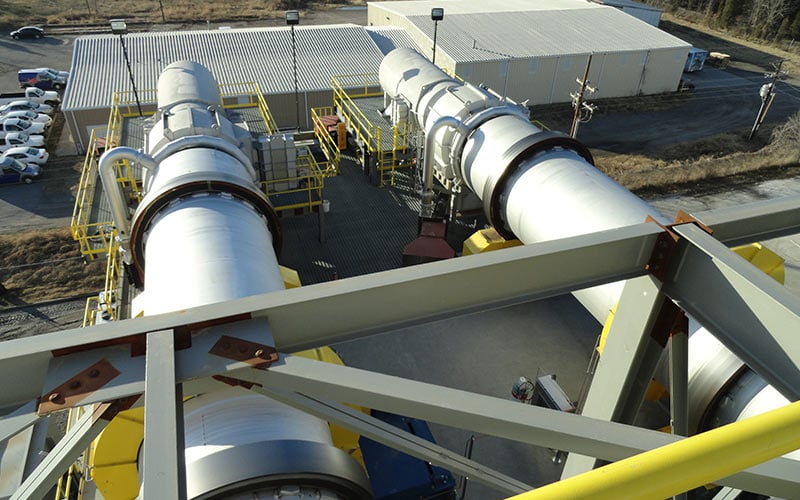
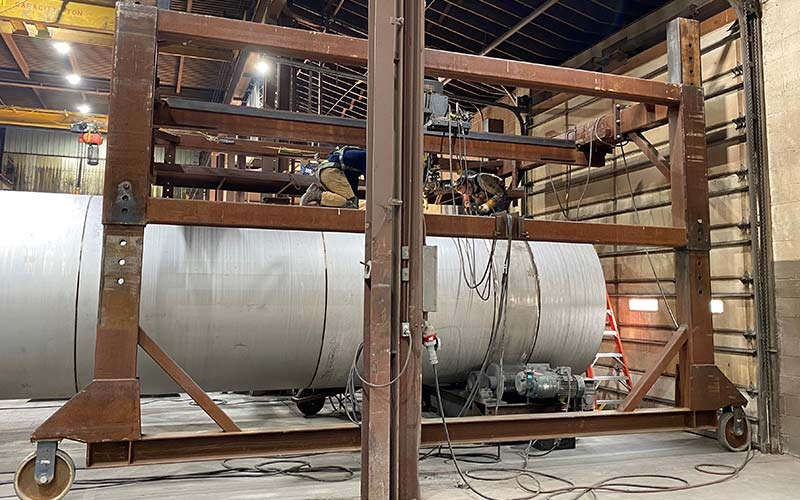
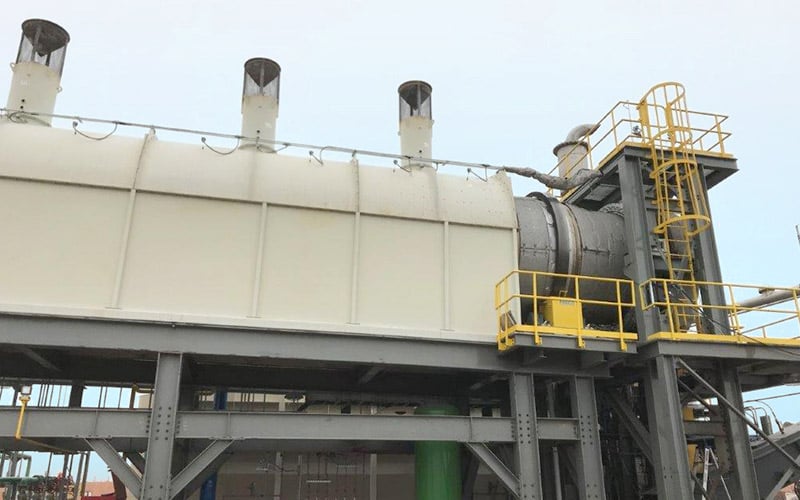
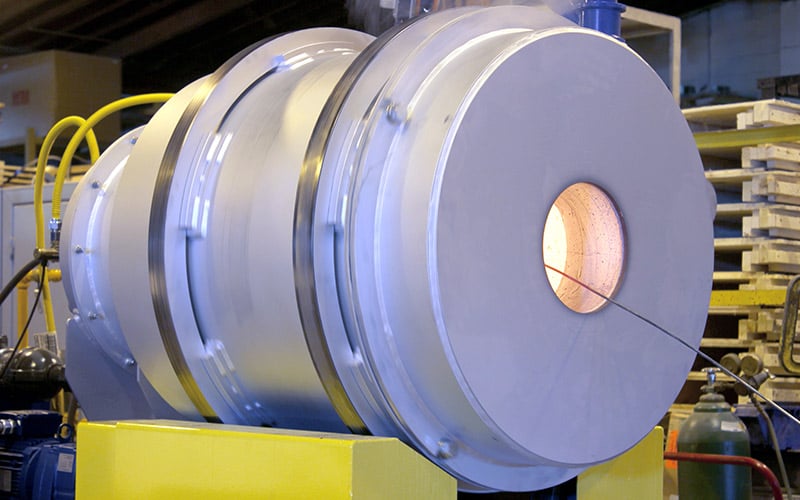
FEECO International, Inc. is an industry leader in the field of thermal processing (also known as pyro processing). All of our thermal processing equipment is custom designed around the requirements of your process and the characteristics of your material.
From industrial drying and cooling, to calcining and pyro processing, we supply:
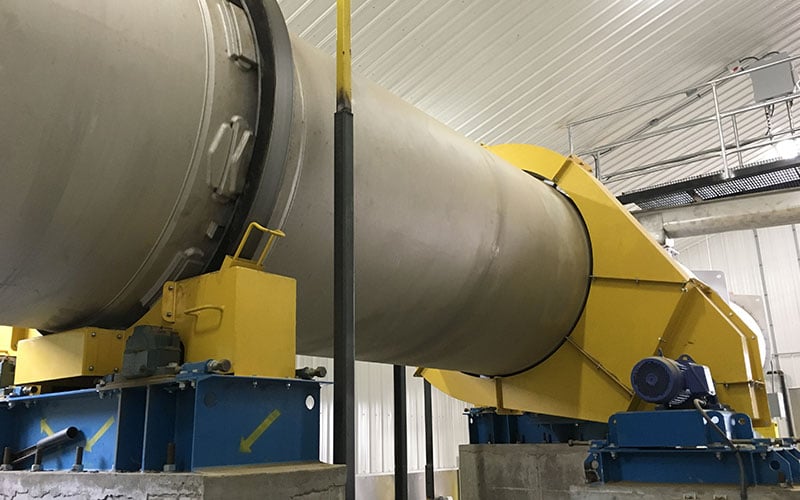
- Rotary Dryers
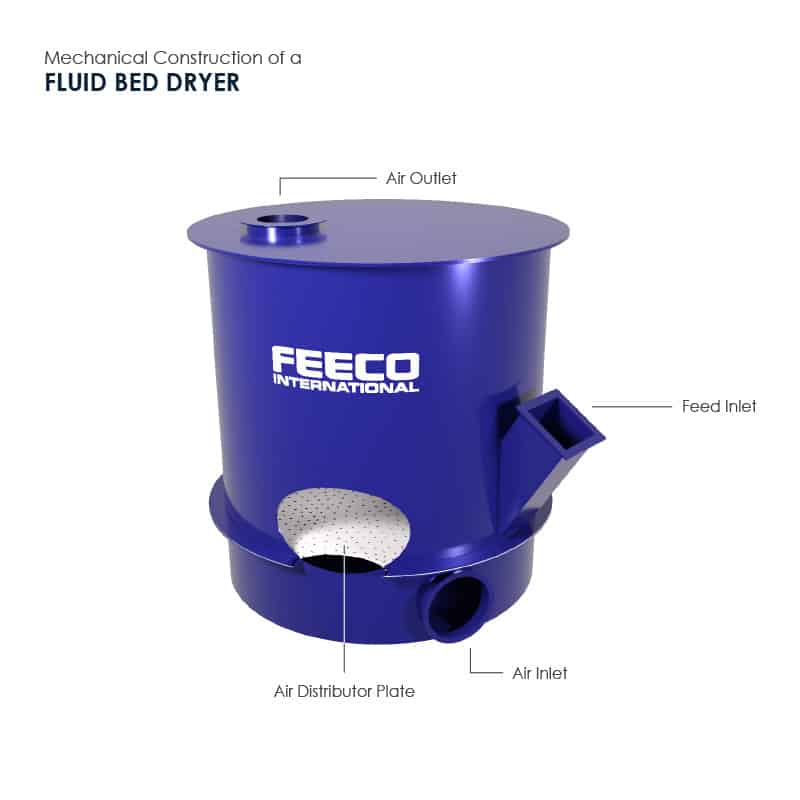
- Fluid Bed Dryers
- Rotary Coolers
- Indirect Rotary Coolers
- Direct-Fired Rotary Kilns
- Indirect-Fired Rotary Kilns
We offer cost competitive designs for everything from pilot scale units, to full capacity units, and everything in between.

FEECO is capable of meeting the requirements necessary for CE marking equipment.

All FEECO equipment and process systems can be outfitted with the latest in automation controls from Rockwell Automation. The unique combination of proprietary Rockwell Automation controls and software, combined with our extensive experience in process design and enhancements with hundreds of materials provides an unparalleled experience for customers seeking innovative process solutions and equipment. Learn more >>
FEECO equipment processes such materials as:
- Limestone and Lime
- Sand and Gravel
- Industrial Waste and Sludges
- Municipal Waste
- Minerals and Ores (Copper, Iron, etc.)
- Proppants
- Fertilizers (potash, DAP, MAP, NPK, TSP)
Complete Thermal Systems
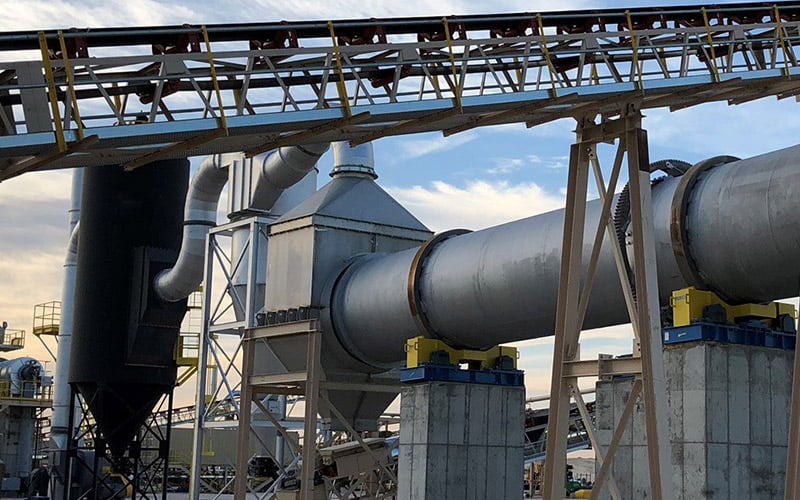
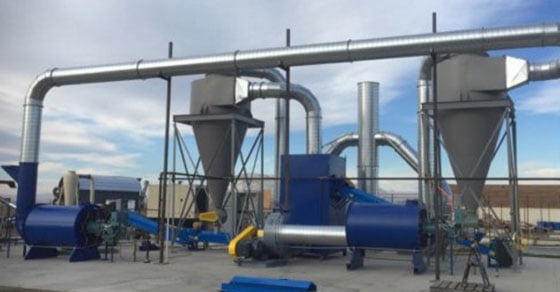
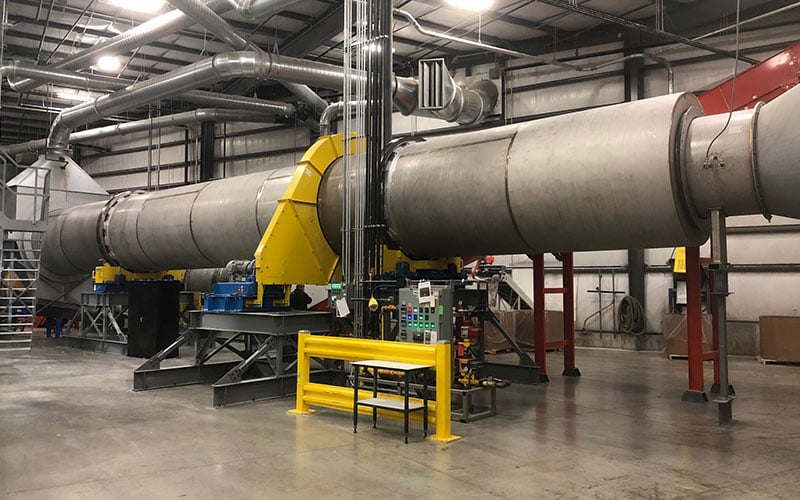
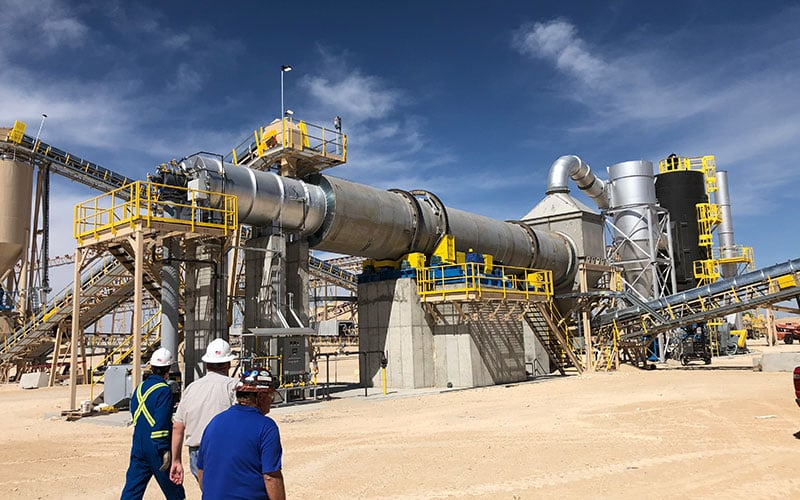
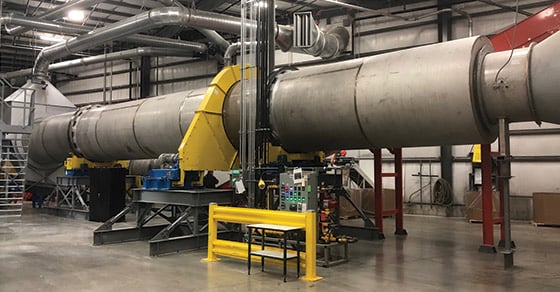
In addition to single, stand-alone thermal processing units, we also offer complete systems, including feed handling, metering, and exhaust gas cleaning, as well as a variety of control systems, from a simple single control loop in a microprocessor, to a sophisticated PLC-based system with multiple control loops.
All of our systems and equipment are developed with longevity and efficiency in mind, and can be configured to a variety of specifications:
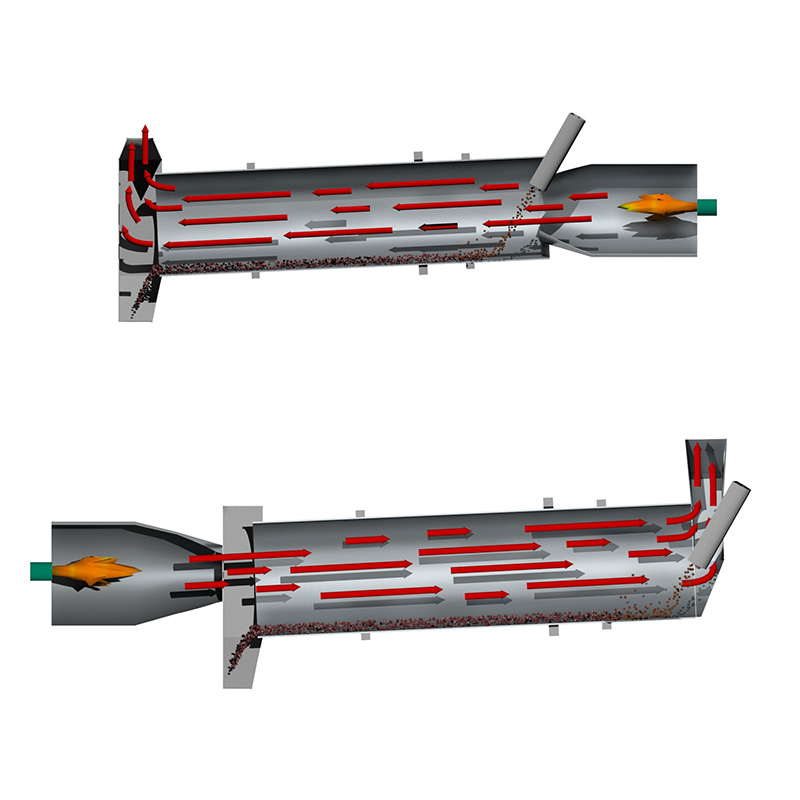
- Parallel Flow or Counter-Current Flow
- Direct or Indirect Fired
- Natural Gas, Oil, Steam, Waste heat, etc.
RESOURCES
Thermal Processing ARTICLES
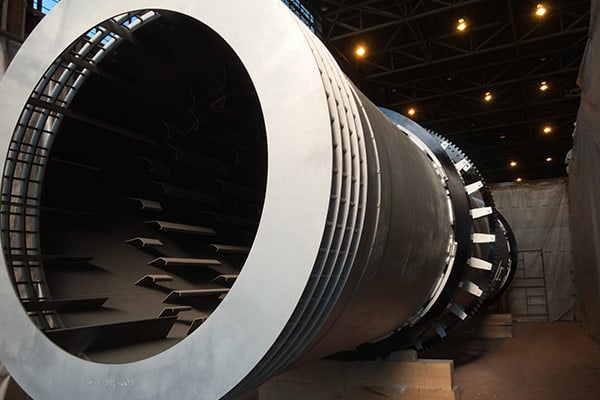
What Makes an Industry Leading Rotary Dryer Manufacturer?
When it comes to industrial drying, few systems offer the versatility and scalability of the rotary dryer. But the performance of …
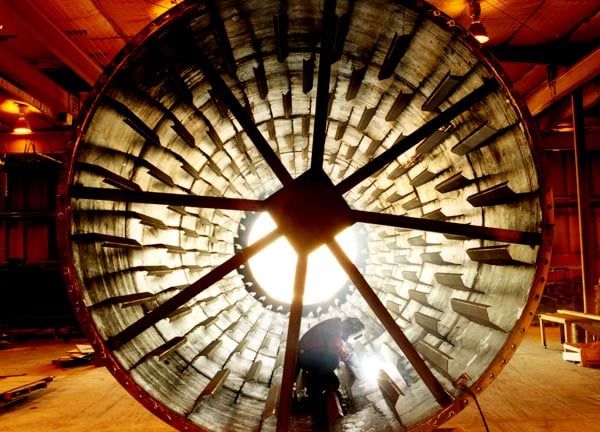
Rotary Dryer or Fluid Bed Dryer
When it comes to buying an industrial dryer, people are often faced with the decision to choose between a rotary dryer, …
BROCHURES
Rotary Dryers & Coolers Brochure
Rotary Kilns Brochure
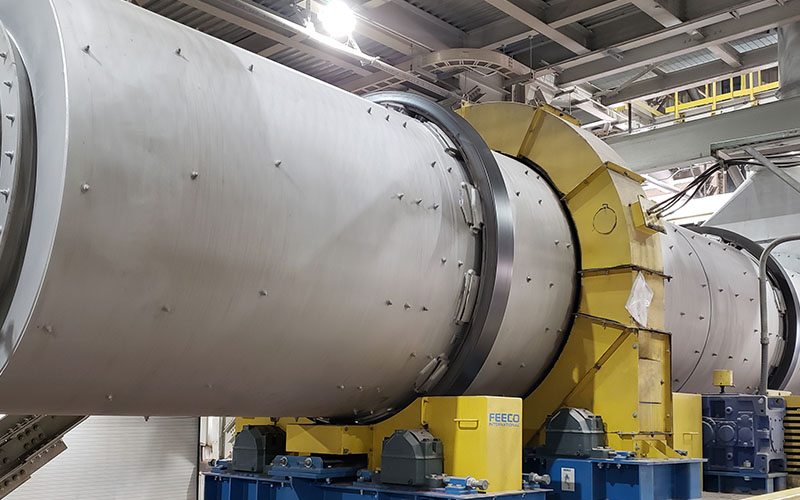
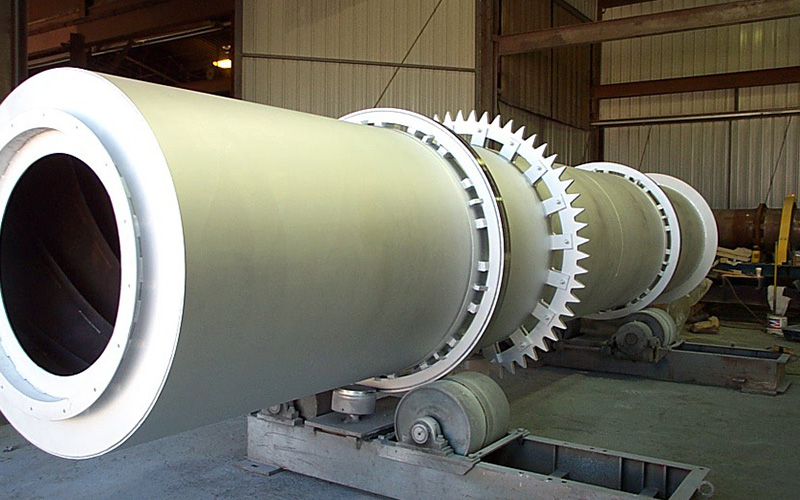
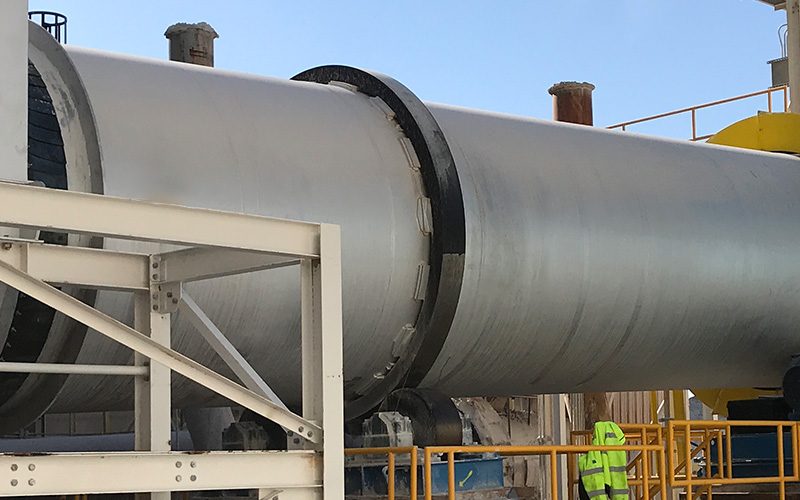
Thermal Processing Frequently Asked Questions (FAQs)
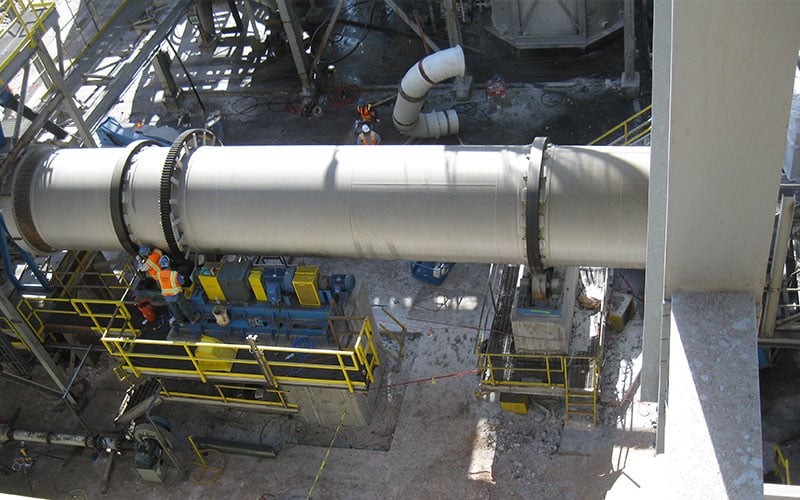
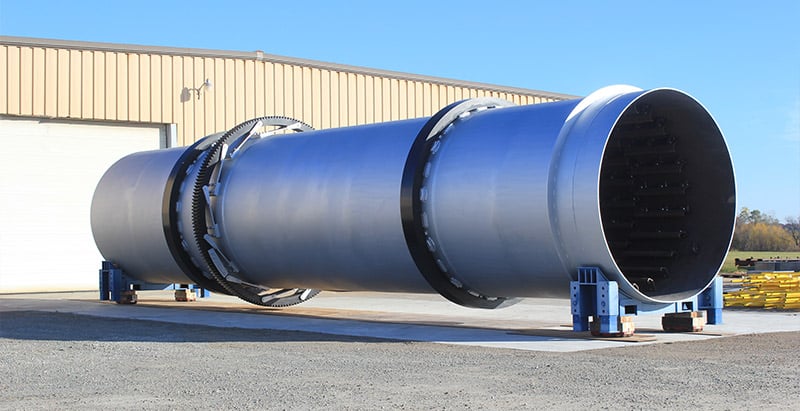
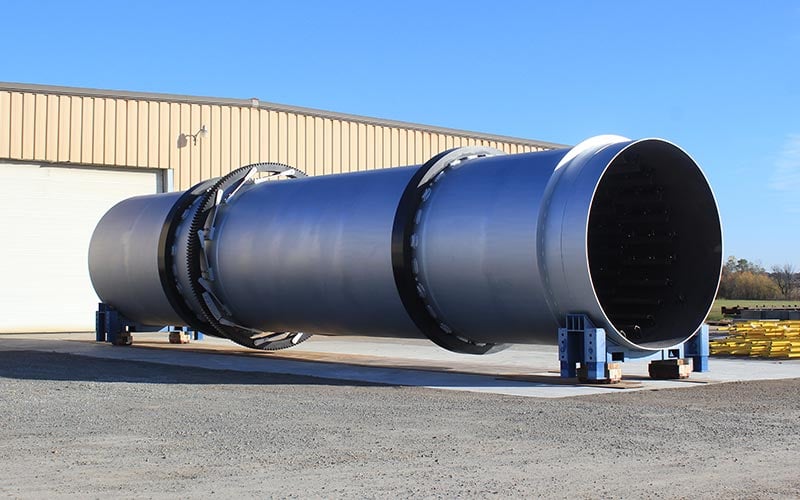
Rotary drums have several advantages when it comes to drying, cooling, and thermal treatment applications, most notably for they offer reliability and a high throughput.
Rotary drums are generally low maintenance compared to other thermal devices and rely on simple, well-established technology, making them easy to learn, operate, and maintain.
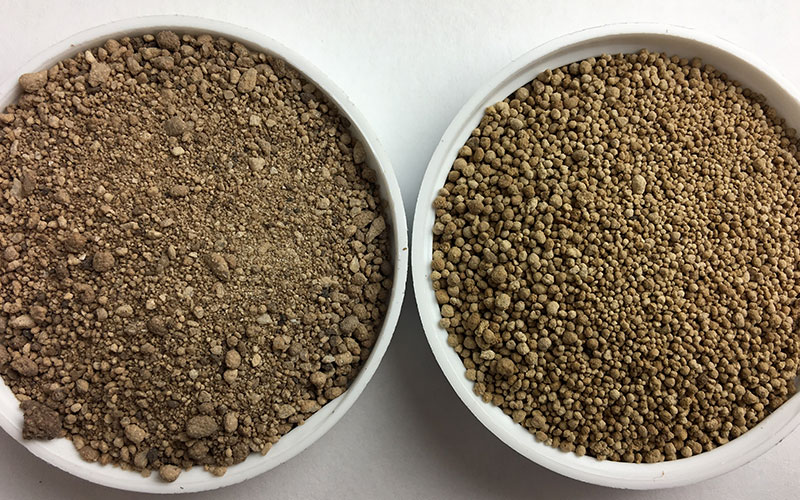
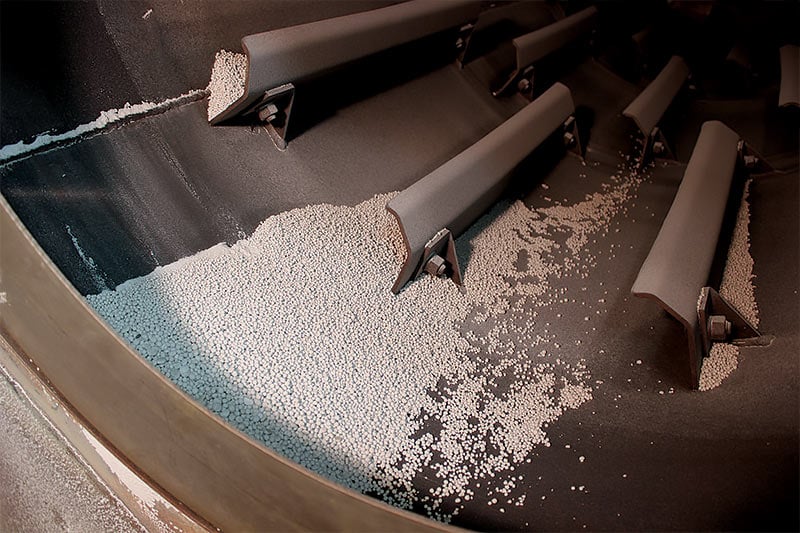
In some settings, the rolling action that occurs in the material bed also imparts a polishing effect on granules, further smoothing and rounding them, making rotary drums a popular choice when drying granular materials such as fertilizers and soil amendments.
Rotary dryers and kilns can run on several different fuel types, with the most common being:
- Fuel oil
- Natural gas/propane
- Waste heat
- Biogas
- Electricity (indirect configurations only)
The need for pretreatment is highly case specific. In general, rotary drums perform best when materials are free-flowing and consistently uniform in both particle size distribution (PSD) and moisture content.
Feedstocks exhibiting wide variation in any parameter may require pretreatment to improve uniformity and flowability. This might include a grinding step, back mixing, or additional moisture reduction before material can be successfully processed in rotary equipment.
Producers using a rotary kiln reliant on maximizing surface area for gas-to-solids contact will also frequently agglomerate their material prior to kiln processing to improve bed permeability.
The need for pretreatment, as well as available options, can be assessed through testing in the FEECO Innovation Center.
De-risking the scale-up process can be done through thermal process development testing in the FEECO Innovation Center.
The Innovation Center is equipped with batch- and pilot-scale dryers and kilns to not only confirm feasibility, but to gather the data necessary for successful scale-up.
Testing allows producers to establish key process data required for full-scale, continuous production, including feed and product flow rates, air volume, and other essential variables.
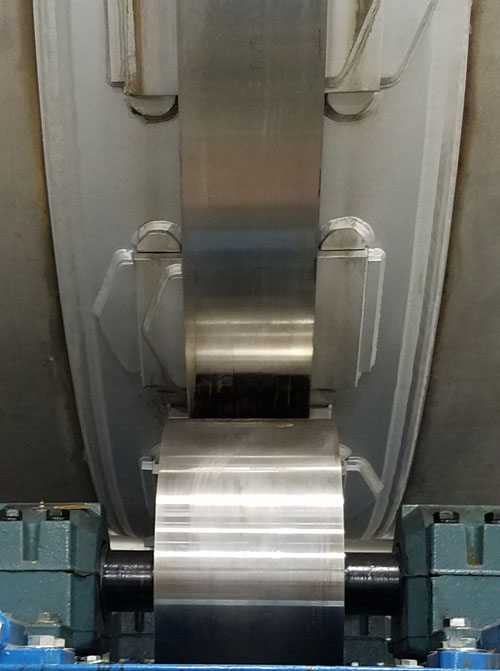
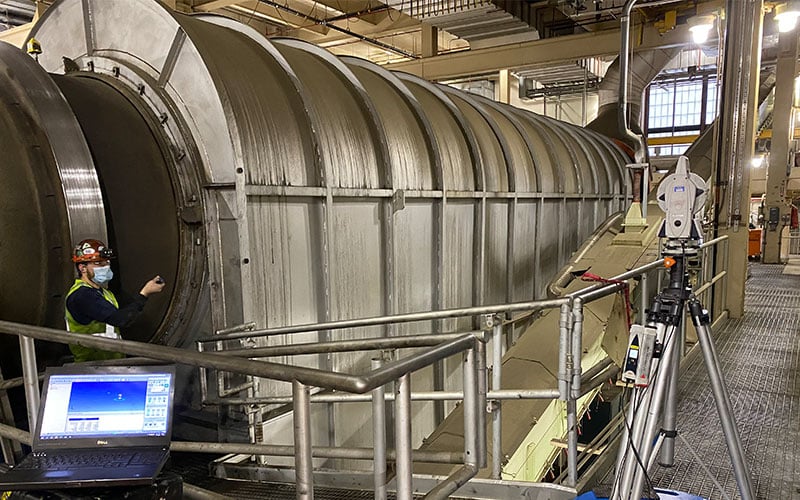
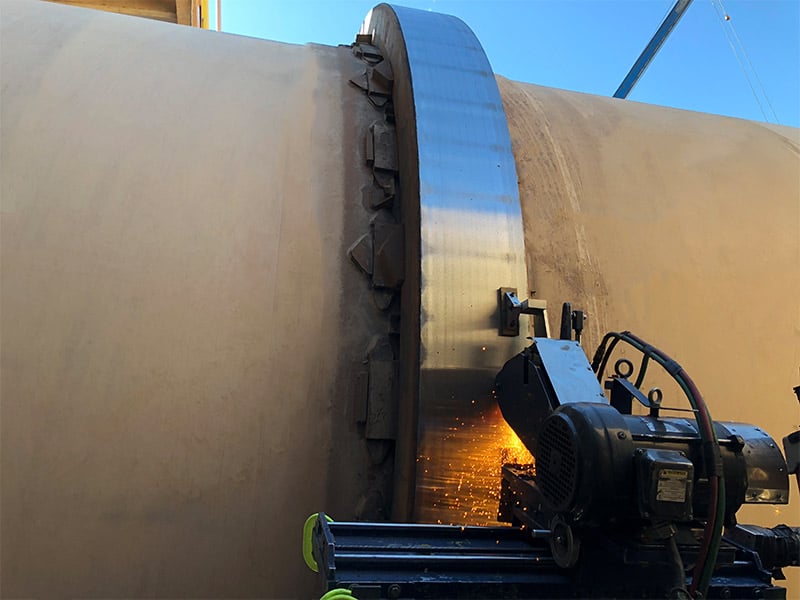
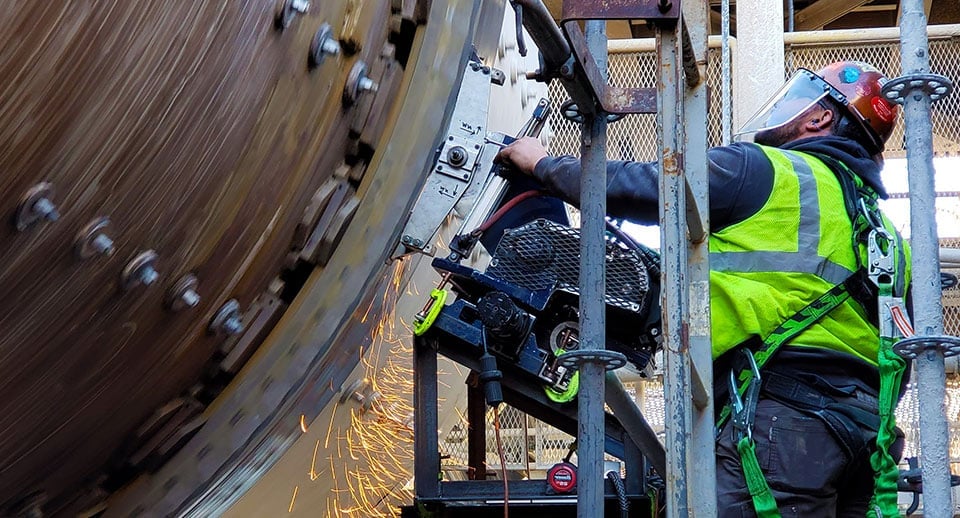
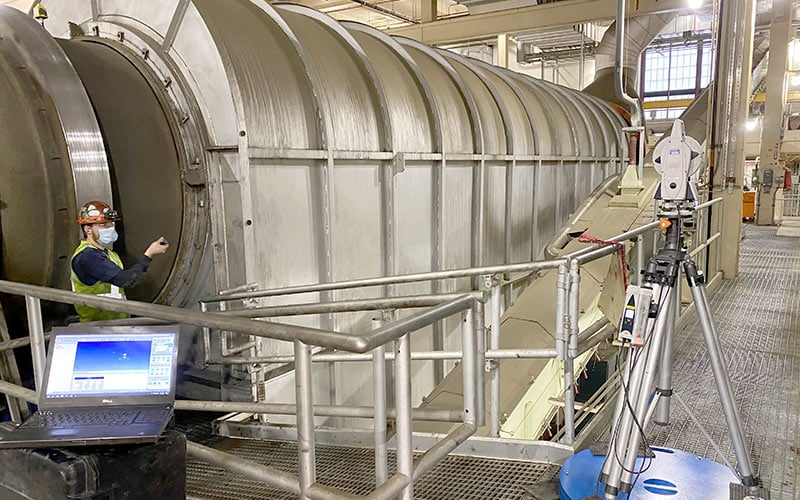
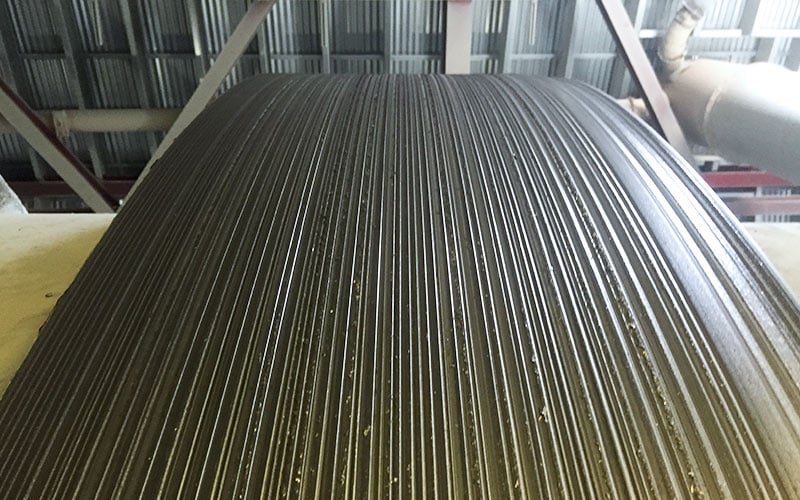
Rotary drum maintenance is specific to each drum’s design and operating conditions. Maintenance requirements generally focus on maintaining proper load distribution and addressing any signs of wear, both of which rely on comprehensive inspection procedures. Beyond proper lubrication to mechanical components, an average drum may require routine realignment, occasional tire and trunnion grinding, regular training (skewing to maintain float), and basic tire mounting assembly upkeep.
Whether a cooling step is required is highly dependent on the application and post-thermal handling. Materials that will move immediately to bagging or storage typically require cooling to maintain product integrity and prevent caking and bacterial formation. Some operations use an immediate cooling step after a kiln to stop a reaction in progress.
The amount of energy a given rotary drum will consume is dependent on several factors, including temperature profiles, moisture content, and residence time. A typical fertilizer dryer, for example, might use 1500 BTU per pound of water evaporated.
Energy consumption can be predicted using a mass and energy balance.
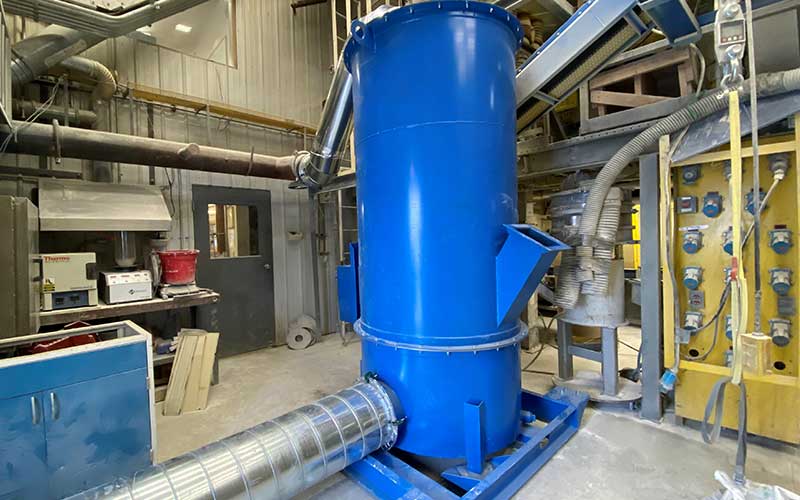
Rotary thermal processing systems require several ancillary pieces of equipment to facilitate material feeding and offtake, as well as off-gas treatment and combustion requirements. This can vary considerably depending on the type of system in use, process goals, regulatory requirements, and the material being processed, but typically entails:
- A burner (direct dryers and kilns only)
- Inlet and outlet conveyors or screw feeders for feeding and offtake
- A baghouse, cyclone or scrubber for removing particulates (direct dryers, coolers, and kilns only)
- Some form of exhaust gas treatment such as a thermal oxidizer (secondary combustion chamber) or a quench tower
- A waste heat recovery boiler, where applicable
- A controls system for managing start-up and shutdown
Yes, the tumbling action that occurs in any type of rotary drum promotes solids mixing. The extent of mixing depends on the type of system in use (dryer or kiln (or cooler), direct or indirect) and the design of internal components.
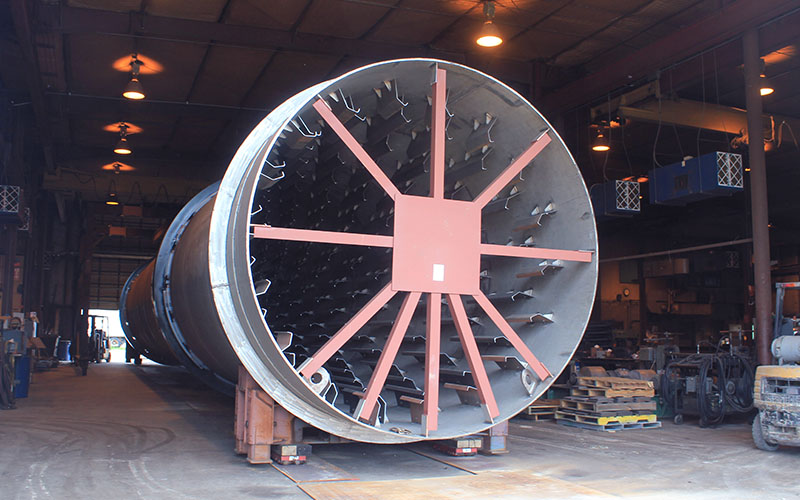
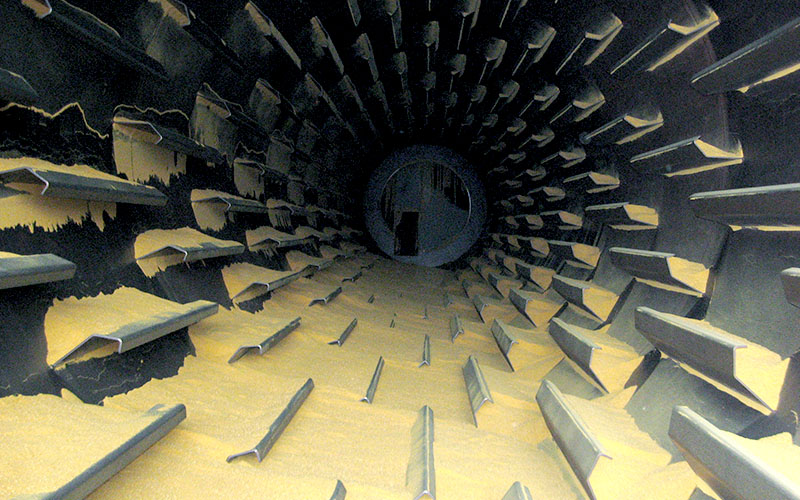
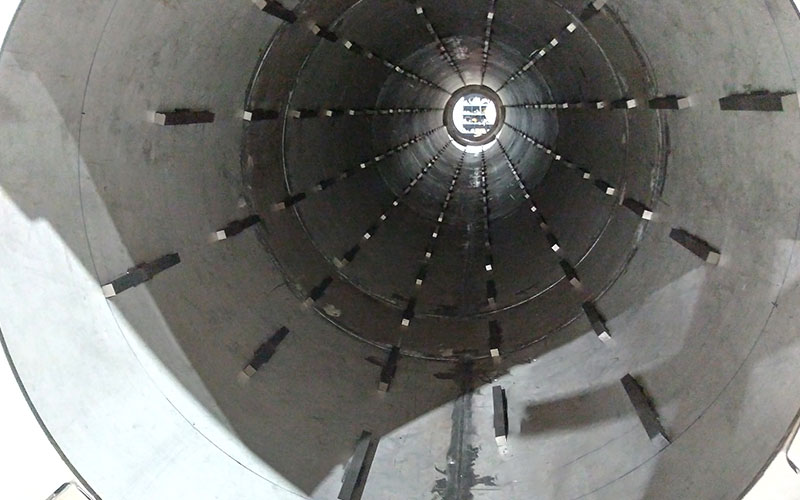
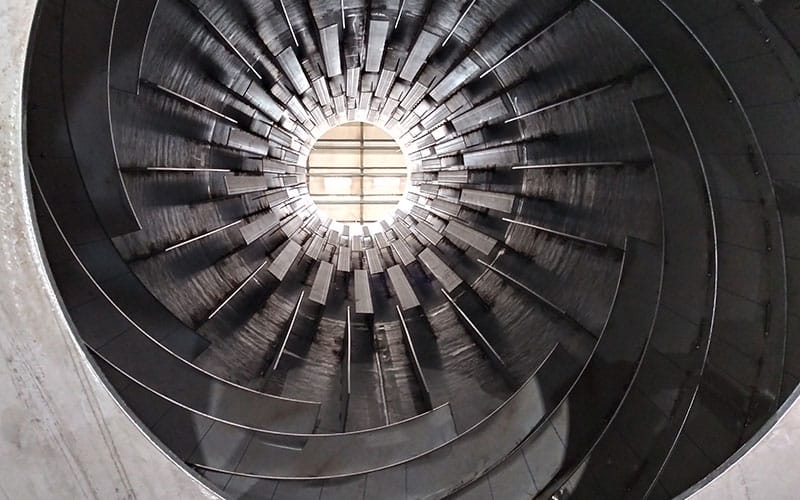
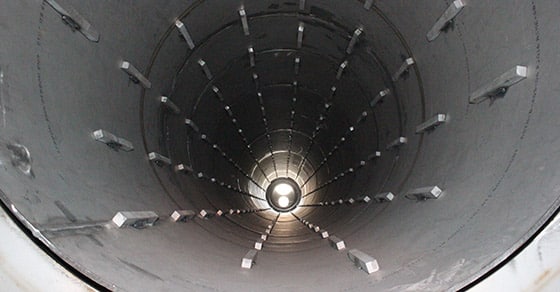
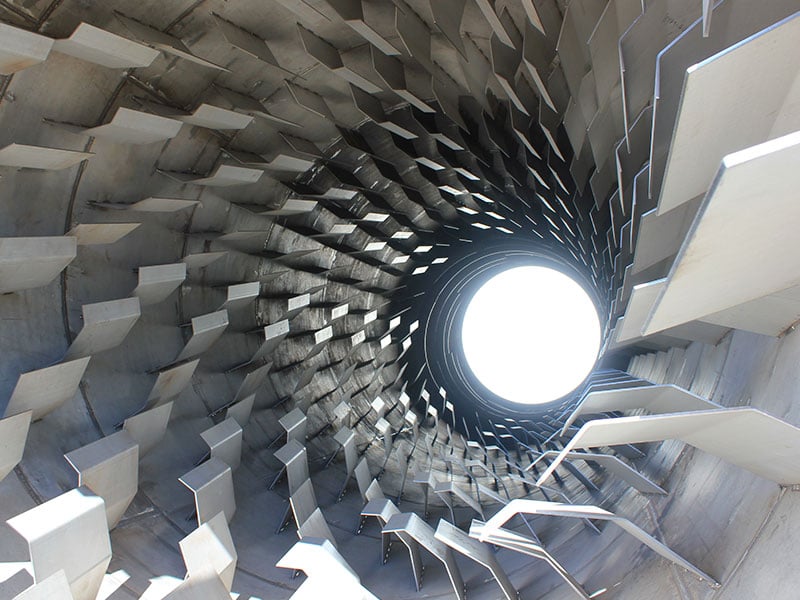
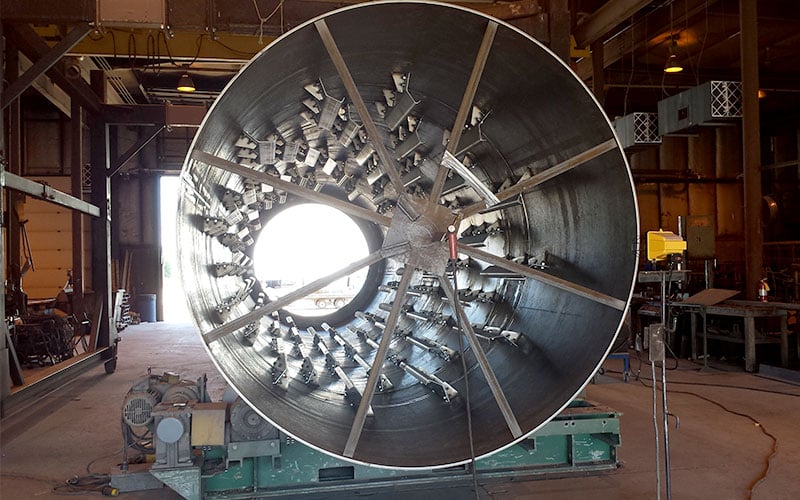
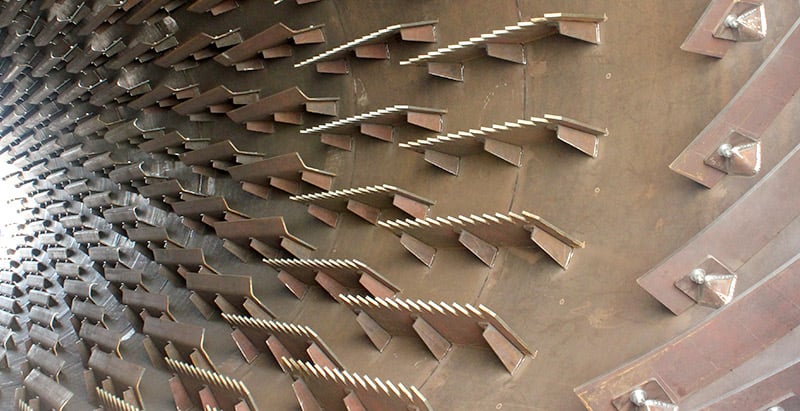
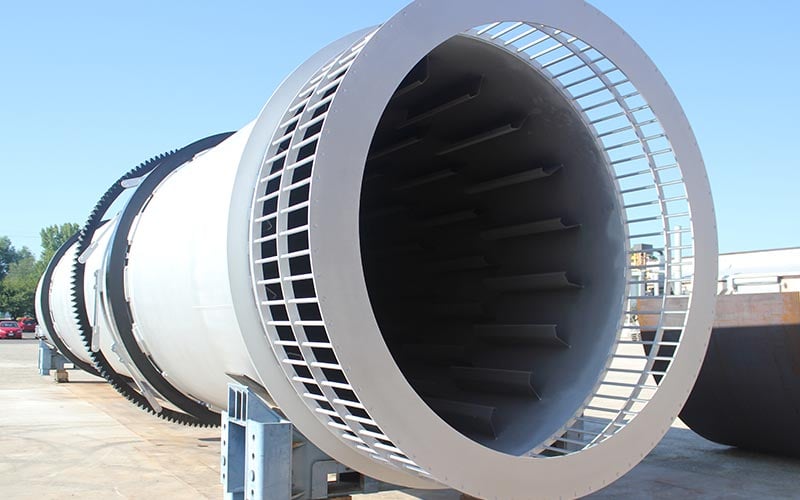
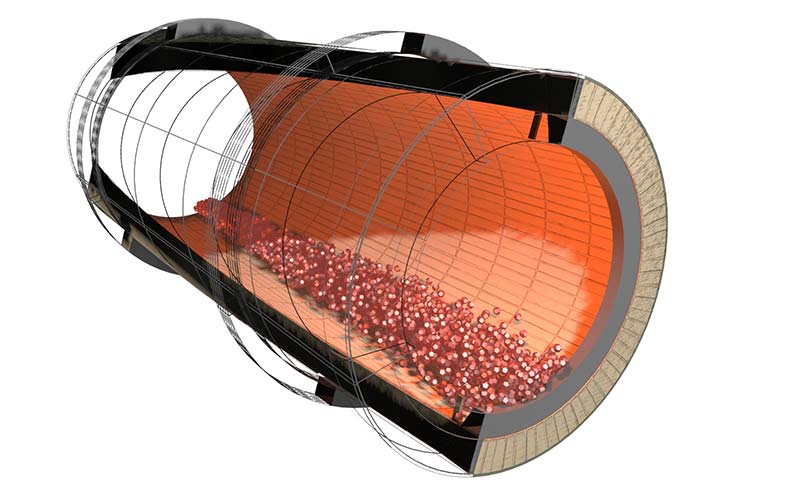
Lifting flights in direct dryers and coolers pick up material and drop it through the stream of combustion gases to maximize heat transfer, inadvertently also mixing the solids.
In kilns and indirect dryers and coolers, in which material slides along the interior wall of the drum, bed disturbers are employed to facilitate the desired amount of mixing.
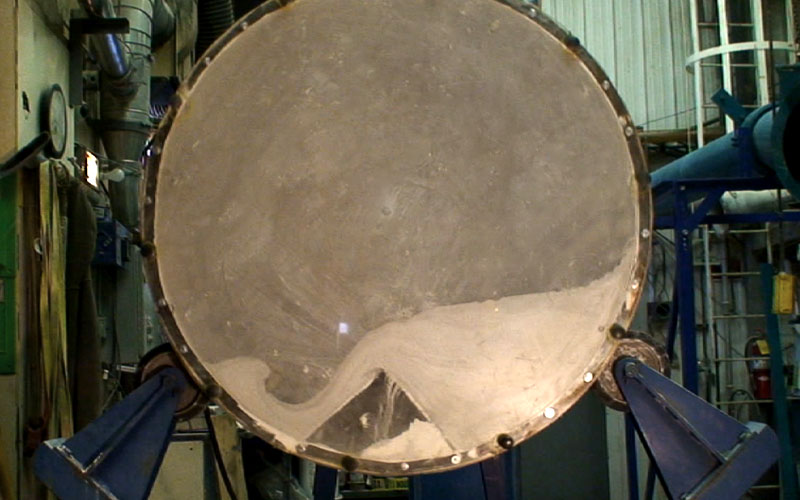
The incorporation of a dam in any type of rotary drum, typically added to increase retention time, also promotes solids mixing, albeit minimal, as material piles up behind and then spills over the dam, redistributing what was on top to the bottom of the bed.
Engineers require a variety of data points to design a rotary thermal processing system:
Material data points:
- Material (chemical composition)
- Bulk density
- Particle size distribution (PSD)
- Specific heat
- Maximum allowable temperature
- Inlet and outlet moisture content
- Material Inlet Temperature
Processing Conditions
- Capacity
- Plant elevation
- Fuel source (and corresponding higher heating value)
- Ambient air temperature
- Reaction temperature(s), where applicable
- Residence time
Configuration
- Direct or indirect
- Co-current or counter-current air flow (direct configurations only)
- Preferred material of construction
The difference between kilns and dryers lies in how much heat is used and what that heat is intended to do.
The terms “dryer” and “kiln” are often mistakenly used interchangeably, but are fundamentally different. While both types of equipment employ heat to reach the desired objective, rotary dryers are used to remove moisture and rotary kilns are used to change the chemical characteristics of the material.
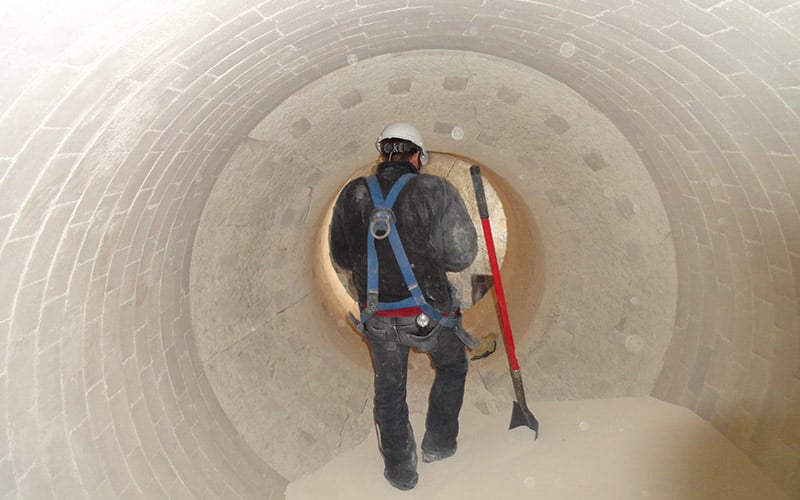
Kilns typically operate at higher temperatures than dryers. The large difference in operating temperatures means that dryers and kilns are designed and constructed to handle different thermal loads, requiring different materials of construction, the use of refractory, and stainless steel.
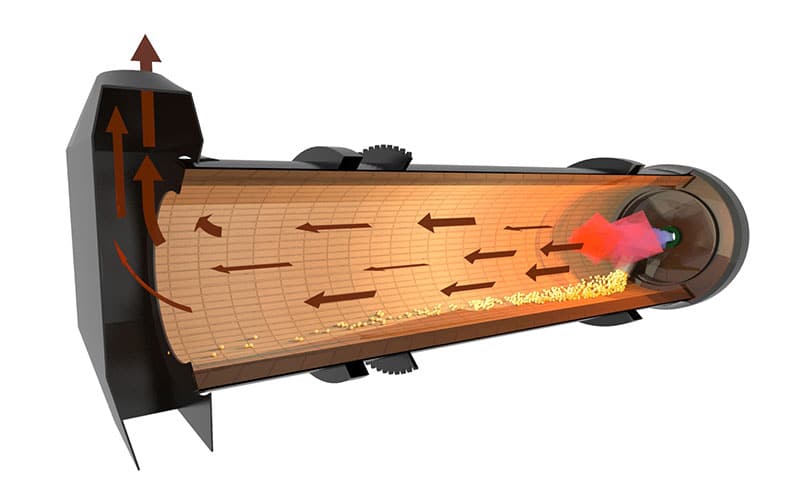
Rotary dryers and kilns can also differ in terms of heat transfer. A direct-fired dryer employs convection when showering material through combustion gases. Material is also heated via conduction through contact with the drum shell.
Rotary kilns typically do not utilize flights due to their much higher temperatures, instead heating material through contact with the shell (conduction) and radiation, though the specific mode(s) in use depends on whether the kiln is direct or indirect.
Technically, a kiln is capable of drying material, but using a kiln for moisture reduction is not recommended in practice, because in most settings, it is extremely inefficient.
Because the use of lifting flights in the high-temperature environment of a rotary kiln is typically impractical, heat transfer occurs instead through contact with the drum shell or refractory (conduction), where applicable, and contact with the hot gasses moving through the kiln (radiation).
As a result, heat transfer is comparably lower than in a rotary dryer, leading to a longer retention time to meet the target moisture content. Accommodating this additional retention time in the kiln would require a much longer drum, significantly increasing system cost.
Even though an additional system is required, it is often more efficient and economically practical to have a dedicated dryer in place for moisture removal prior to the kiln.