
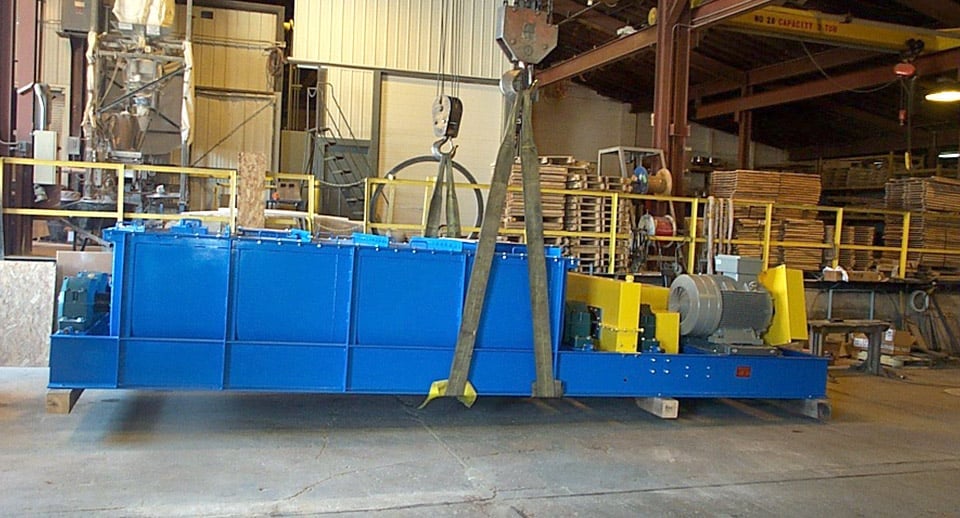
CONTINUOUS PUGMILL MIXERS
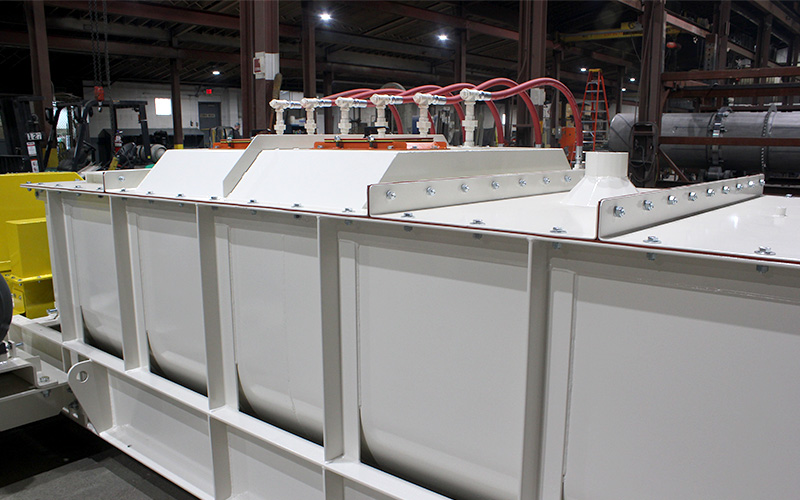
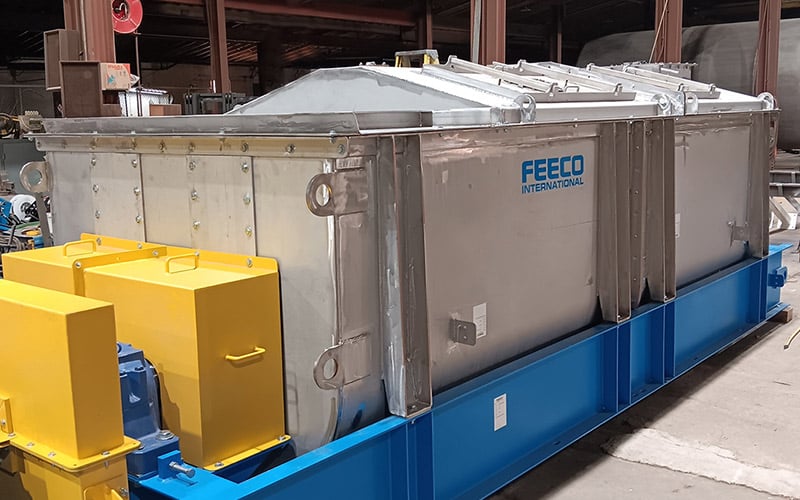
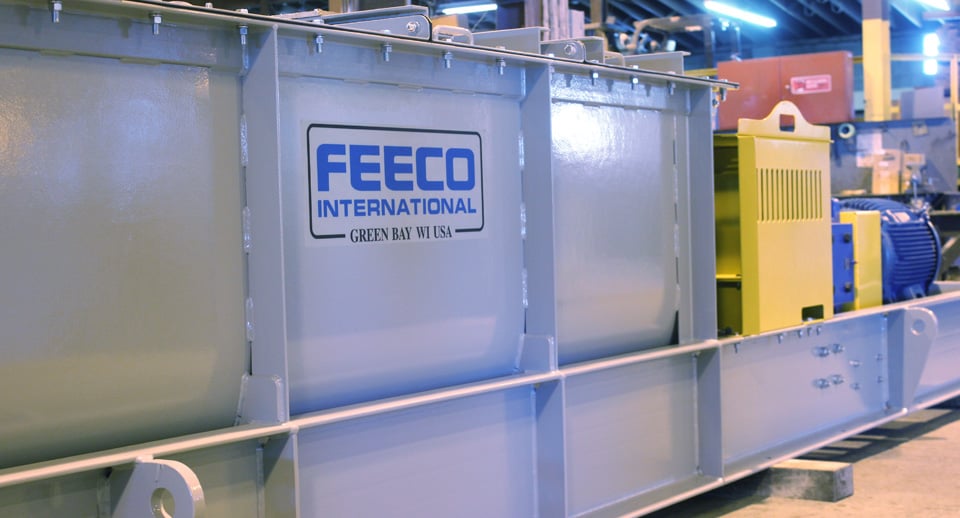
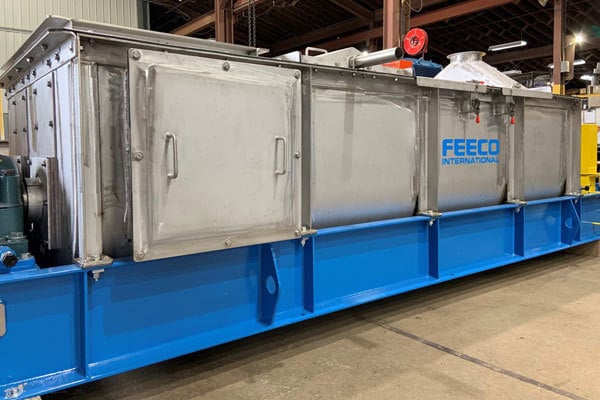
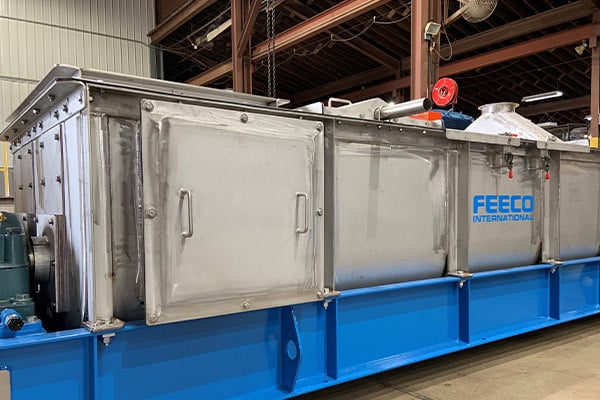
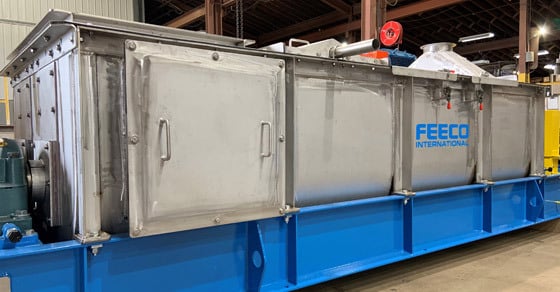
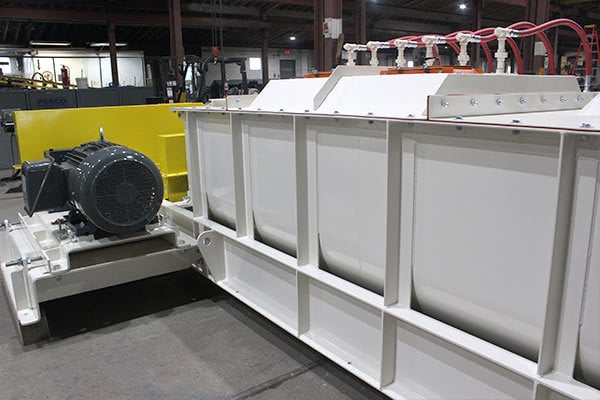
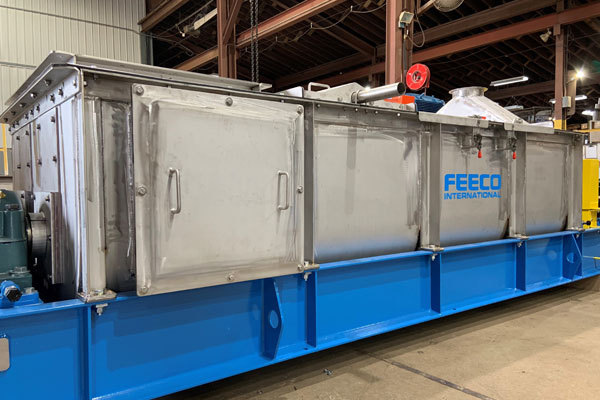
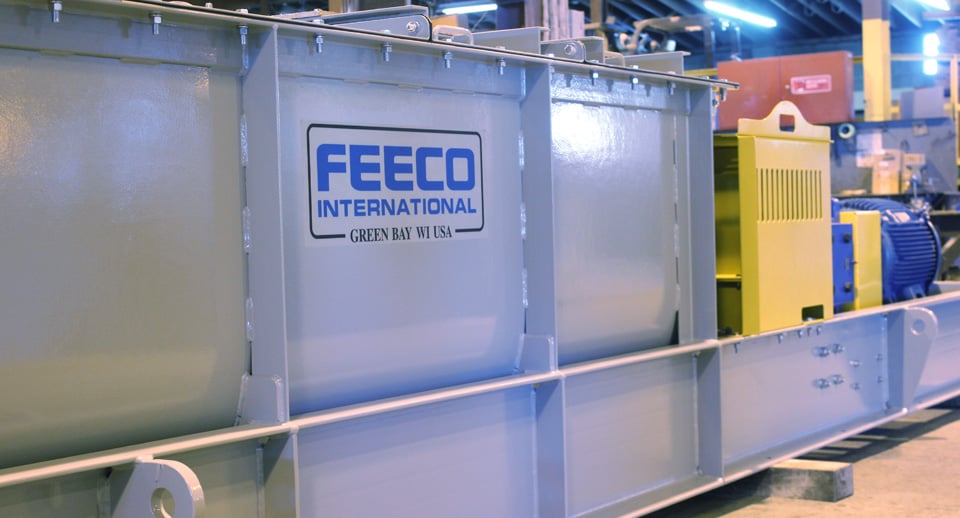
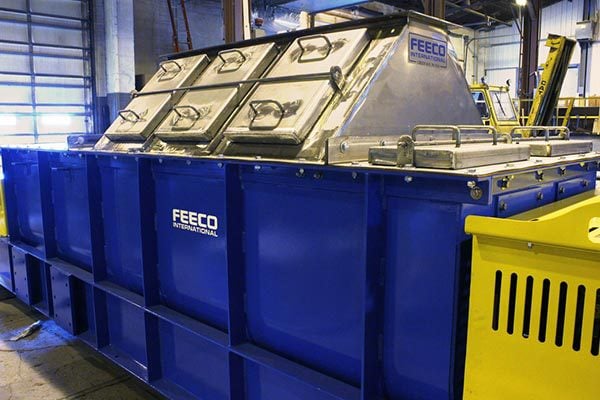
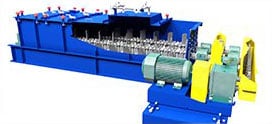
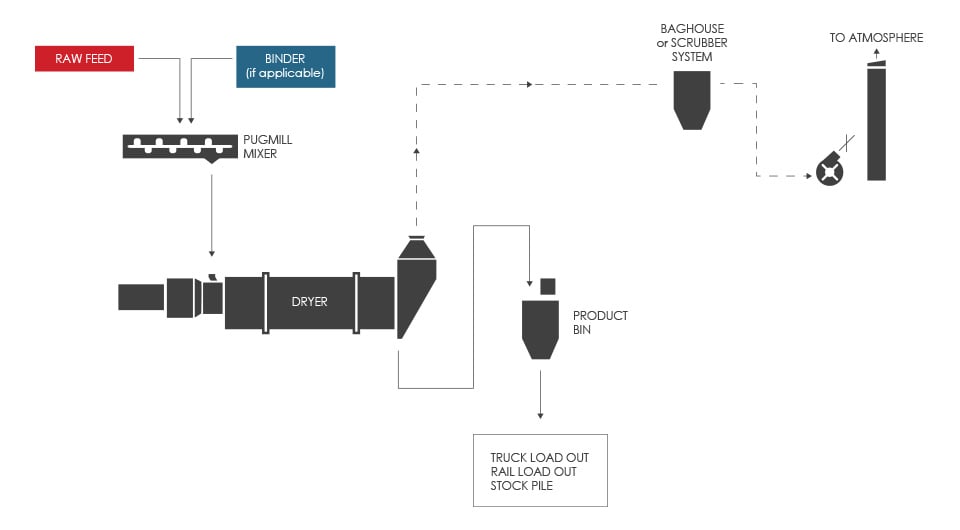
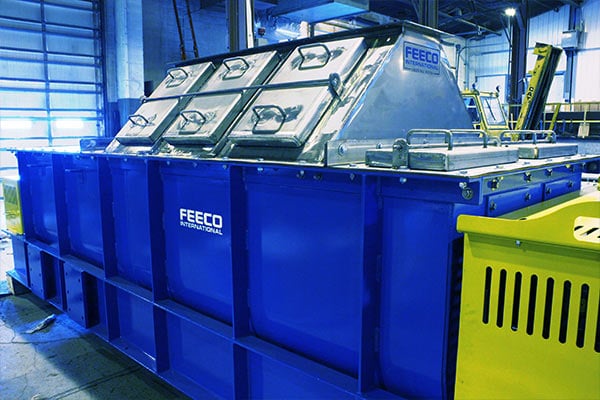
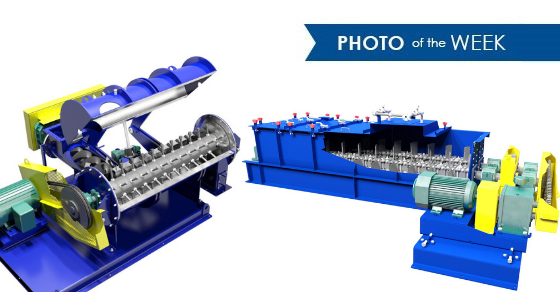
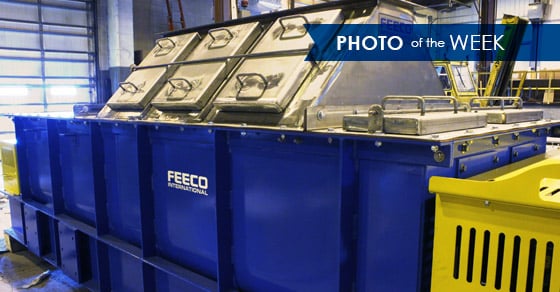
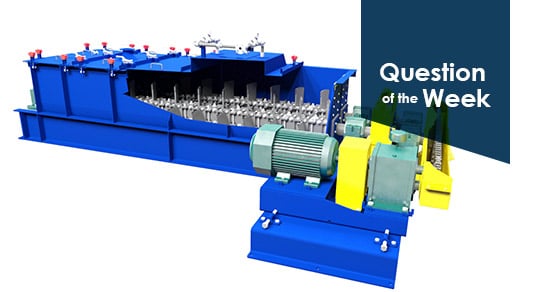
When it comes to industrial mixing applications, FEECO manufactures the industry’s most reputable pugmill mixers, also referred to as paddle mixers. These continuous mixers feature heavy-duty construction, along with their U-type trough design, which makes them an excellent choice for agglomerating, mixing, or conditioning in demanding settings throughout a variety of industries. Pugmill mixers can be used as stand-alone agglomeration equipment, or as a mixing step in a larger agglomeration process utilizing a disc pelletizer or agglomeration drum.
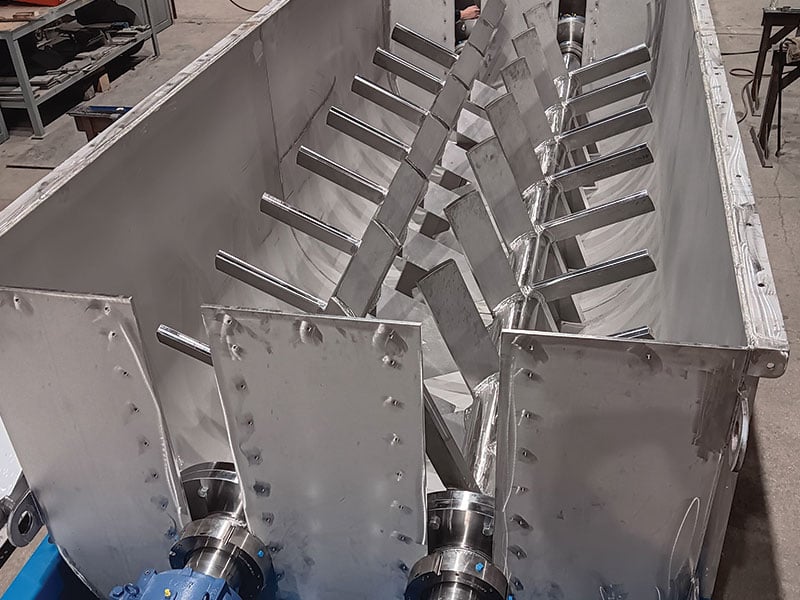
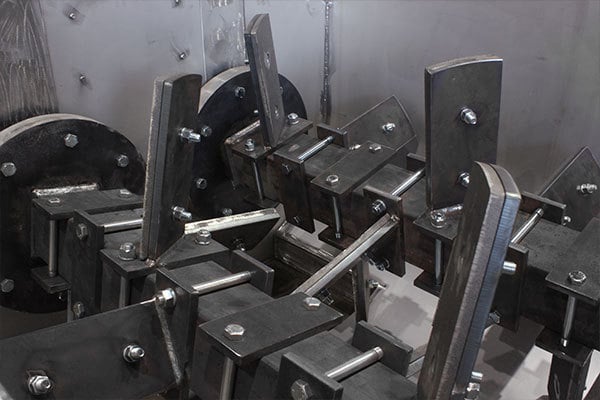
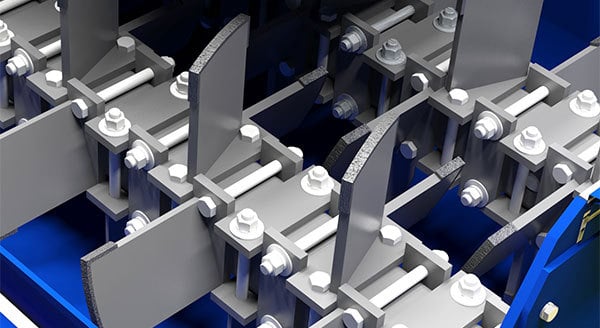
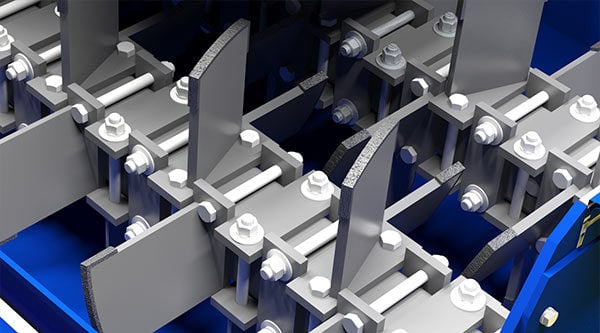
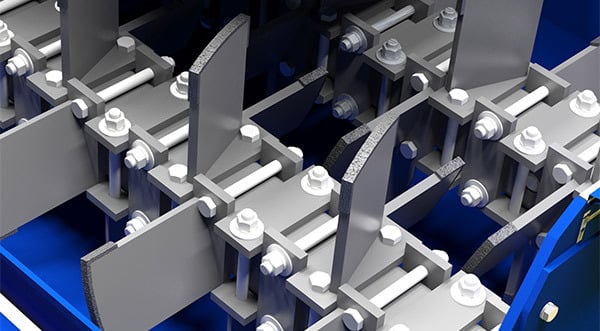
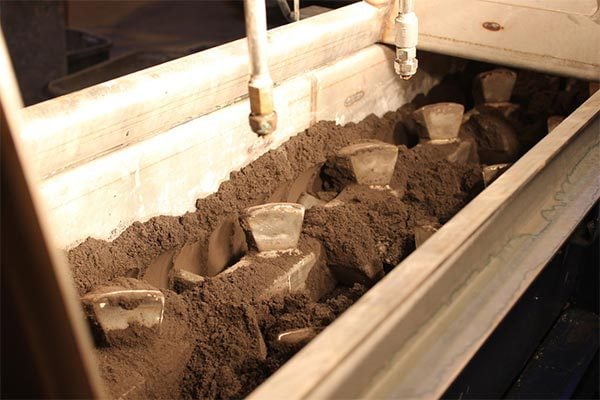
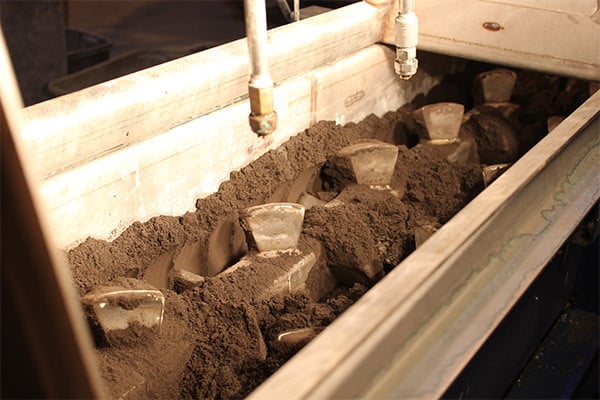
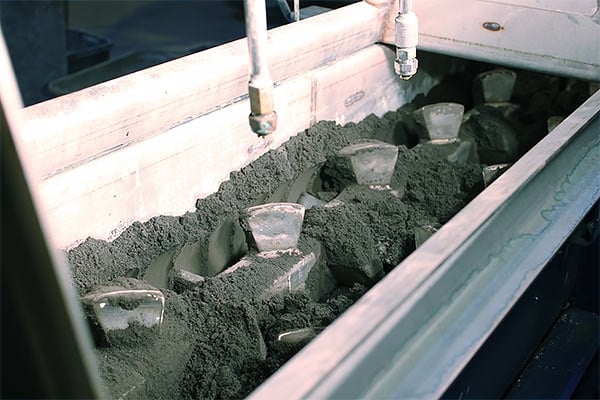
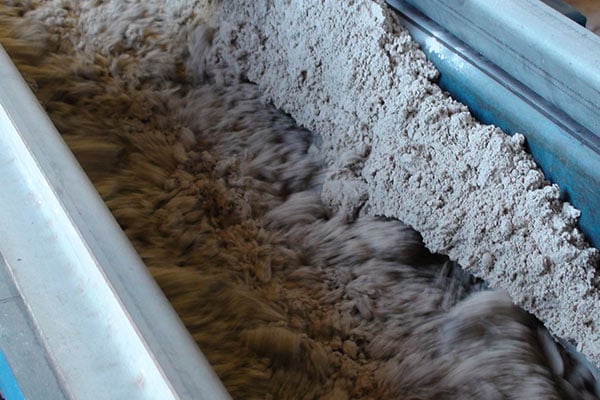
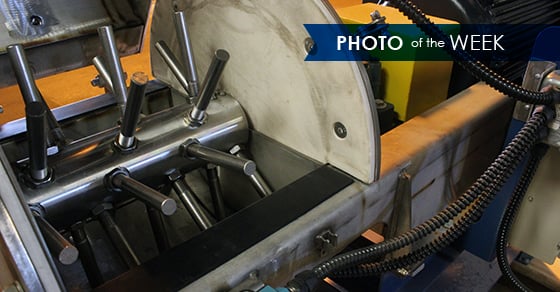
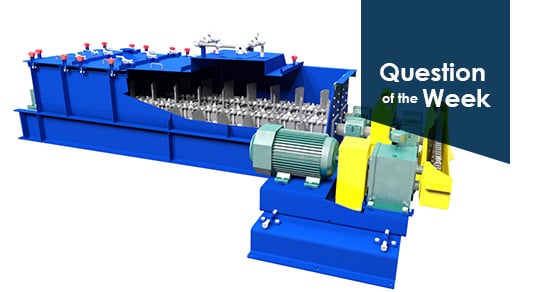
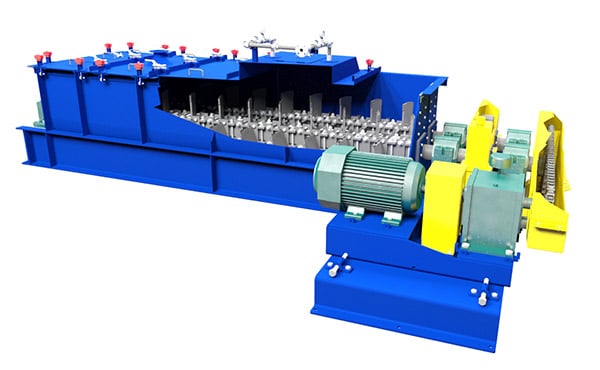
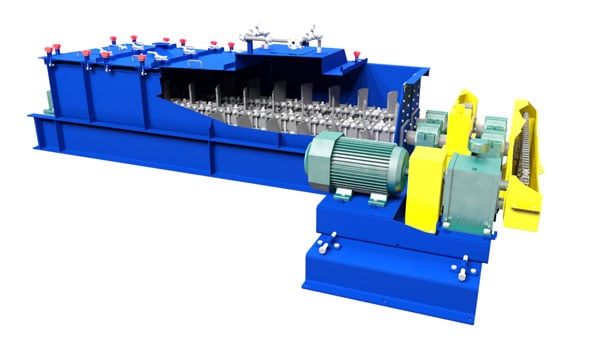
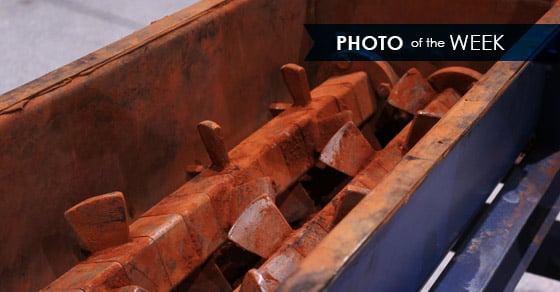
Pugmills utilize dual counter-rotating shafts with pitched paddles to create a kneading and folding-over mixing action inside the trough. Material and binder (when applicable) are continuously fed into the mixer. The action of the pitched paddles moves material from the bottom of the trough, up the middle, and back down the sides to create an intimate mixture of materials during the predetermined retention time.
FEATURES
- Size: 22″ – 78″ (560 – 1,981mm)
- Capacity: 2 TPH – 250 TPH
- Double shaft design for thorough mixing of materials
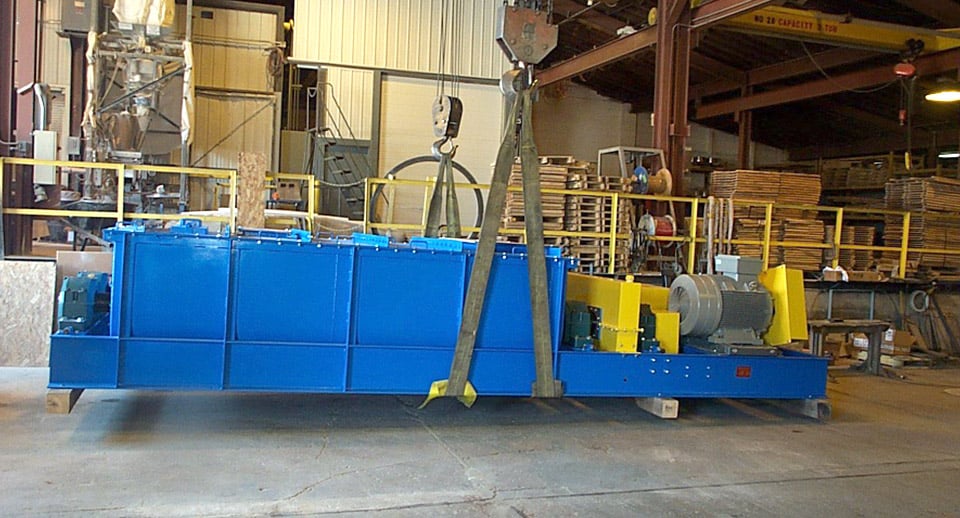
- Heavy-duty construction for years of reliable operation
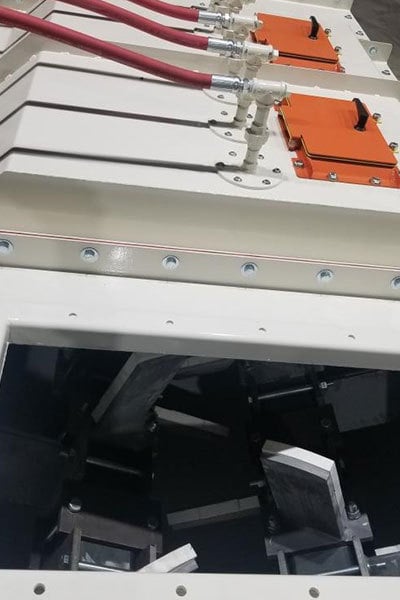
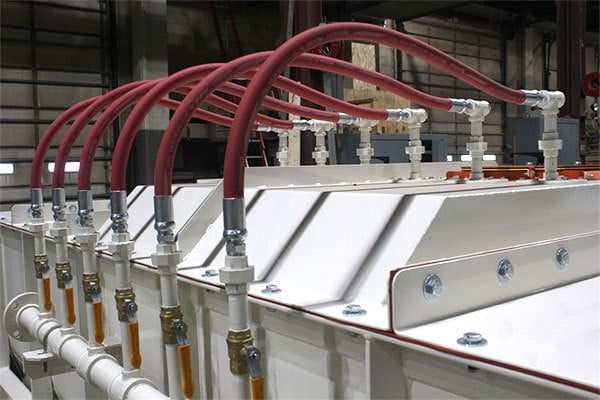
- Binder spray system to accommodate a liquid feed
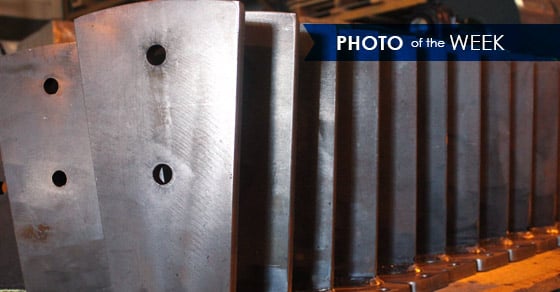
- Options in paddle facings to help prevent wear
- Bottom doors open for cleanout
- Reversible paddles for modifying mixing pattern
Pugmill Mixer Sizing
| TROUGH WIDTH | TROUGH LENGTH | POWER | APPROX. TPH* | |||
| Std (in) | Metric (mm) | Std (ft-in) | Metric (mm) | Std (HP) | Metric (kW) | |
| 22 | 560 | 8′-0″ | 2,440 | 15 | 11 | 10 |
| 33 | 835 | 12′-0″ | 3,655 | 40 | 30 | 20 |
| 42 | 1,065 | 12′-0″ | 3,655 | 50 | 37 | 60 |
| 48 | 1,220 | 12′-0″ | 3,655 | 100 | 75 | 85 |
| 60 | 1,525 | 12′-0″ | 3,655 | 125/150 | 90/110 | 125 |
| 66 | 1,675 | 12′-0″ | 3,655 | 150 | 110 | 160 |
| 72 | 1,830 | 12′-0″ | 3,655 | 200/250 | 150/185 | 190 |
| 78 | 1,980 | 16′-0″ | 4,875 | 200/250 | 150/185 | 240 |
*Capabilities are based upon dry, fluidized material weighing 60 lbs./ft.3 (960 kg/m3)
Optional Components
- Zero Speed Switches
- Mid-Height Cover w/ Spray Assembly
- High Cover w/ Spray Assembly
- Electronic Shock Relay
- Stainless Steel Wetted Parts
- Heat Transfer Jacket
FEECO is capable of meeting the requirements necessary for CE marking equipment.

All FEECO equipment and process systems can be outfitted with the latest in automation controls from Rockwell Automation. The unique combination of proprietary Rockwell Automation controls and software, combined with our extensive experience in process design and enhancements with hundreds of materials provides an unparalleled experience for customers seeking innovative process solutions and equipment. Learn more >>
PUGMILL MIXER COMPONENTS AND PARTS
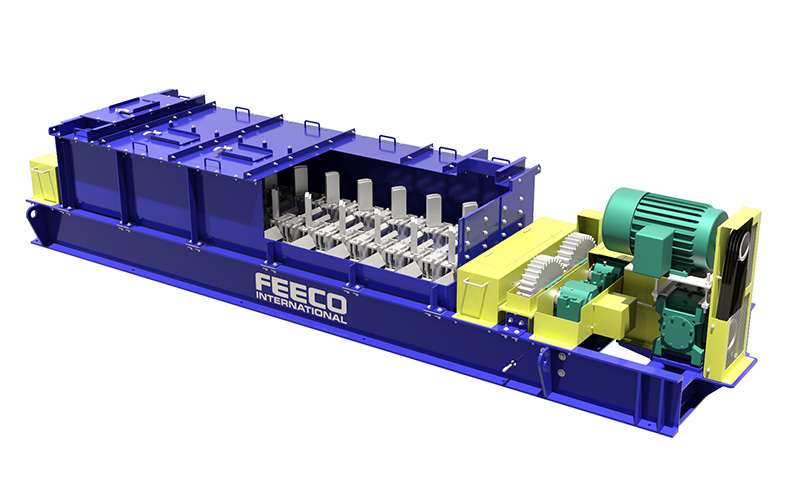
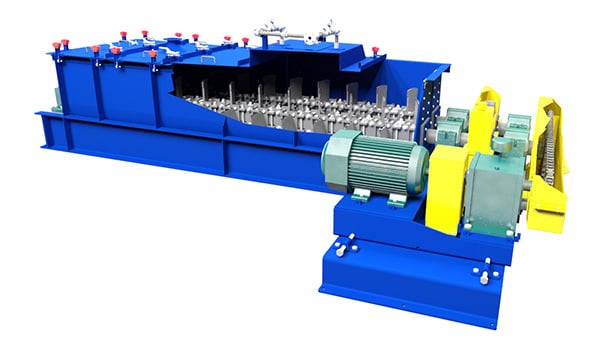
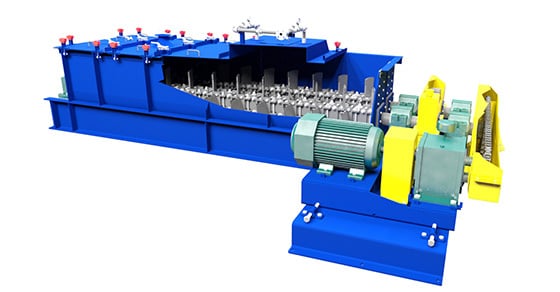
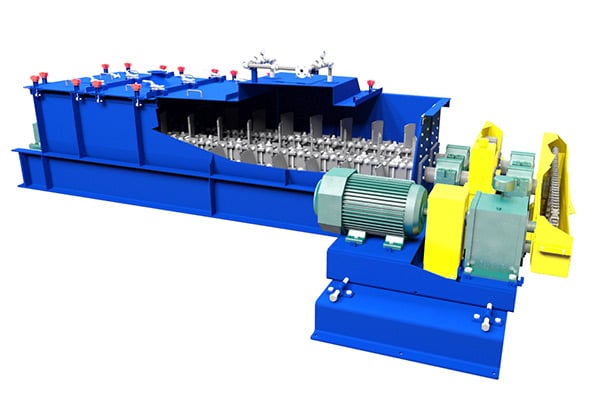
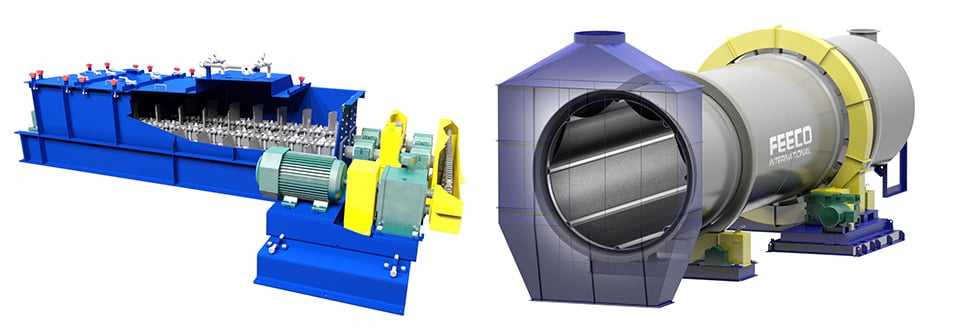
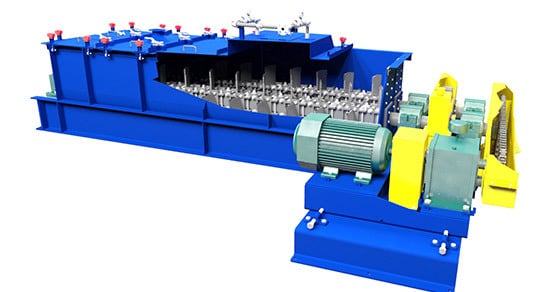
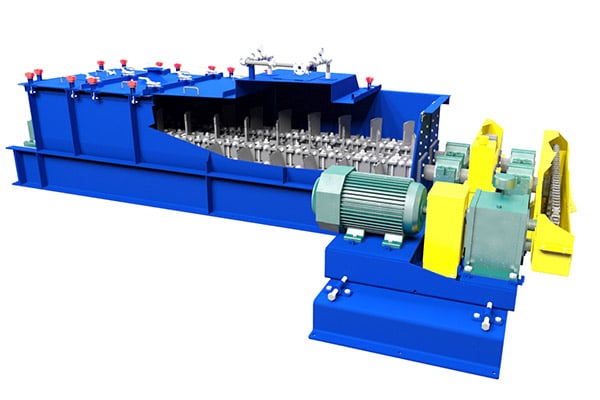
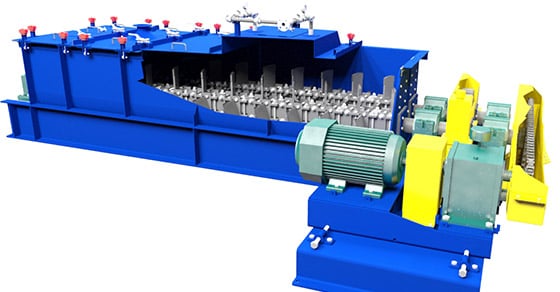
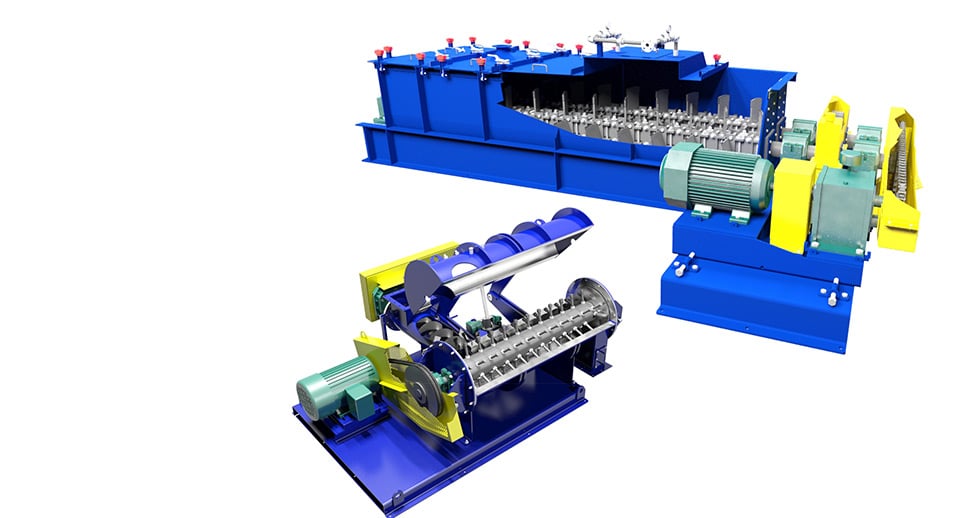
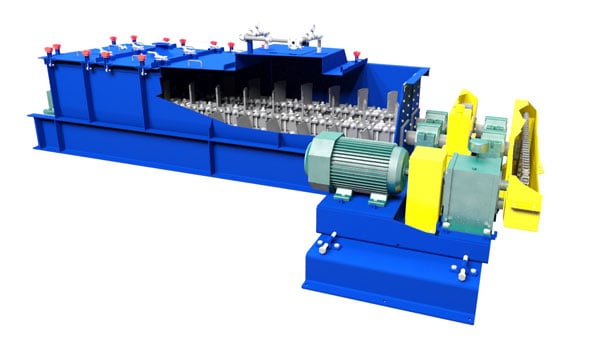
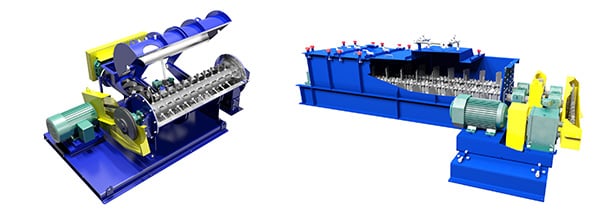
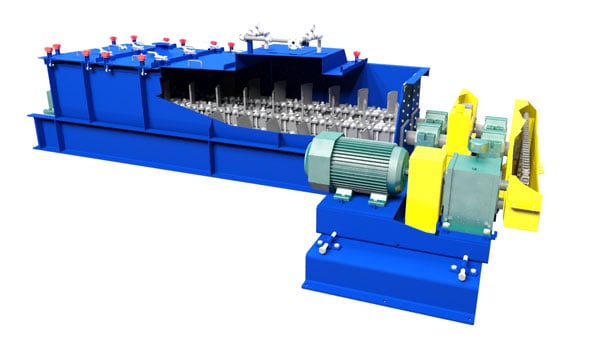
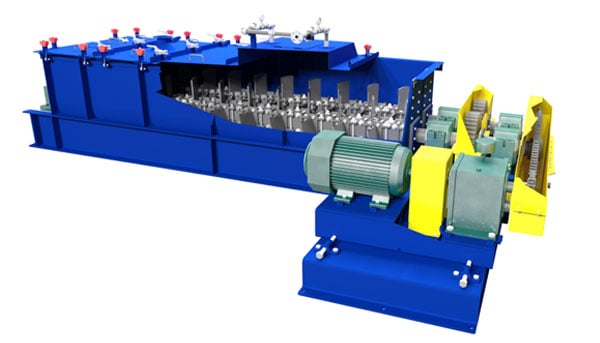
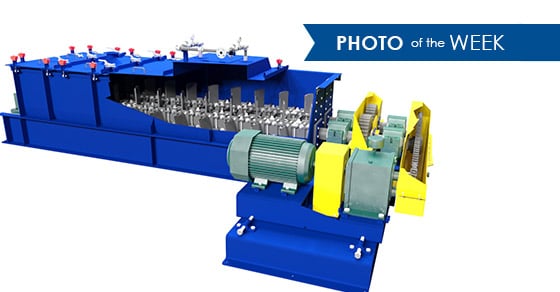
The image below shows the standard components of a pugmill/paddle mixer. Click image to view larger.
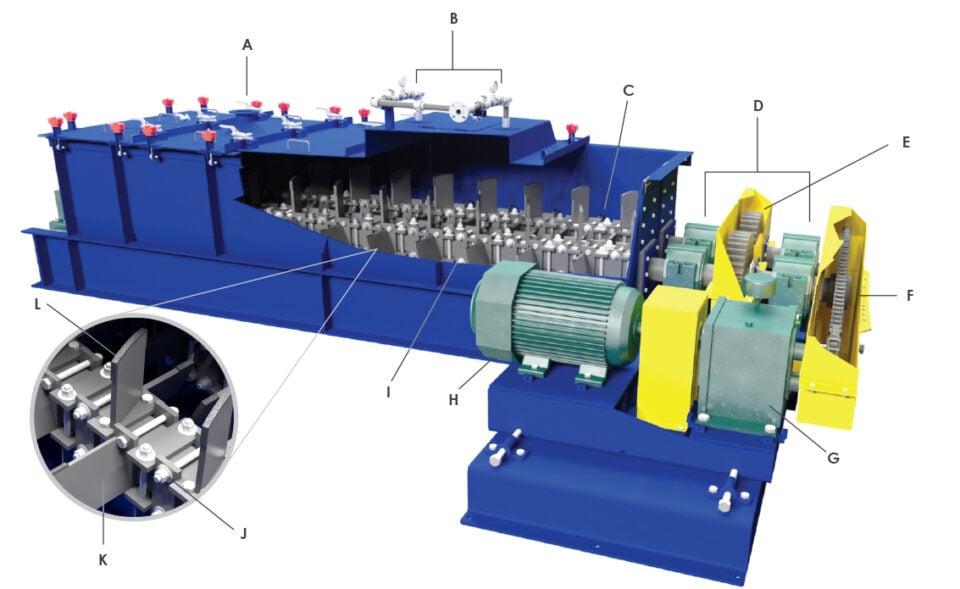
Mechanical Construction of a Pugmill (3D Pugmill Mixer by FEECO International)

A – Spray Nozzle Ports
B – Guard (MSHA guarding available)
C – Pinion Gear Assembly
D – Drive Motor
E – Belt Drive Assembly
F – Gear Reducer
G – Heavy-Duty Roller Bearings
H – Drive Shaft Assembly
I – High-Grade Fasteners
J – Paddle Assembly
K – Hard Facing
APPLICATIONS & MATERIALS
- Mixing and Blending: FGD scrubber sludge, fly ash, and lime for SO2 neutralization, municipal sludge for composting facilities, pigments and dyes, and other processes combining moist and dry feed materials
- Agglomeration and Dedusting: Granulation of agricultural chemicals, fertilizers, chemical consumer products, carbon powders, flue dust from dust collectors, animal feed
- Material Conditioning: Fly ash, cement or lime kiln dust, foundry dust, iron-oxide, friction material waste, lead fume, zinc oxide, copper reverts and concentrates
WHAT CAN AGGLOMERATION DO FOR YOUR MATERIAL?
Agglomeration offers a variety of benefits. Among them, agglomeration allows you to:
- Reduce Volume
- Stabilize Mixtures During Handling
- Eliminate/Reduce Dust Problems
- Control Hardness
- Reduce Packing, Storage and Transport Costs
- Improve Product Performance
- Improve Handling
To learn more about how agglomeration can benefit your material, see Why Agglomerate Your Material.
RESOURCES
PUGMILL MIXER ARTICLES
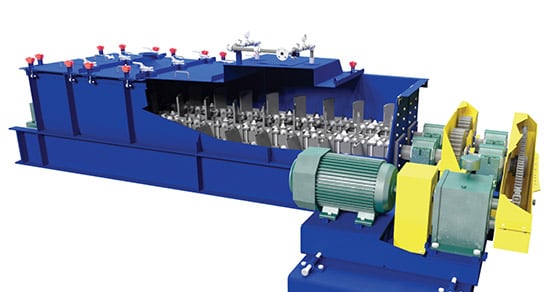
Pugmill Mixer Capabilities Offer Ideal Processing in Key Settings
The pugmill mixer, also commonly referred to as a paddle mixer or pug mill, is widely employed in a variety of …
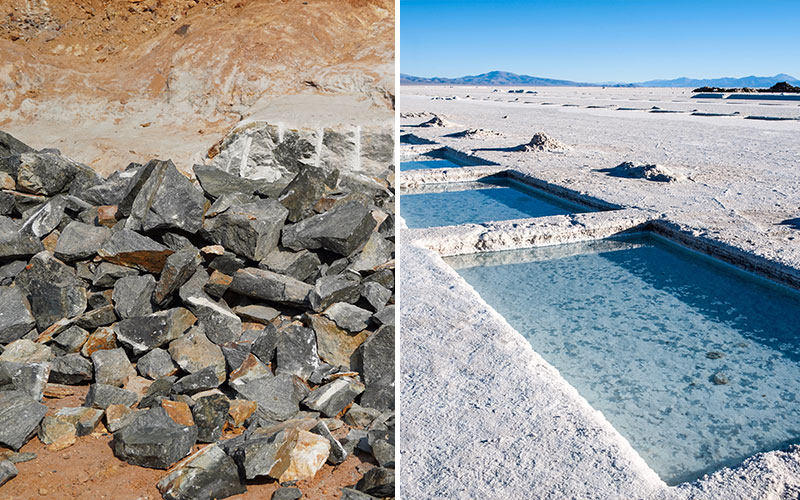
Innovation Center Uniquely Positioned for Lithium Process Development
As demand for lithium continues to surge, the rising use of novel lithium sources, paired with the growing need to maximize …
BROCHURES

Animal Feed Granulation

Agglomeration Brochure
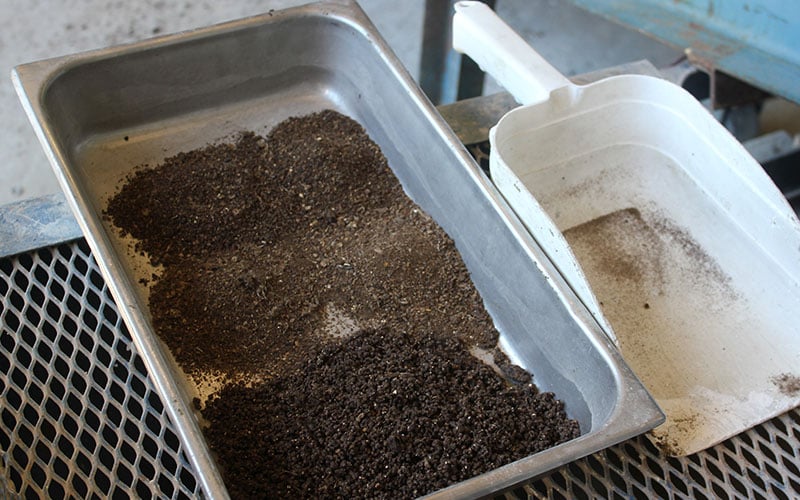
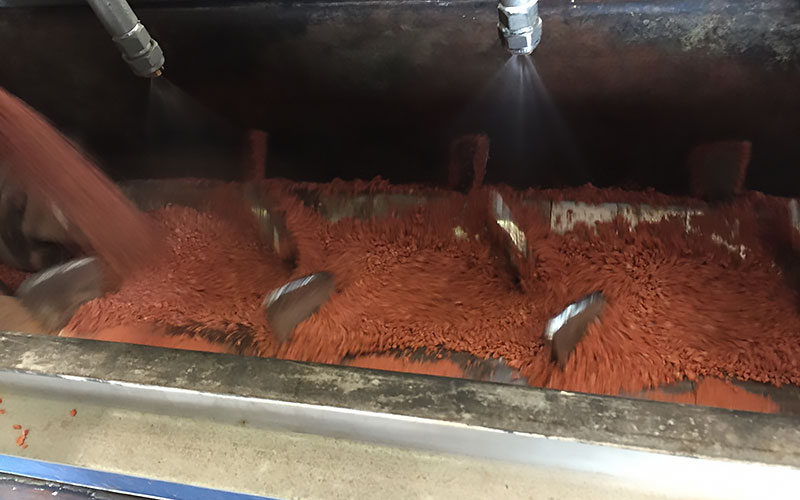
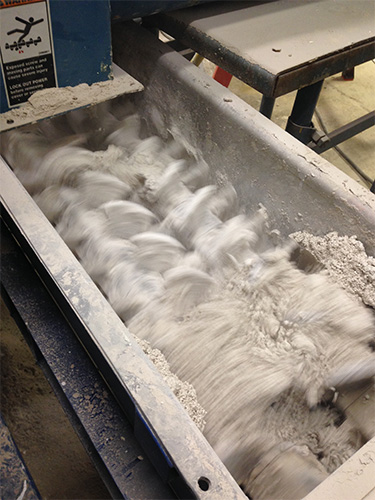





Pugmill Mixer Frequently Asked Questions (FAQs)
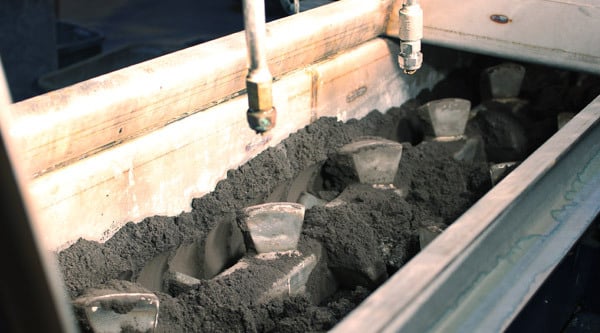
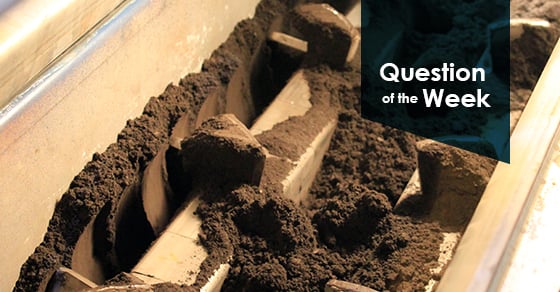
A pugmill mixer works by imparting a kneading-and-folding action on solids as a spray system distributes a liquid binder or additive over the tumbling material bed. The tumbling action combines the solid and liquid feeds to produce a homogeneous mixture.
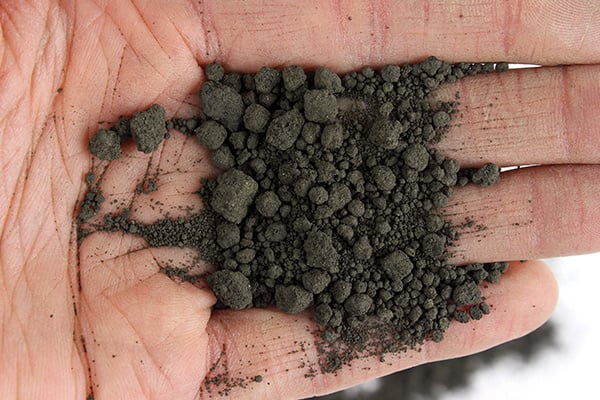
Yes: In addition to mixing liquid and solid feedstocks into a homogeneous mixture and accommodating chemical reactions, the pugmill mixer is also capable of producing granules.
When granulation is desired, production is controlled both by the overall sizing of the unit, as well as the adjustment of process parameters based on the characteristics of the material being processed.
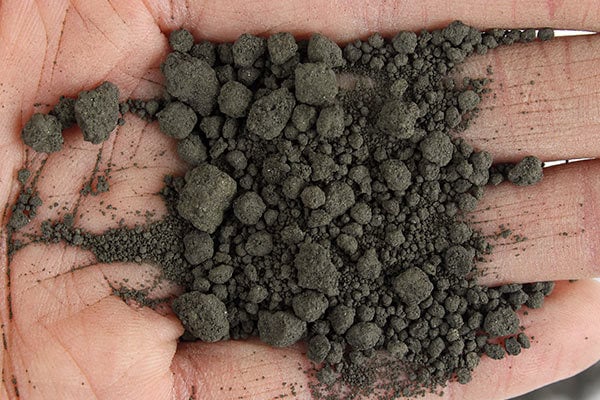
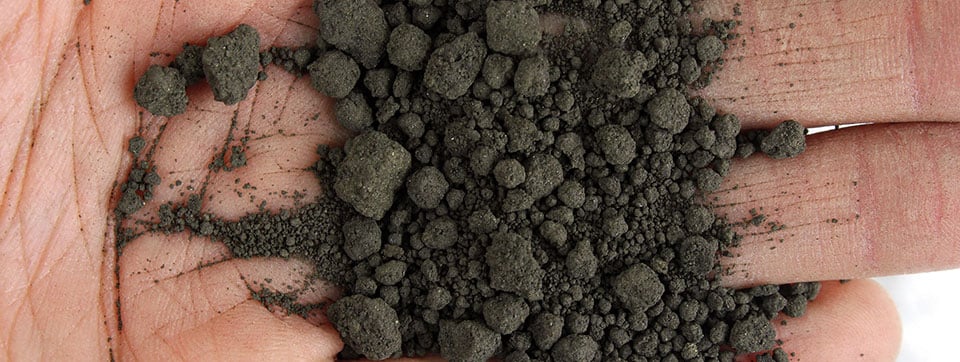
The typical consistency of material exiting the pugmill mixer is rough agglomerates mixed with conditioned/de-dusted fines. However, processing parameters such as binder/liquid spray rate, retention time, and more, can all be used to control the consistency of the material exiting the unit, promoting more or less agglomeration.
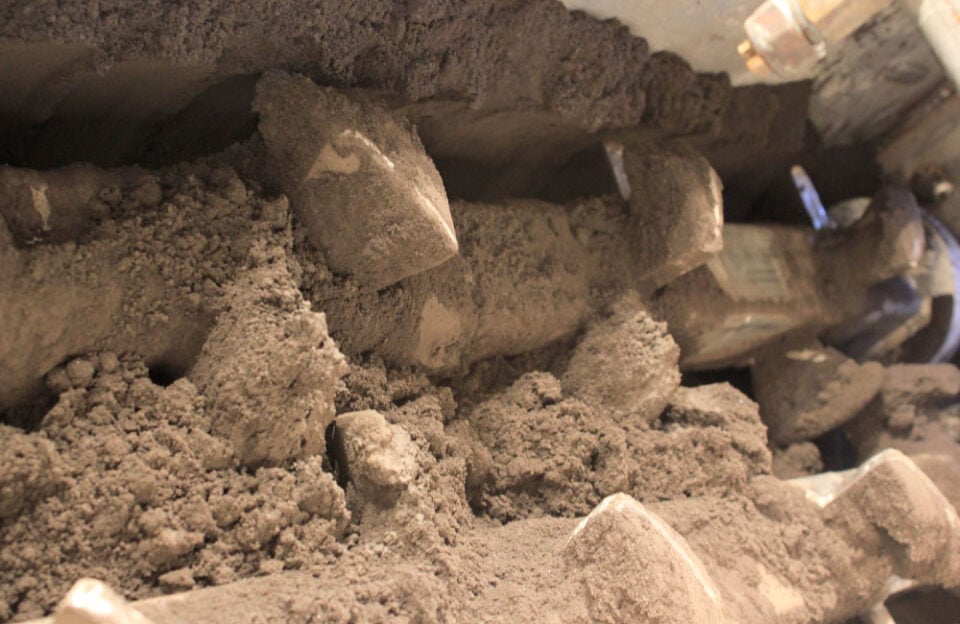
The pugmill mixer uses a high-torque, medium-sheer kneading and folding action. The counter-rotating twin shafts cause material to be “lifted” up between the two shafts and then sent down the sides of the u-shaped trough. In addition to the mixing that occurs as a result of this action, mixing also occurs between paddles as they pass by each other in the center of the mixer.
A “pulling” motion occurs along the trough walls as the shafts rotate that causes material to advance toward the discharge end of the mixer.
A pugmill mixers is a continuous mixer. Some manufacturers may offer them at a batch-processing capacity, but these small-scale mixers are better suited for R&D activities and not commercial-scale production. Continuous units are capable of processing up to 250 TPH.
The main difference between a pugmill and a pin mixer is the motion employed. In contrast to the intense centrifugal motion that occurs in a pin mixer, the kneading and folding action used by the pugmill mixer is still considered medium sheer, but is less intense than the pin mixer. For this reason, granules produced in a pugmill mixer are less dense than those produced in a pin mixer.
Combined with a higher torque, the pugmill mixer’s action is ideal for processing more malleable or sticky materials such as sludge, as well as materials that are highly abrasive, or that consist of large clumps.
In addition to their different mode of action, pugmill mixers are also capable of processing a much higher capacity than pin mixers. They also have a longer retention time, making them better for accommodating chemical reactions.
Pugmill mixers also allow for a bit more flexibility in processing, in that the paddles can be adjusted to modify the mixing pattern.
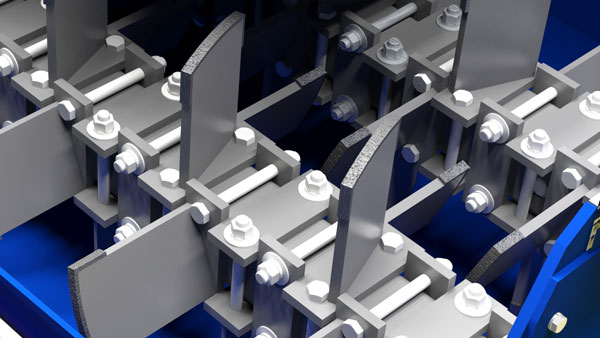
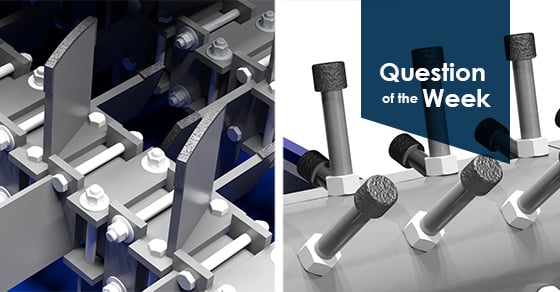
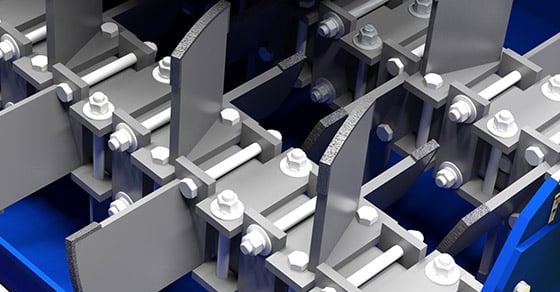
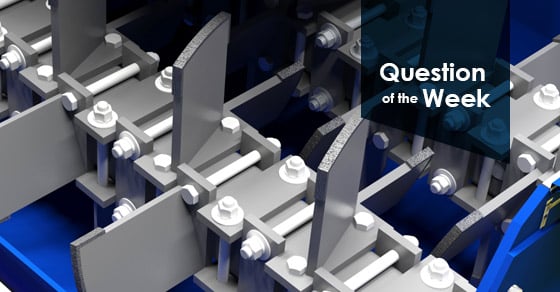
Paddles can be adjusted by swapping paddles in pairs from one shaft to the other, removing one paddle from the right shaft, and replacing it with the same paddle from the left shaft and vice versa. This allows paddles that were previously pushing material toward one end of the mixer to push material toward the opposite end, thereby increasing retention time.
By removing one or more pairs of paddles pushing toward the discharge, retention time can be increased without significantly increasing mixer brake horsepower. Paddles are affixed to the shafts via bolts, making removal and replacement a simple task.
In adjusting paddle arrangement, care must be taken to ensure that the paddles are positioned so that the lined side of the paddle (if applicable) is the side that pushes against the material.
Adjusting paddle arrangement is helpful when a change in operating conditions or feedstock characteristics occurs, allowing operators to modify accordingly.
Achieving the right outcome when adjusting paddles is often a process of trial and error. In addition to the overall arrangement, paddle proximity can be adjusted to bring paddles closer together or push them farther apart. The most common paddle adjustment involves removing or reversing some of the paddles.
A typical retention time for a pugmill mixer is around 60 seconds, with the exact retention time depending on the material’s unique characteristics, as well as the process goals – whether or not granulation is desirable, end product consistency, etc.
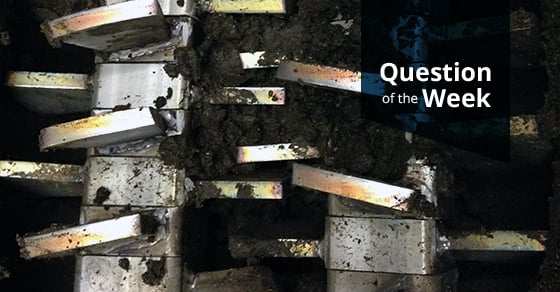
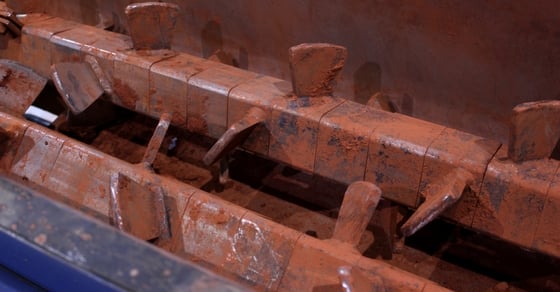
The typical wear items for a pugmill mixer are the paddles, as these experience the most contact with the material. Other components that might require replacement throughout the mixer’s life due to wear include:
- Seals
- Pinions
- Shafts
- Sprockets and drive chain
The benefits of a double-shaft pugmill mixer over a single-shaft mixer include more thorough mixing, resulting in a more homogeneous mixture. The intimate contact created between particles that results from the counter-rotating shafts also promotes a more complete reaction where applicable.
While some manufacturers offer single-shaft pugmill mixers, all FEECO pugmill mixers are of the dual-shaft design.
Determining whether a pugmill mixer is the best fit for a given application is often best established through testing in a facility such as the FEECO Innovation Center, though in many cases, the manufacturer’s experience may inform the decision.
While pugmill mixers provide an excellent processing solution for many materials, they are not a fit for all applications. They are generally used in settings requiring heavy-duty mixing. The specific characteristics of the feedstock, as well as the desired end product parameters and process goals ultimately determine the best solution.