
FEECO COATING DRUMS
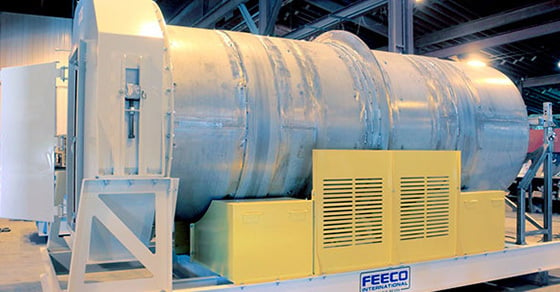
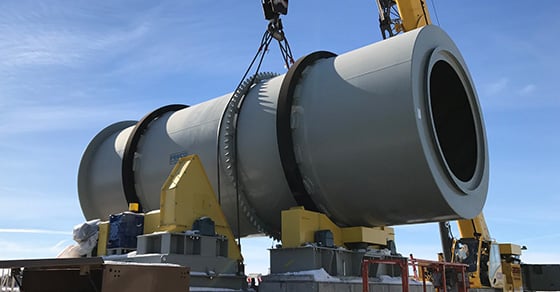
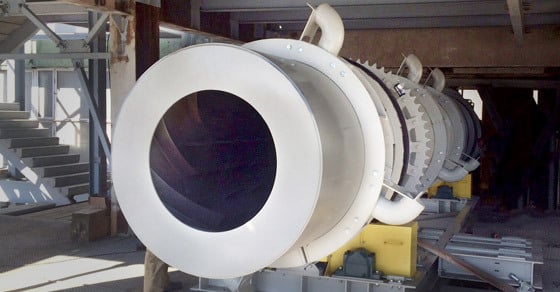
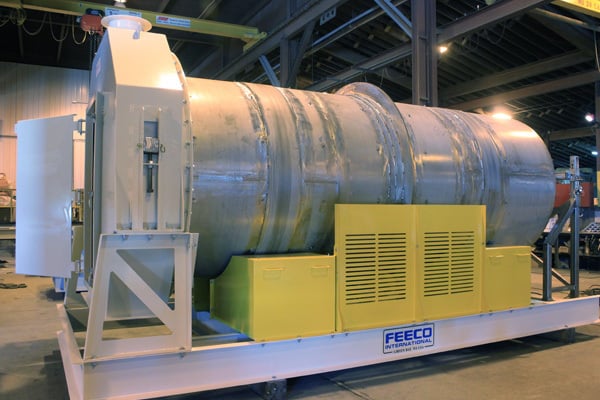
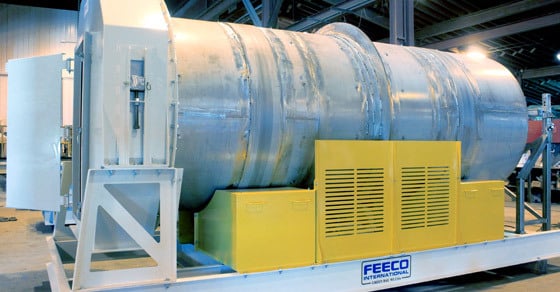
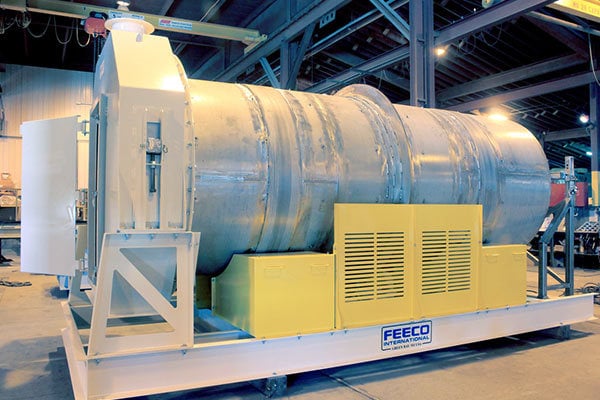
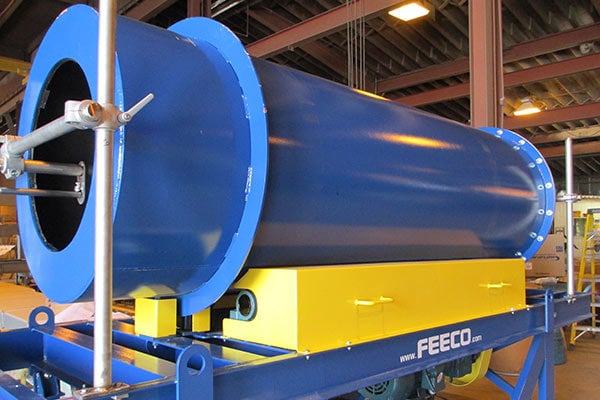
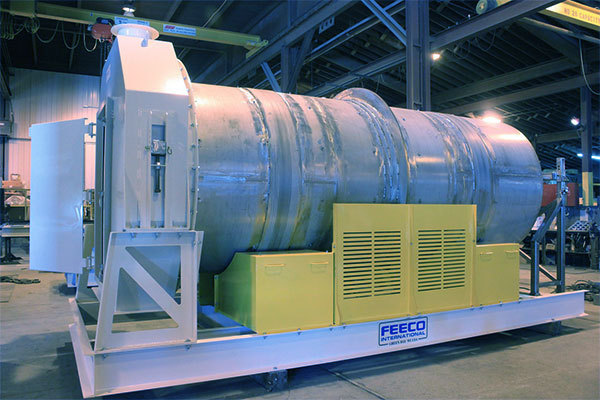
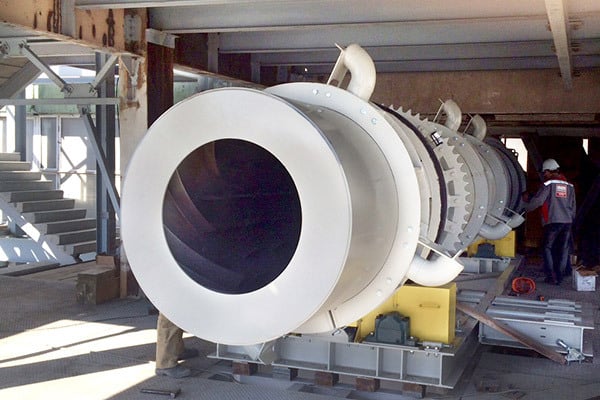
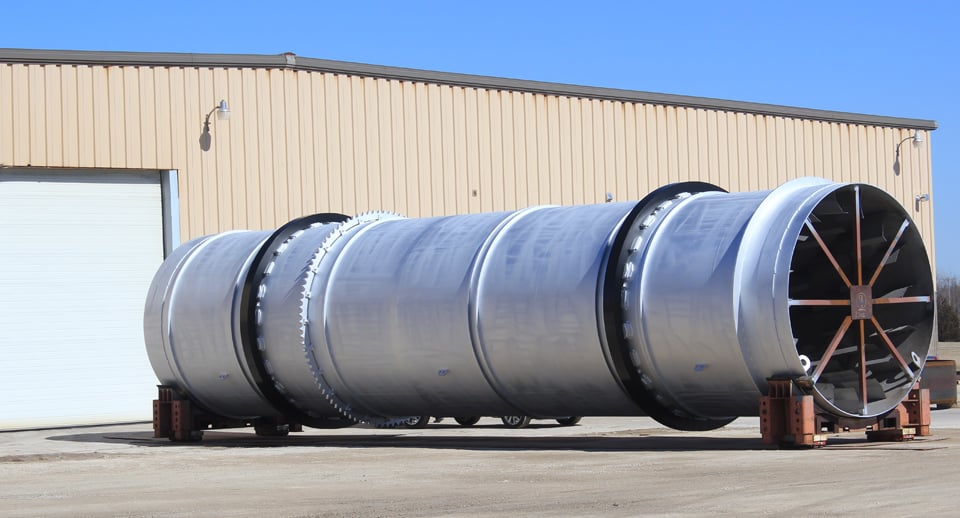
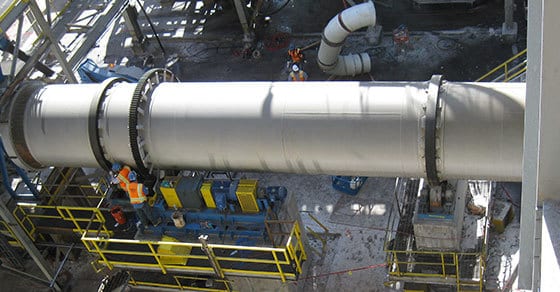
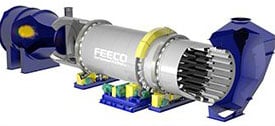
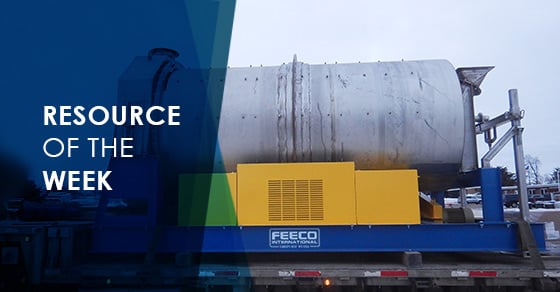
Coating drums are used in a variety of industries to perform particle coating applications in order to improve product characteristics. FEECO offers custom coating drums both as a single piece of equipment and as part of a complete agglomeration or granulation process.

FEECO is capable of meeting the requirements necessary for CE marking equipment.

All FEECO equipment and process systems can be outfitted with the latest in automation controls from Rockwell Automation. The unique combination of proprietary Rockwell Automation controls and software, combined with our extensive experience in process design and enhancements with hundreds of materials provides an unparalleled experience for customers seeking innovative process solutions and equipment. Learn more >>
COATING DRUM FEATURES
- Heavy-duty construction
- Continuously operating
- Custom design
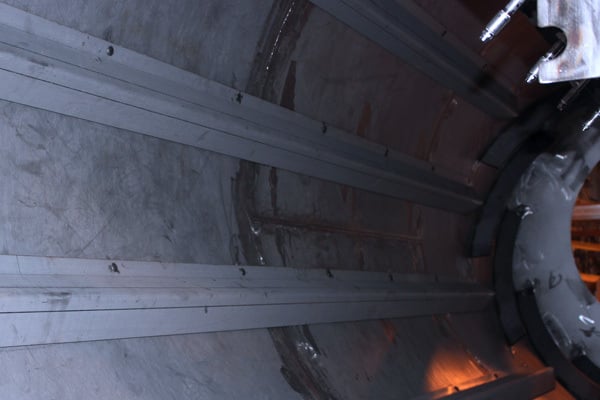
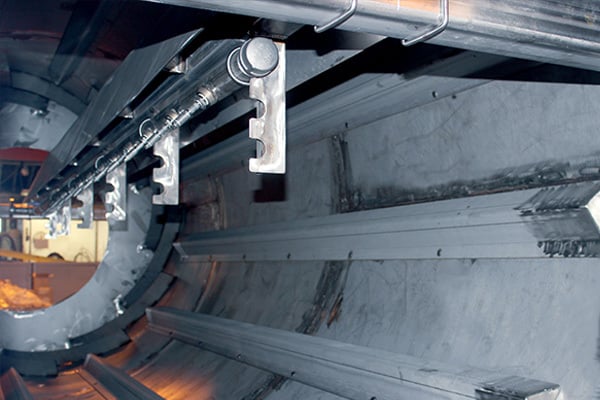
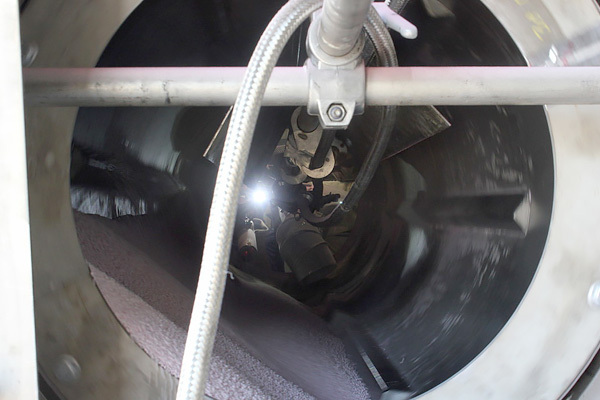
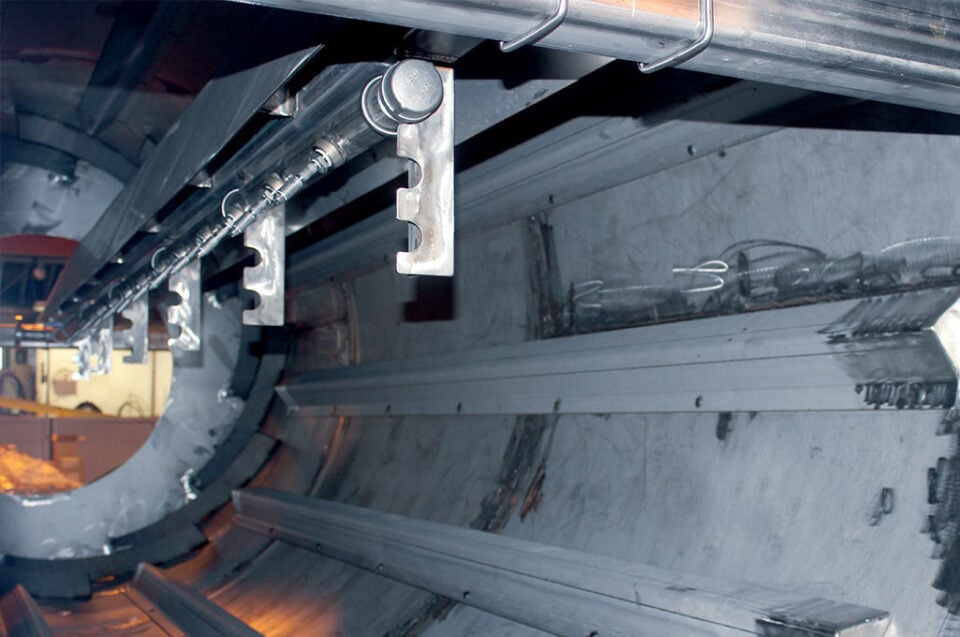
- Internal flights/Bed disturbers for improved agitation
- Can accommodate various coating types, including liquid, powder, slurries, and melts
- Designed to promote uniform coating of particles
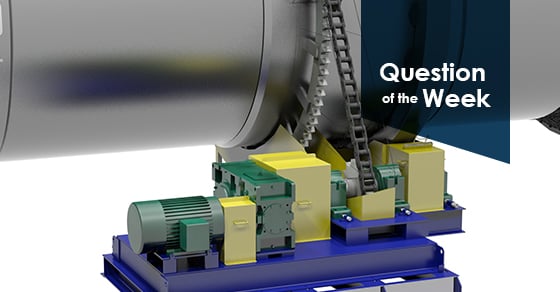
- Various Drive Assemblies Available
COATING DRUM COMPONENTS AND PARTS
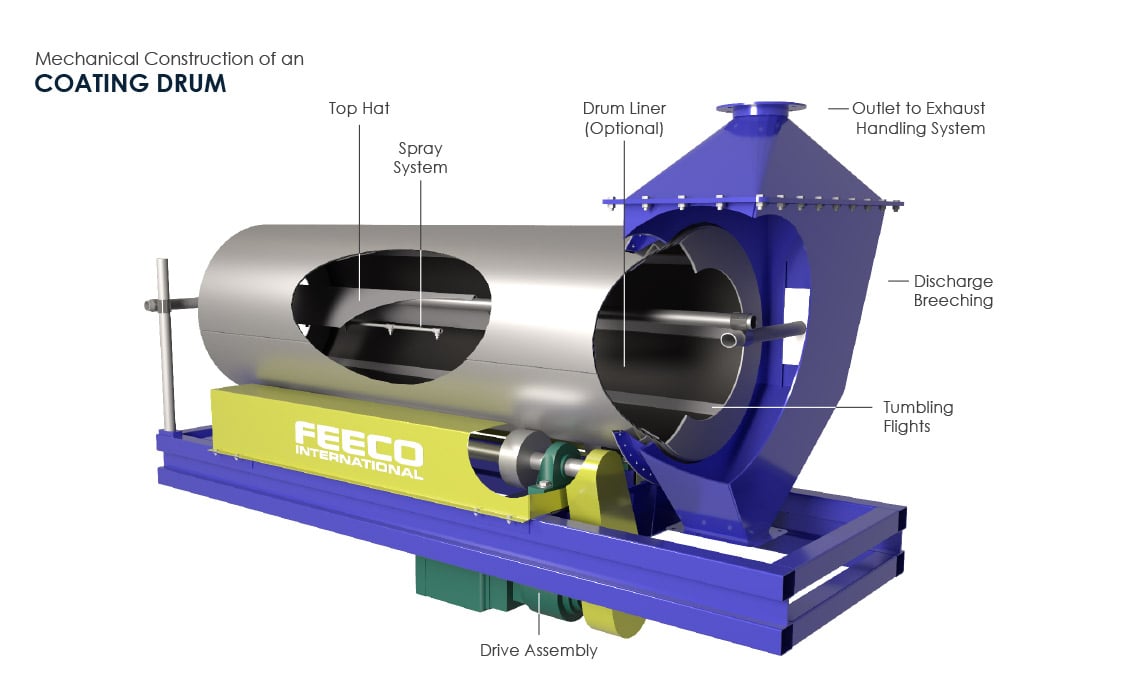
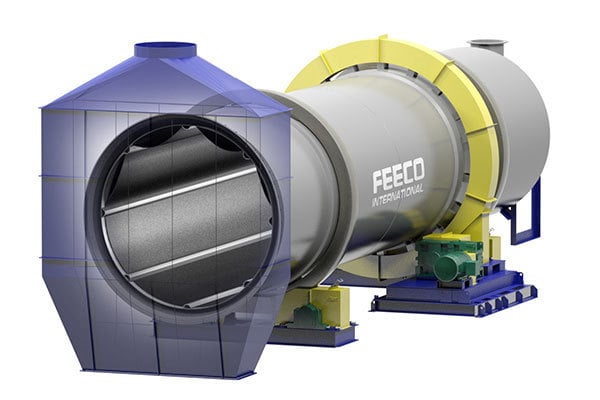
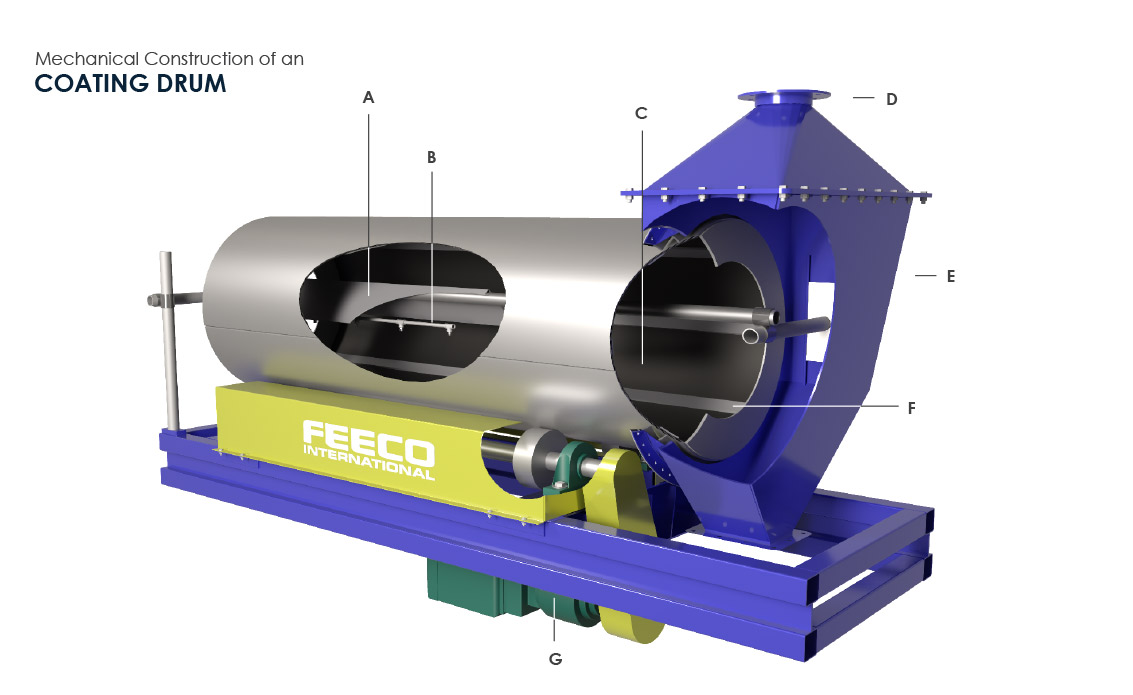
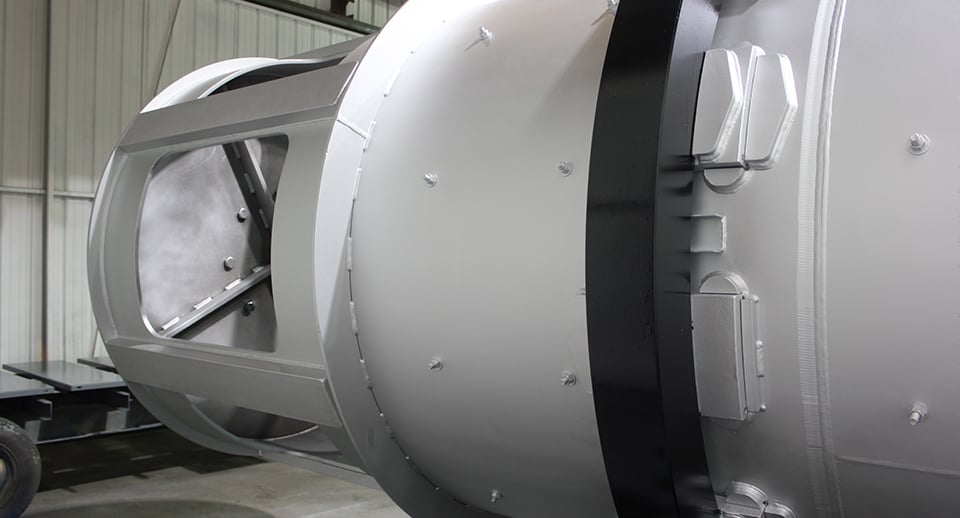
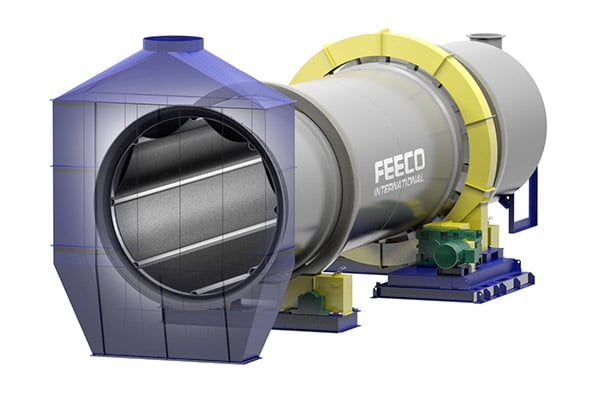
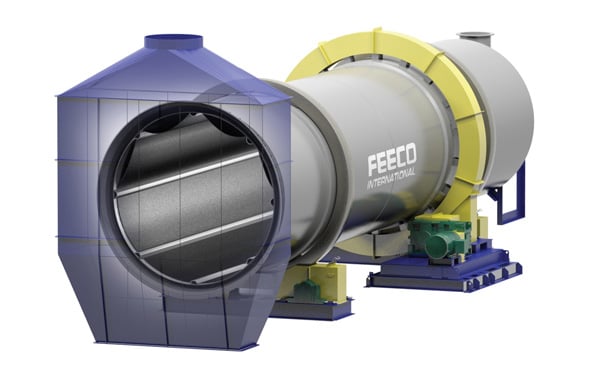
A Top Hat
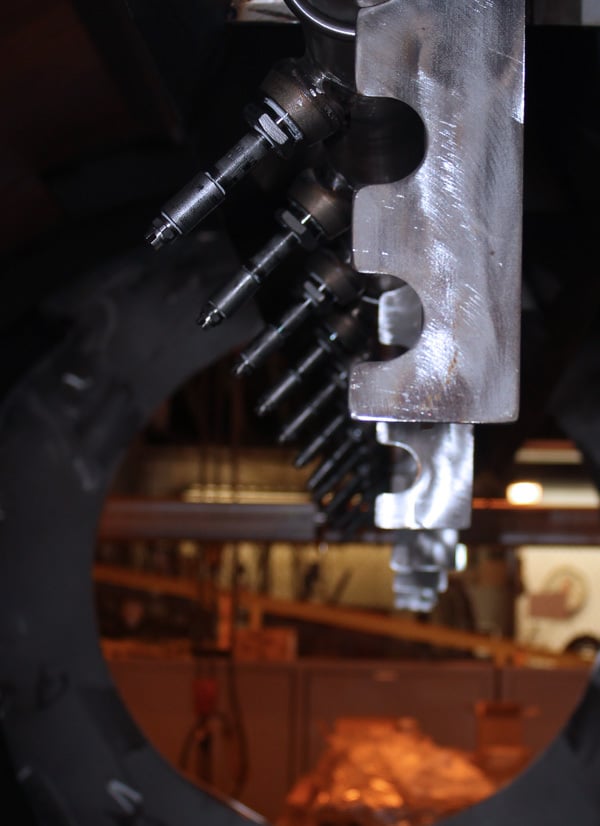
B Spray System
C Drum Liner (optional)
D Outlet to Exhaust Handling System
E Discharge Breeching
F Tumbling Flights
G Drive Assembly
COATING DRUM APPLICATIONS
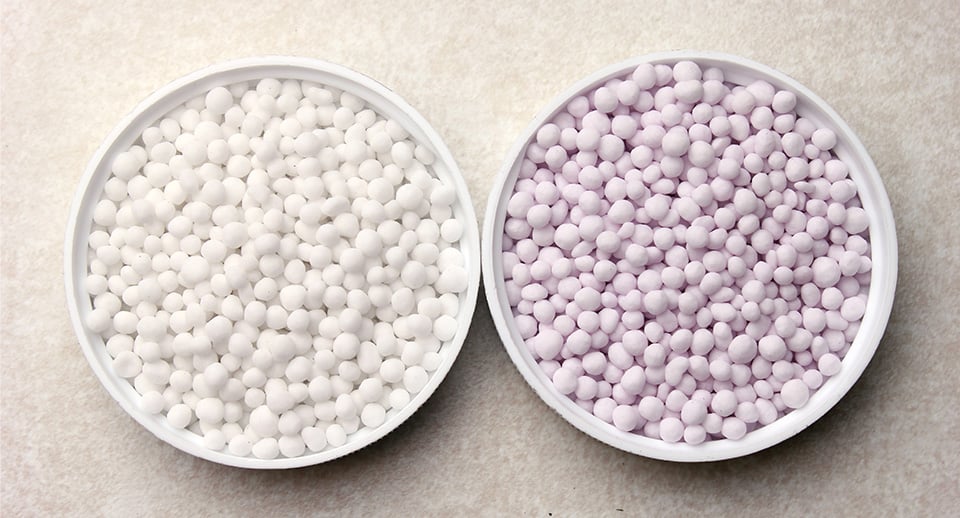
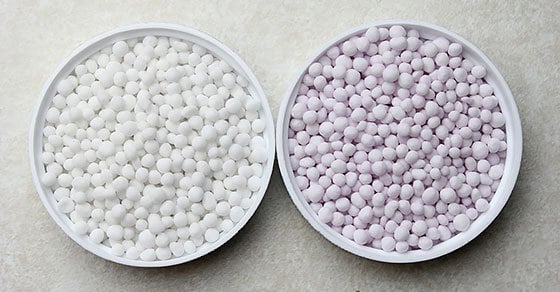
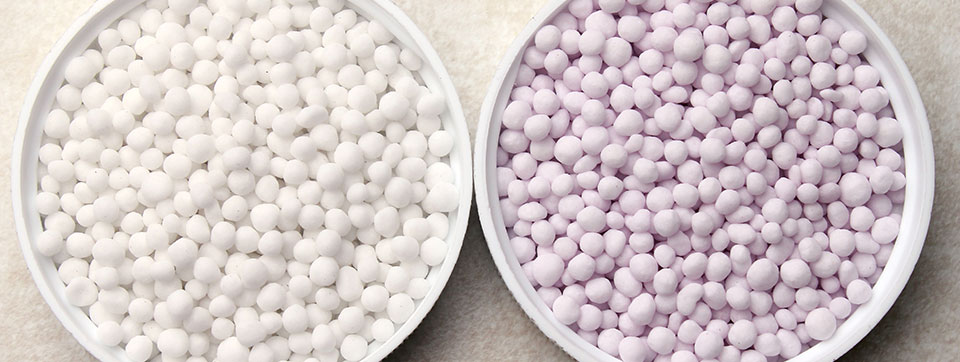
Coating drums are extremely flexible and can be used to apply most types of coatings to particles, be it for de-dusting, anti-caking, or otherwise.
Common applications for coating drums include:
- Granular Fertilizers (MAP, DAP, Urea, NPK, Ammonium Sulfate, TSP, SSP)
- Granular Animal Feeds (MCP, DCP)
- Proppants
- Cat Litter
- Chemical Powders
- Iron Ore
RESOURCES
COATING DRUM ARTICLES
Improving the Fertilizer Coating Process with a Coating Drum
Fertilizer coating continues to be a vital tool in helping fertilizer producers meet market demands. With buyers becoming more discerning, producing …
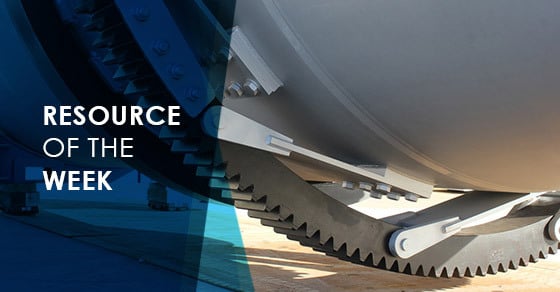
Floating Tire Assembly Improves Rotary Drum Operation and Longevity
The tire mounting assembly on a rotary drum, whether a dryer, cooler, kiln, or otherwise, goes far beyond a mechanical interface; …
COATING DRUM BROCHURES
Agglomeration Brochure
Granular Fertilizer Systems Brochure



Coating Drum Frequently Asked Questions (FAQs)
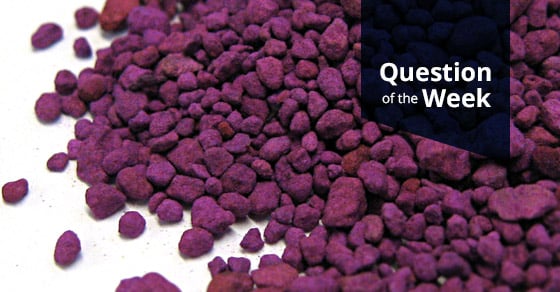
Coating drums can process any type of bulk solid, so long as it is flowable. This lends coating drums to a wide range of materials, including specialty chemicals, catalysts, adsorbents, fertilizers, and soil amendments.
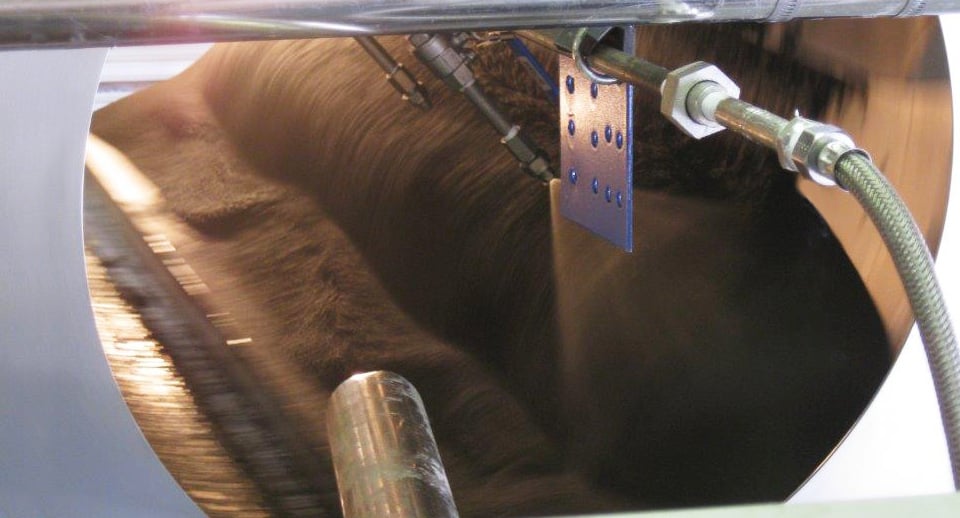
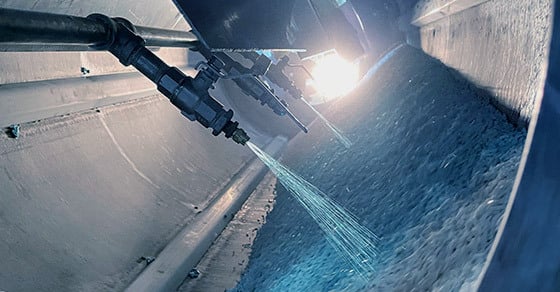
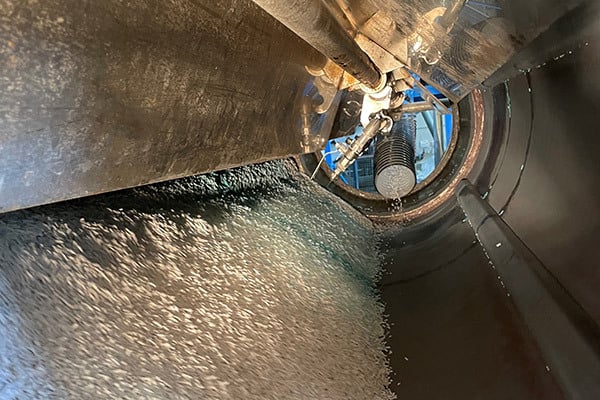
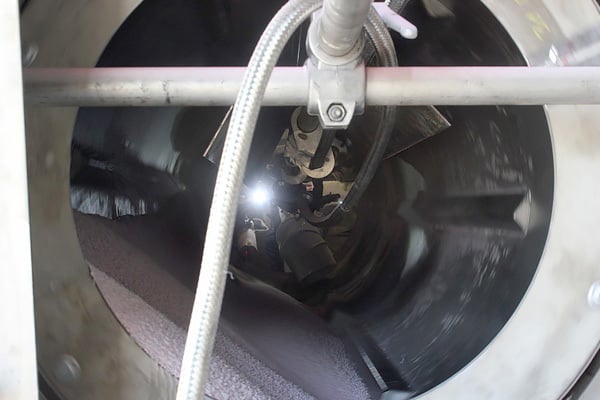
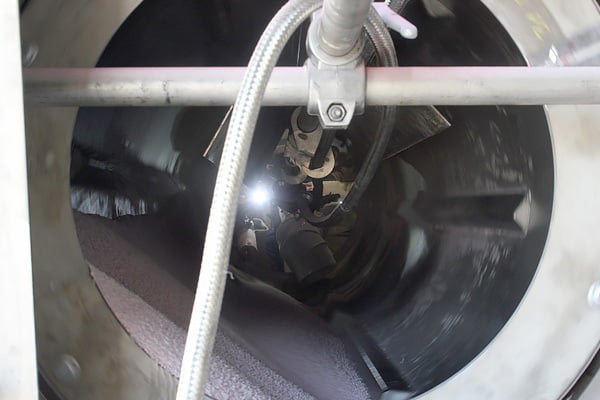
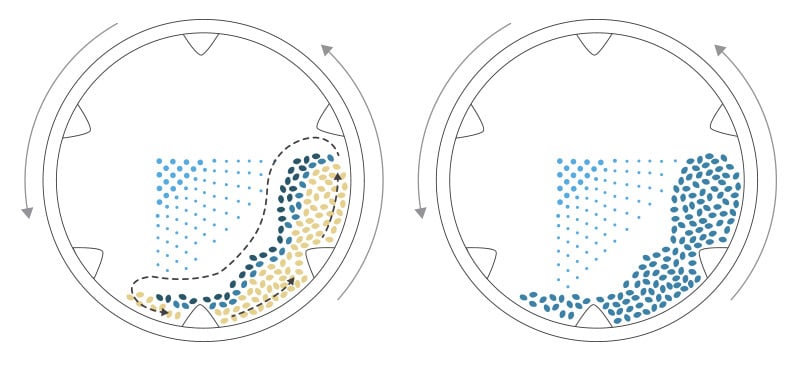
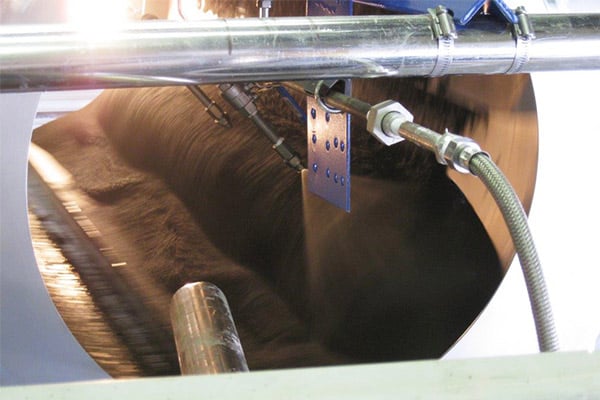
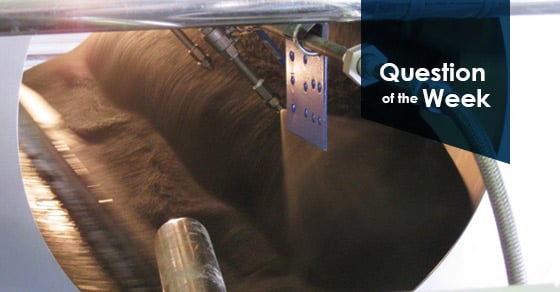
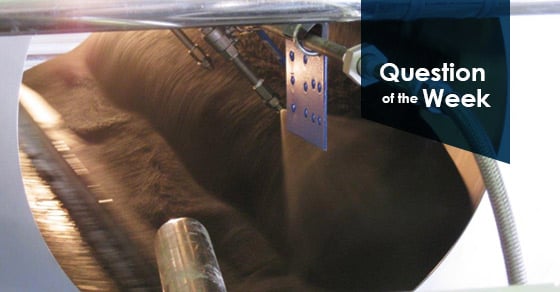
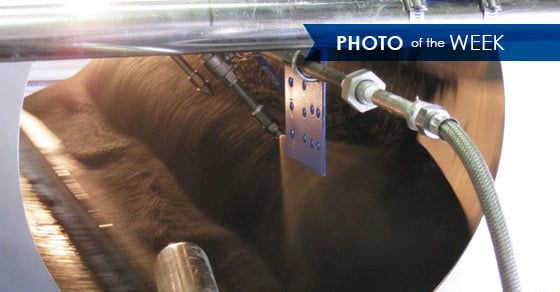
A coating drum works by tumbling material in a rotating drum while a spray system distributes the coating over the material bed. As the drum rotates, granule-to-granule contact distributes the coating throughout the material bed, ensuring all material is uniformly coated.
The coating is distributed through a specially designed spray system that atomizes the coating into a spray over the material bed. The tumbling motion then distributes the coating throughout the bed through contact between granules.
The spray system is a very custom aspect of the coating drum, often requiring testing in a facility such as the FEECO Innovation Center to establish design criteria.
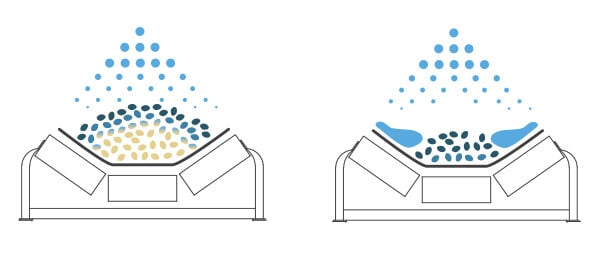
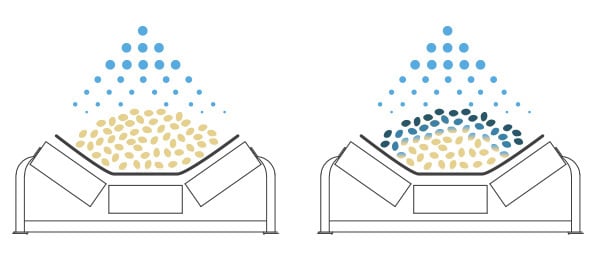
A coating drum is different from coating with a conveyor in several ways. Most importantly, coating drums provide much more uniform results due to the mixing action that occurs in the tumbling drum. In contrast, on a conveyor, material is stationary on the belt, so only the outermost layer receives the coating. Overspray can also be a problem when coating on a conveyor. For more information, see our article, Improving the Fertilizer Coating Process With a Coating Drum.
Coating drums are capable of handling and distributing both powder and liquid coating agents.
No. Unless the coating has a high moisture content that would require moisture removal, no drying is necessary.
While coating drums may be available in either a batch or continuous configuration, FEECO engineers only continuous coating drums suitable for high-capacity production settings such as fertilizer granulation plants.
The retention time, or residence time, for a coating drum depends on how long it takes to meet product quality specifications and as such, varies significantly from one process to the next, ranging anywhere from 30 seconds to over one hour.
Knowing whether a coating drum is right for a given process is often determined through testing in the FEECO Innovation Center. In addition to determine whether the coating drum is a good fit for the application, testing also helps to establish key process criteria.
Coating drums can handle capacities ranging from a few hundred pounds per hour to hundreds of tons per hour.
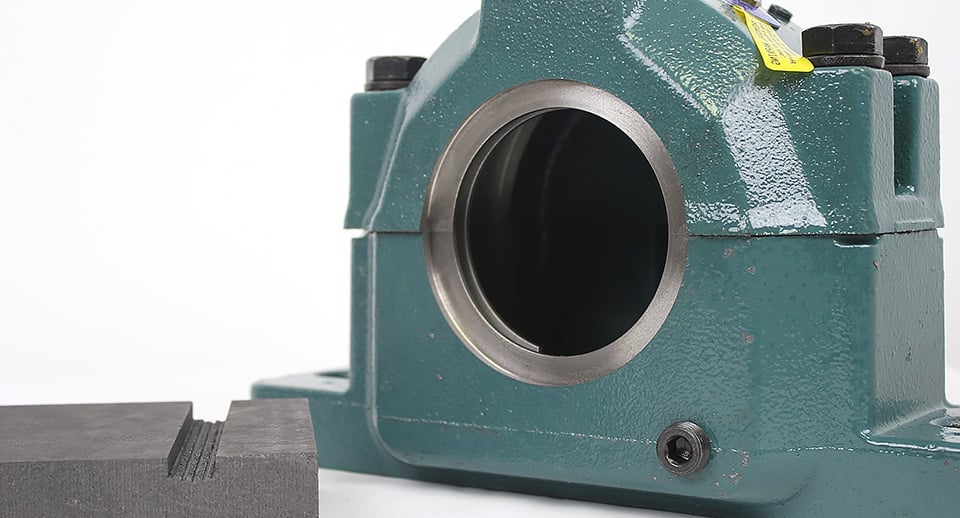
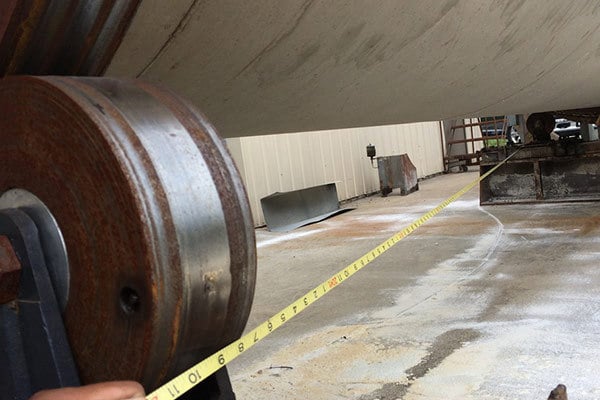
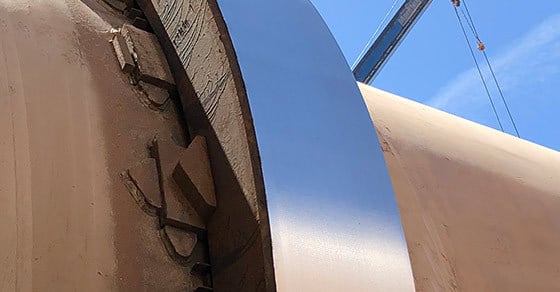
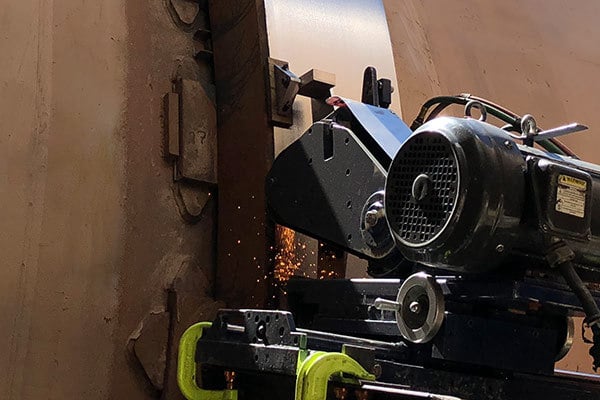
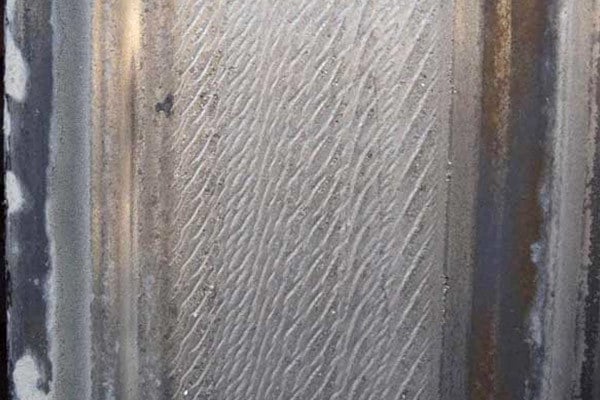
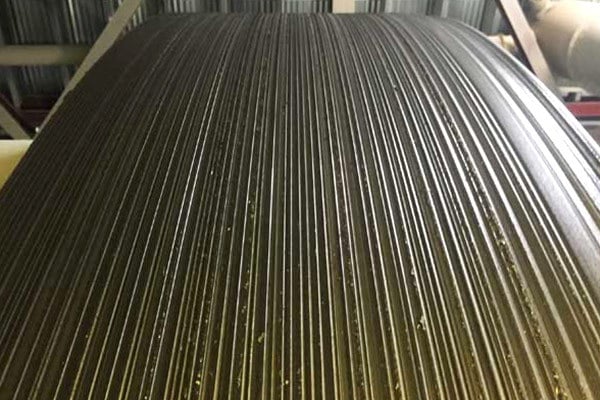
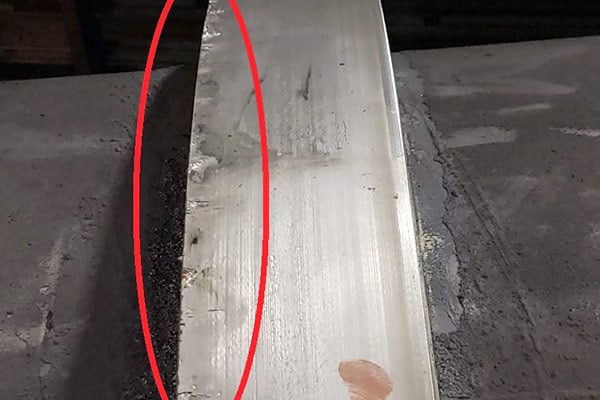
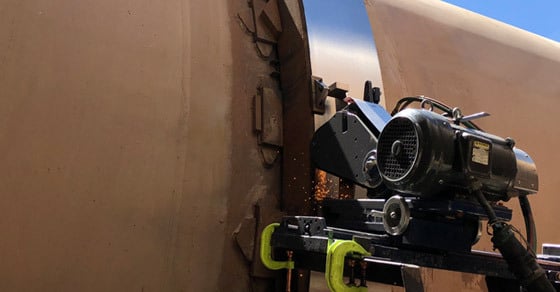
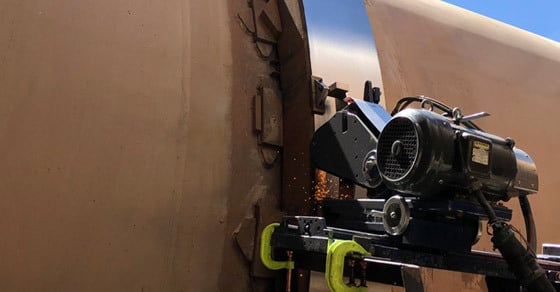
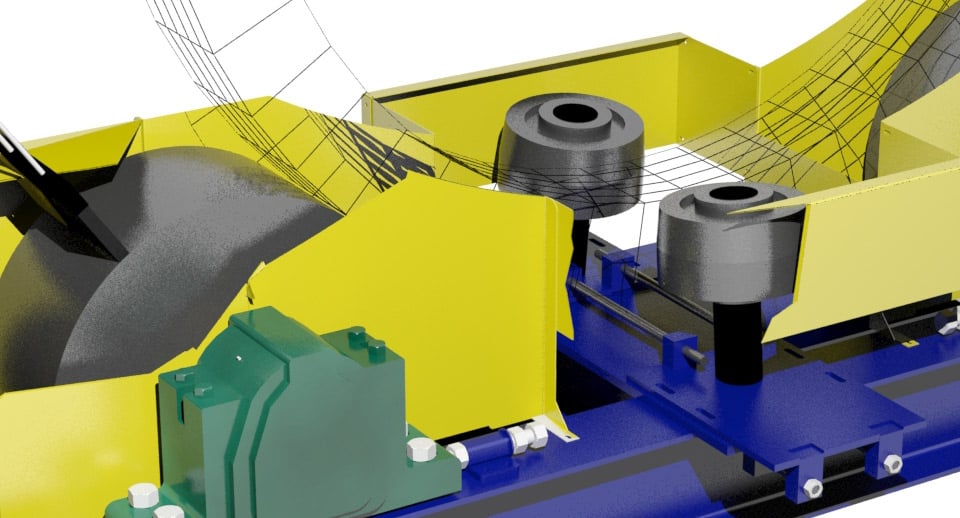
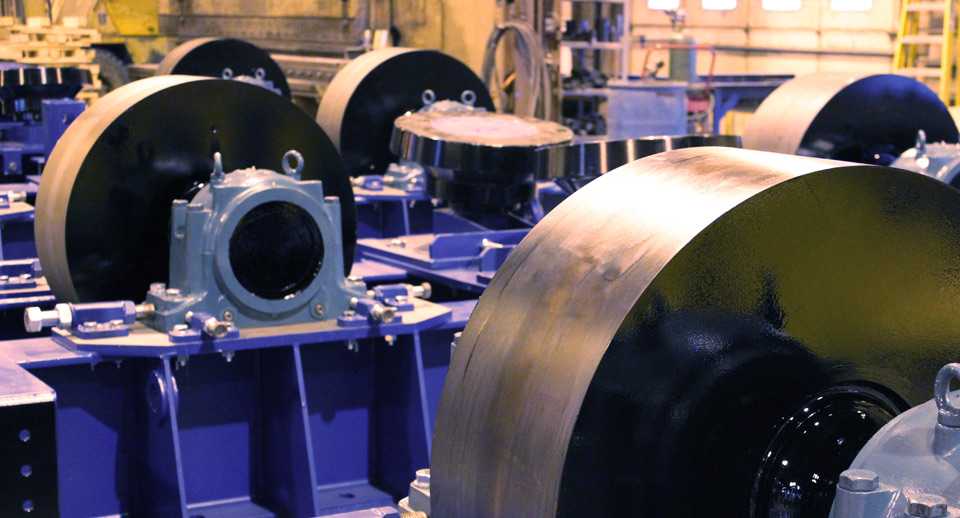
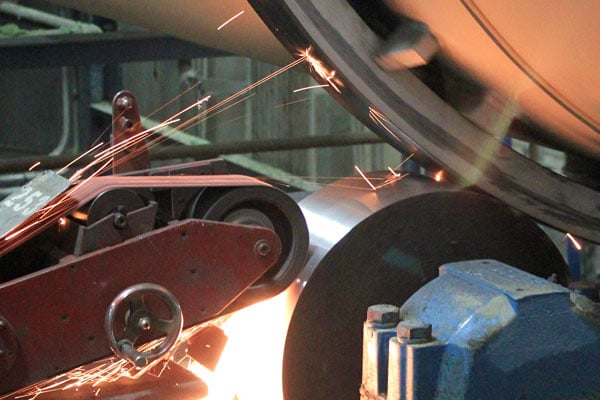
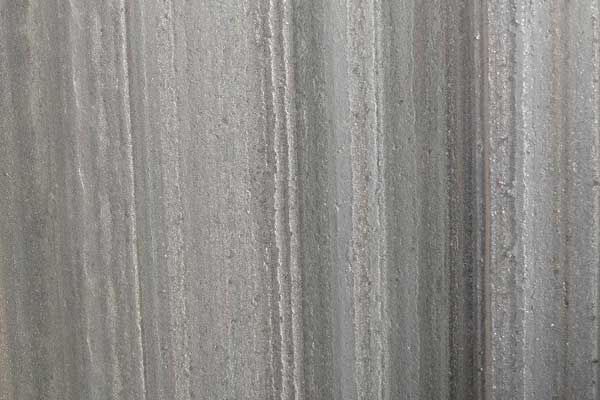
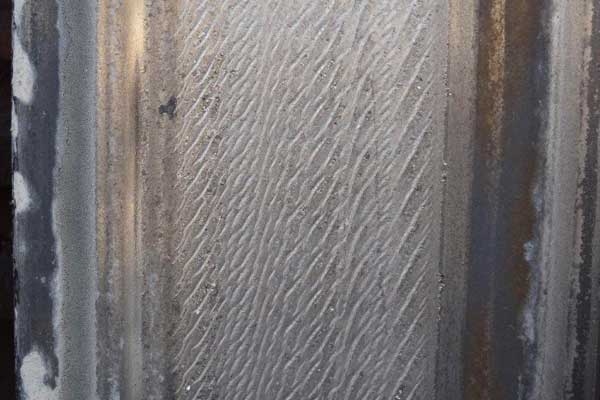
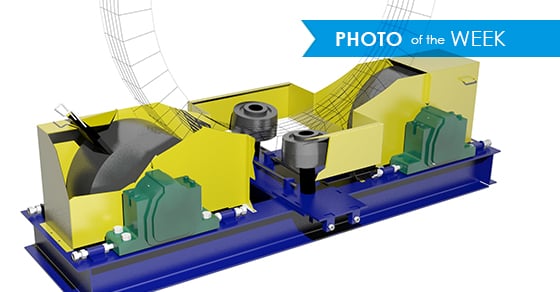
Typical wear items on a coating drum are similar to other rotary equipment: seals, trunnion wheels/rollers, tires, thrust rollers and internals. As with any other type of rotary drum, it is important to maintain proper drum alignment and address any wear on tires and trunnions through grinding. FEECO also recommends the OEM perform an annual inspection (in addition to regular inspections by plant personnel as part of a preventive maintenance program).
The prevention of caking and buildup in a coating drum should always first be addressed through the equipment’s design. Engineers should limit places where material could catch and accumulate, as well as carefully choose materials of construction.
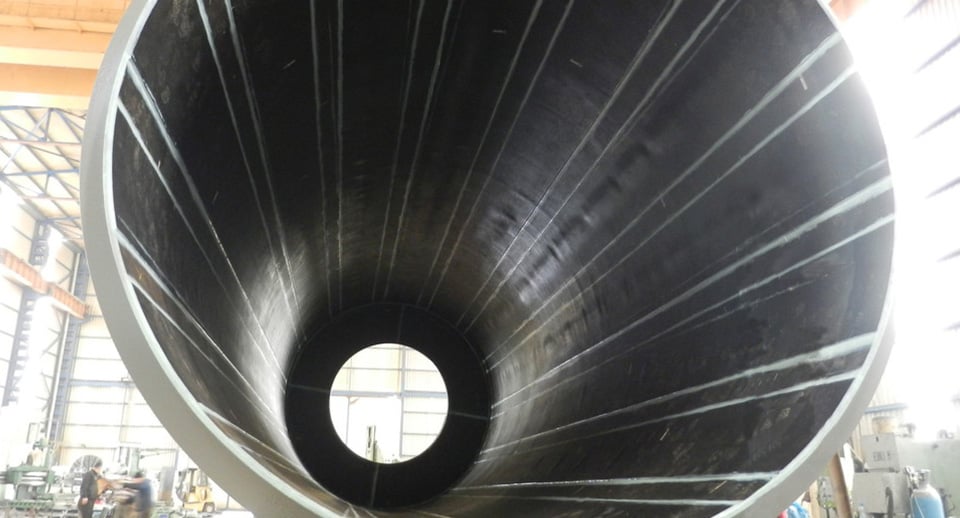
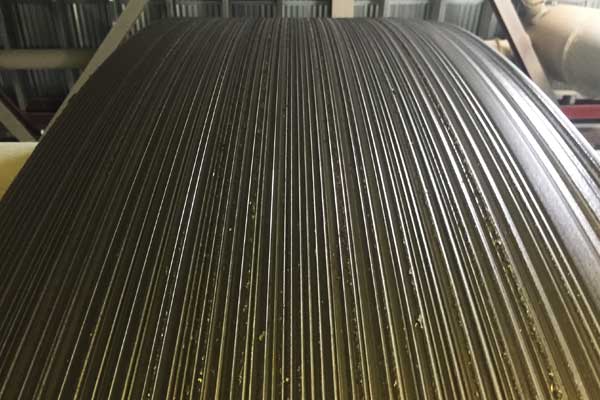
A drum liner can also help to prevent buildup, as well as protect the drum shell from corrosion and abrasion.
Engineers require a number of data points to design a coating drum. Most importantly:
- Raw material feed rate
- Bulk density
- Type of coating
- Coating feed rate
- Coating properties (physical and chemical)
- Desired retention time (can be established through testing)
- Desired material of construction
- Required capacity
Yes, coating drums can be automated with a controls package that automates feed rate and coating addition, as well assists in start-up and shutdown of the unit.
No, since coating is generally employed as a finishing process, no size separation or reduction is necessary after processing.
Coating drums require feeding equipment for the raw material, as well as pumping equipment for the coating (in the case of a liquid). In settings where fugitive dust is possible, an exhaust gas handling system may be necessary. FEECO also recommends the incorporation of a variable frequency drive or VFD to give operators greater control over drum speed and responding to process fluctuations.