
BUCKET ELEVATORS
As a leading supplier of bulk material handling equipment and conveyor systems, we offer a wide variety of bucket elevator models to elevate bulk products ranging from dry, dusty powders such as fly ash, to heavy solids such as iron ore pellets.
Bucket elevators can be manufactured in a number of configurations, including centrifugal belt, centrifugal chain, continuous belt, continuous single chain and continuous double chain. All FEECO elevators are built around the specific characteristics of the material (bulk density, particle size distribution, temperature, etc.), as well as the required horsepower and height, for an efficient and effective vertical transport solution that offers superior handling.
FEATURES
- Removable top covers
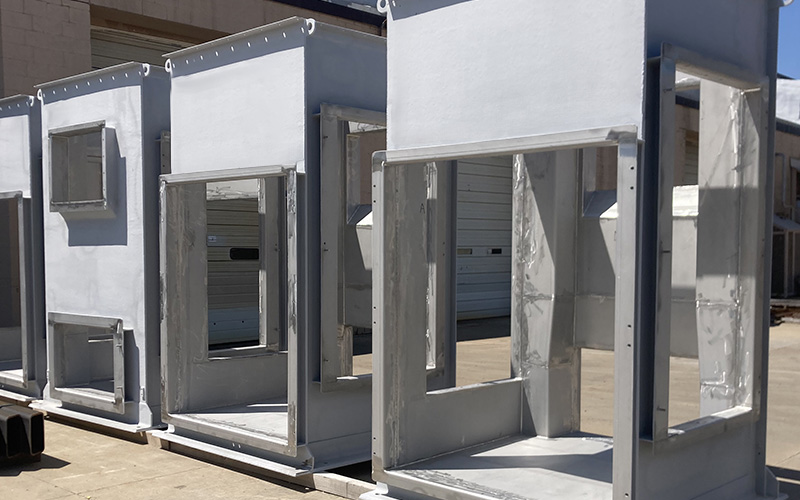
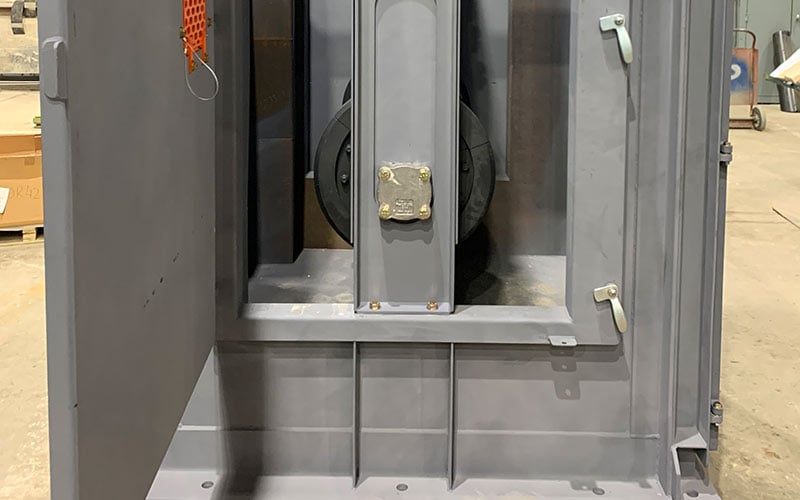
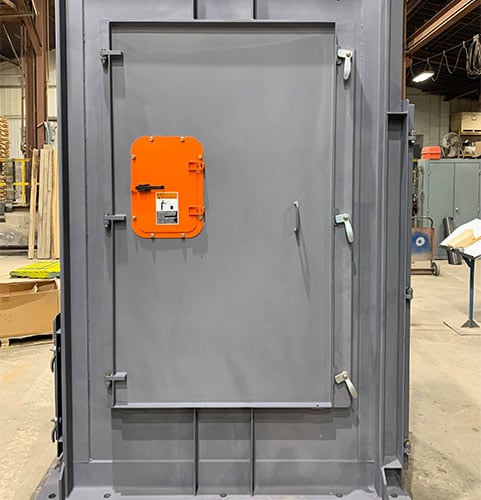
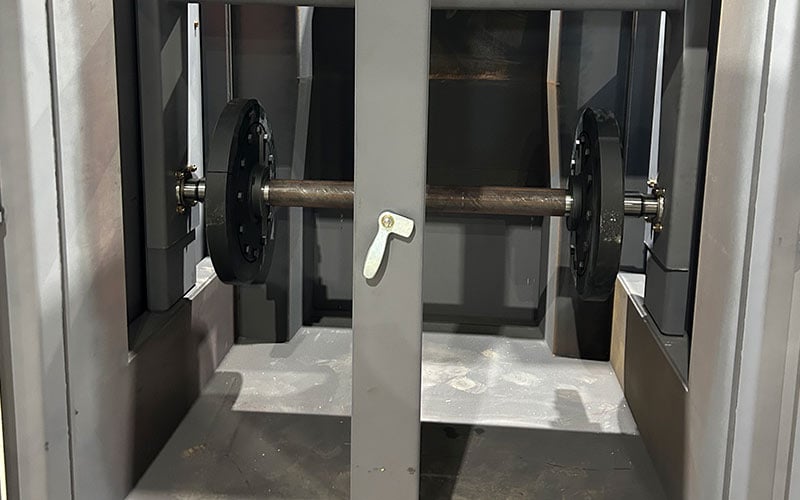
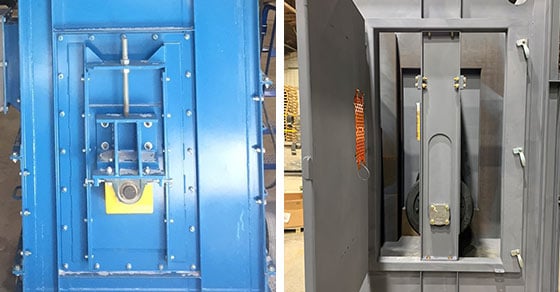
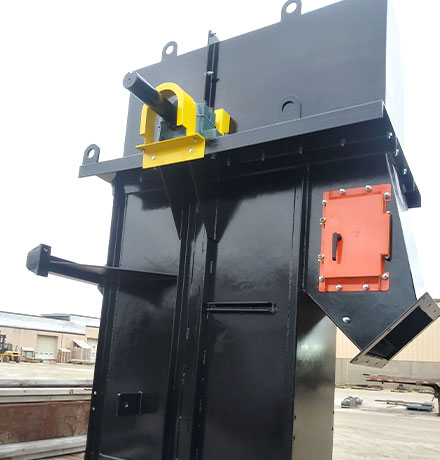
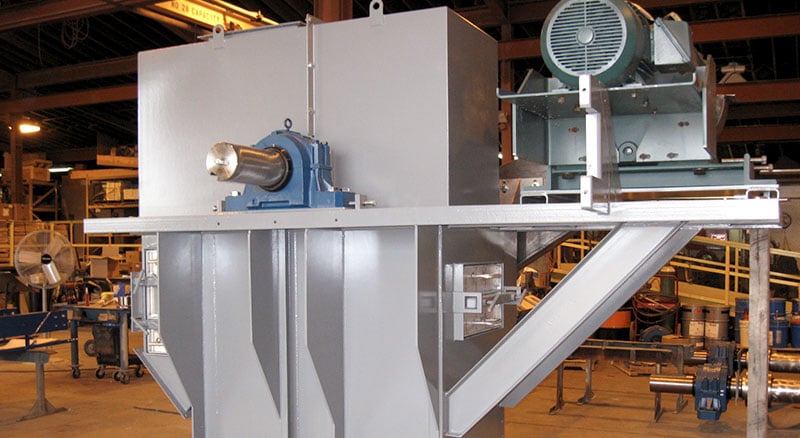
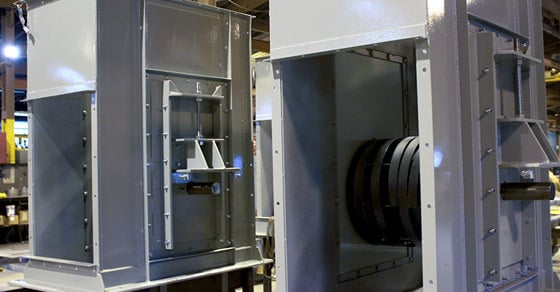
- Access doors for easy maintenance
- Horizontally and vertically heavy-reinforced, jig welded head, boot, and intermediate sections
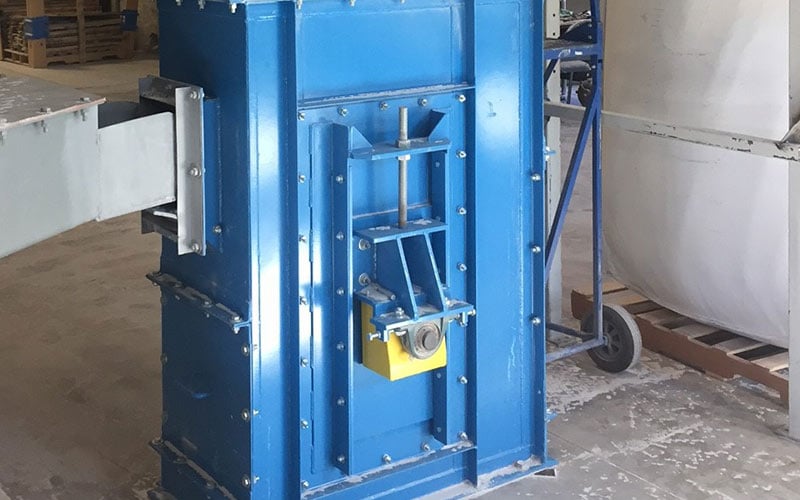
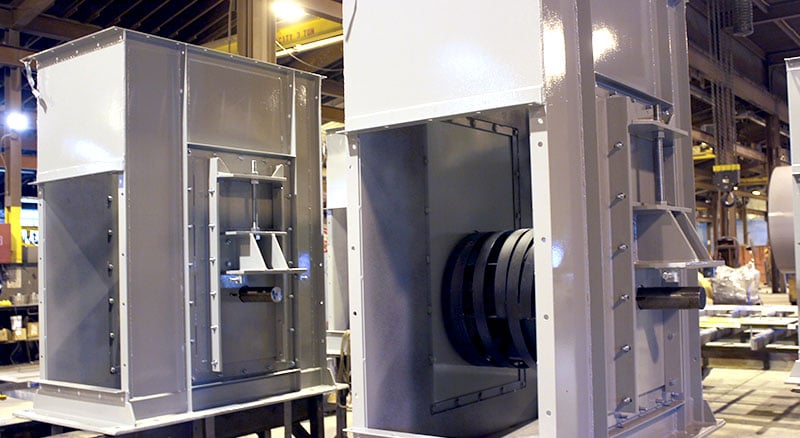
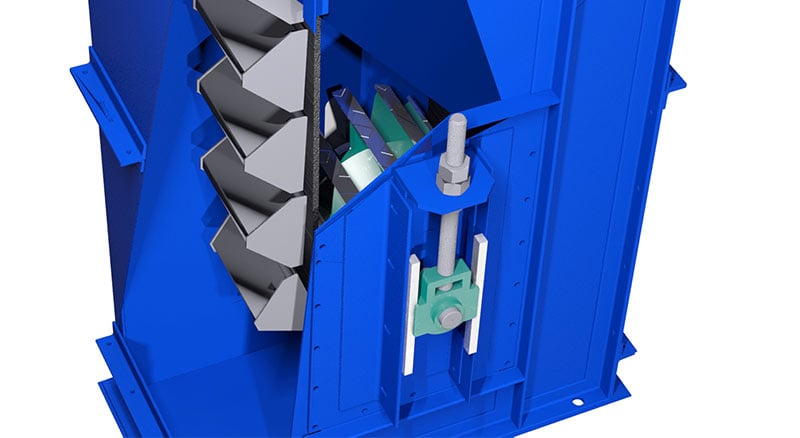
- Adjustable throat plate at discharge
- Inspection doors on both sides of discharge
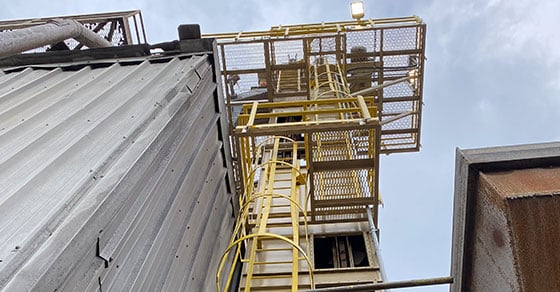
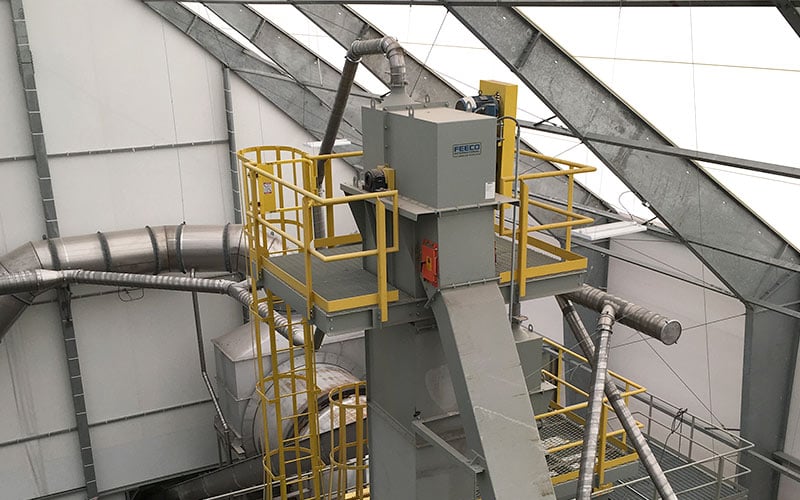
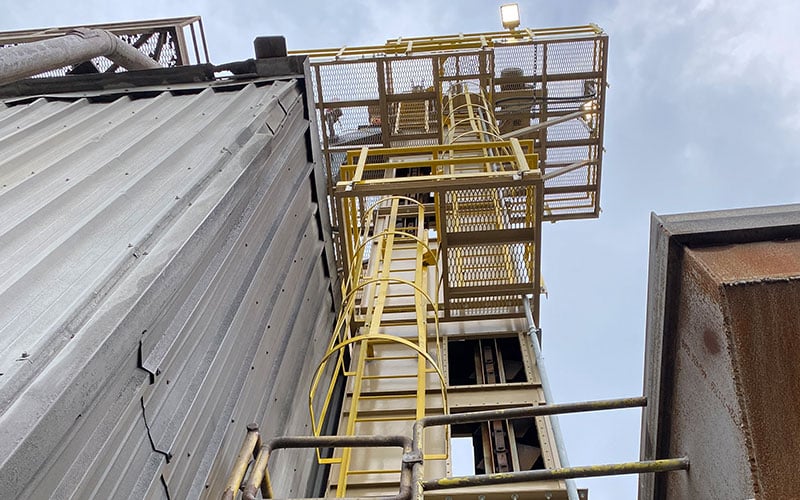
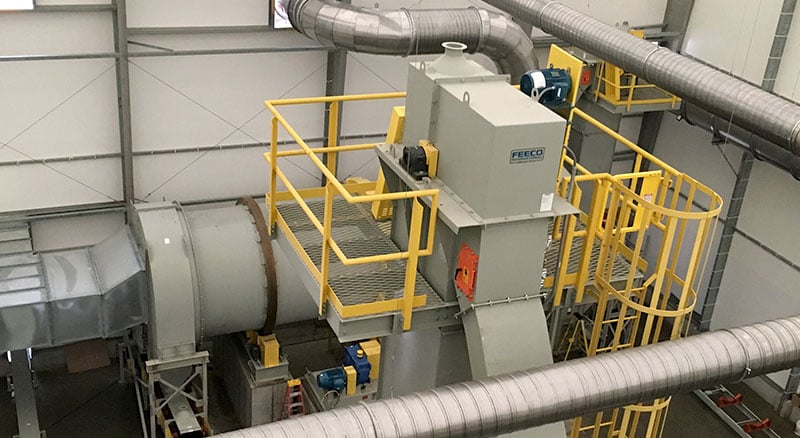
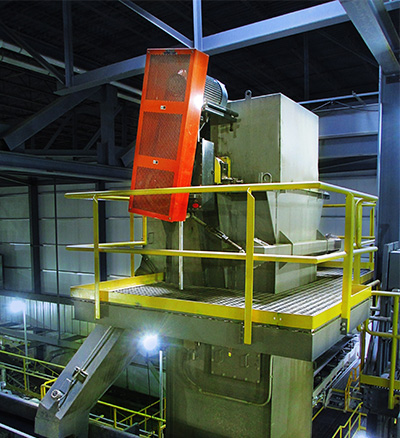
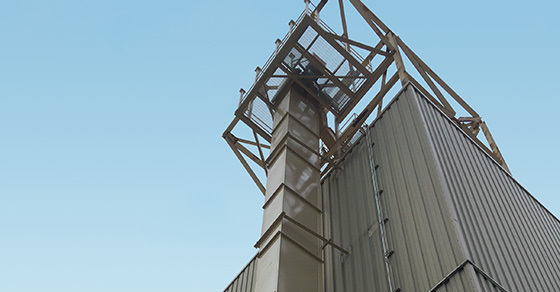
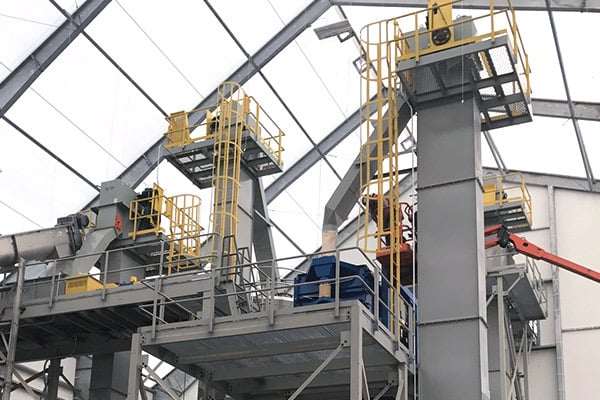
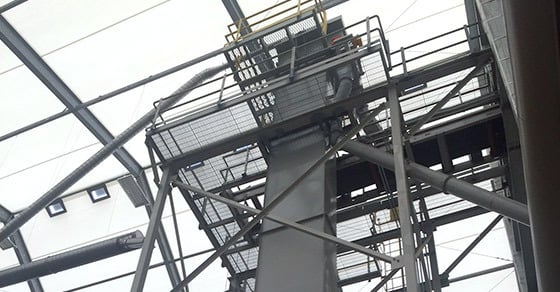
- Service platforms and access ladders available
- Heavy-duty, robust construction
- Custom design
- Various bucket designs available
- Robust bearings, pulleys, and drive options
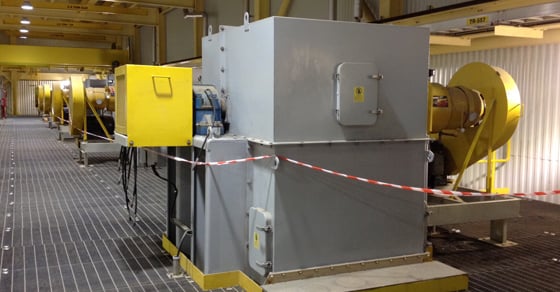
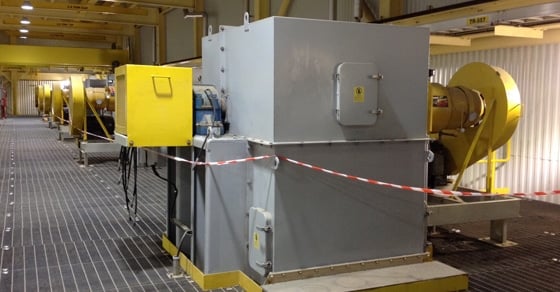
- Optional variable frequency drive (VFD); our elevators can be connected to plant-wide VFD’s or we can supply a remote/panel-mounted VFD, which is beneficial for maintenance and “creep control.”
CONFIGURATIONS
Bucket elevators are available in either the centrifugal or continuous configuration. For both options, the elevator can be either the belt or chain type.
CENTRIFUGAL
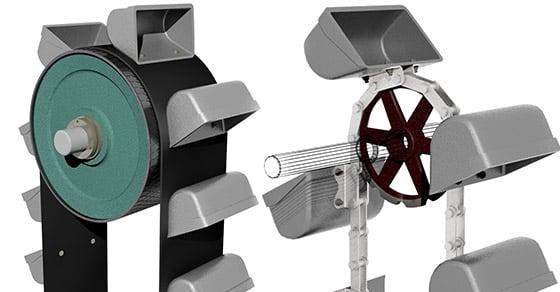
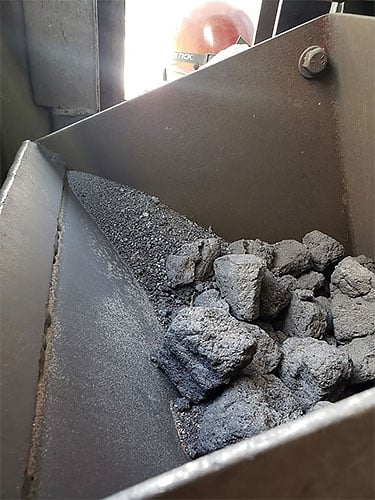
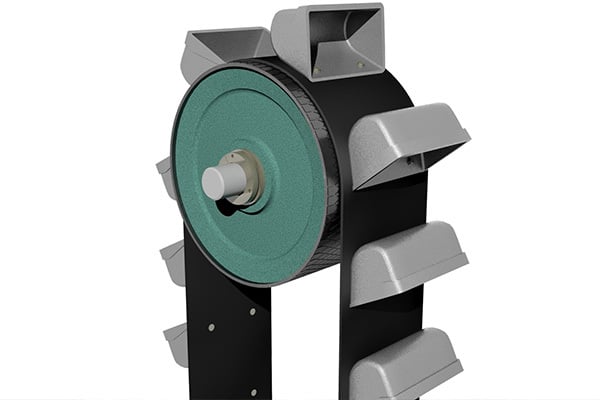
Centrifugal bucket elevators are chosen when there is a need to move large tonnages quickly. Instead of direct loading, buckets serve as the loading apparatus, scooping material up from the boot or inlet section. For this reason, durable buckets are recommended with this design.
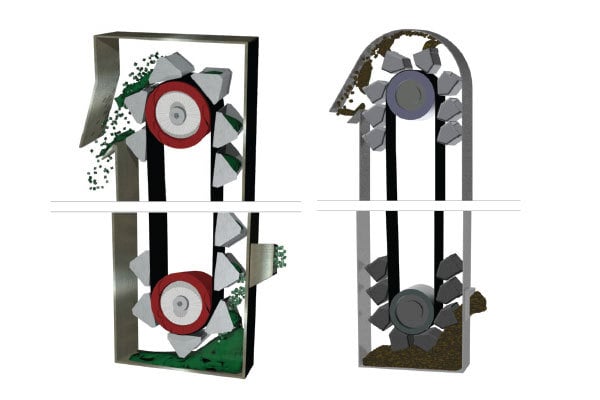
Centrifugal force at the head pulley “throws” material from the buckets into the discharge chute. The buckets are spaced in wider intervals to prevent discharge interference from the preceding bucket and to assure maximum fill of the buckets at the boot end while moving at a higher speed. The design of this style yields optimized fill and reduced interference between buckets.
Centrifugal style elevators are ideal for applications like sand, gravel, wood chips, and other free-flowing bulk solids where fragility is not a concern.
CONTINUOUS
Continuous bucket elevators are designed for more gentle handling requirements and are often used in applications working with friable, fragile materials where minimal product degradation or damage is a priority. They are also ideal for sluggish or abrasive solids, as well as light, free-flowing matter where aeration must be avoided.
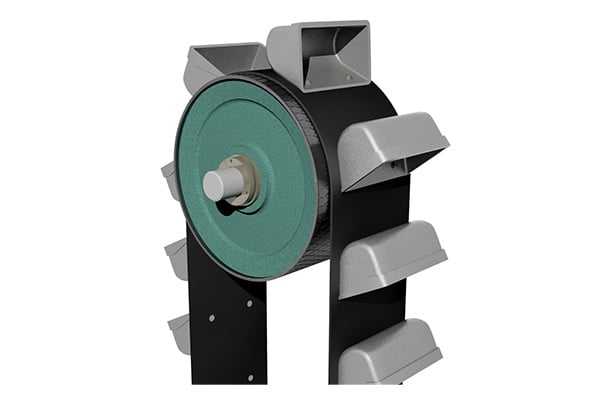
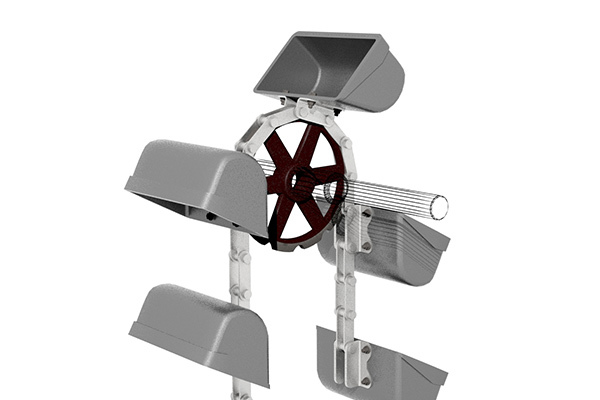
Material is fed into the buckets from an inlet chute. Buckets are designed for gentle continuous discharge; the buckets are closely spaced on the belt or chain to allow the material to flow over the backside of the preceding bucket, whose extended sides form a chute to guide the material into the discharge spout. Direct loading, combined with the slow speed of this elevator type, avoids the “throwing” action associated with centrifugal style elevators, making it ideal for use with fragile solids.
BELT Bucket Elevators
Belt elevators offer a cost-effective approach for lighter-duty jobs. Buckets are mounted onto a belt made of various compounds depending on the application.
The belt design is ideal in settings where noise is a concern, as this approach offers quiet operation.
CHAIN bucket elevators
Chain elevators provide a higher-capacity, more durable option. They are best for jobs requiring rugged handling of large particles, or materials that are heated or have a potential for combustion.
BUCKET STYLES
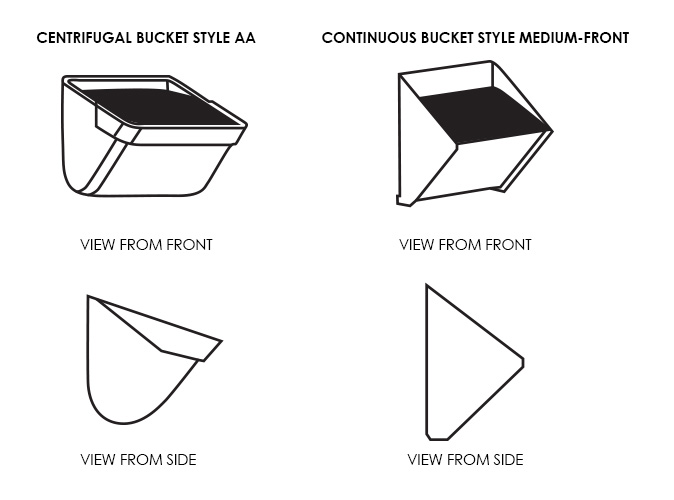
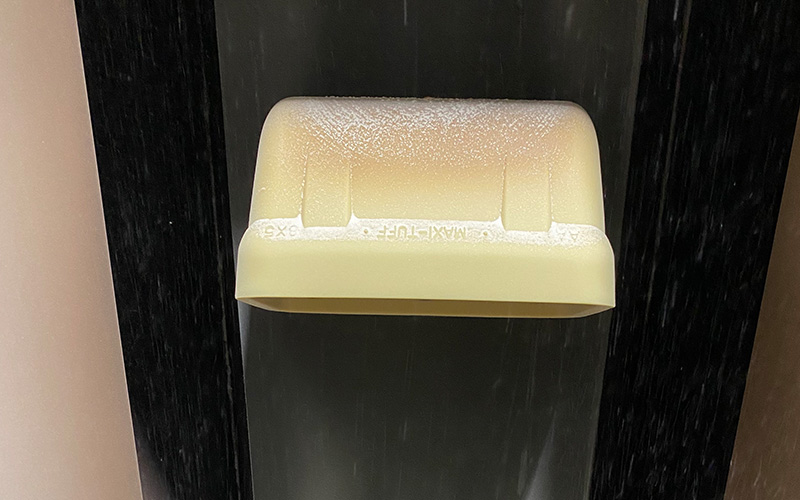
Buckets are available in many shapes, sizes, and materials. Options differ depending on whether the unit is continuous or centrifugal. FEECO offers the following bucket styles:
- Style AA (Centrifugal)
- Style AC (Centrifugal)
- Medium Front (Continuous)
- High Front (Continuous)
- Super Capacity (Continuous)
For additional information on bucket styles, see Bucket Style Selection.
BUCKET ELEVATOR ADVANTAGES
Bucket elevators are the preferred choice for vertical conveying applications in a range of industries for the many advantages they offer.
INDOOR OR OUTDOOR vertical HANDLING
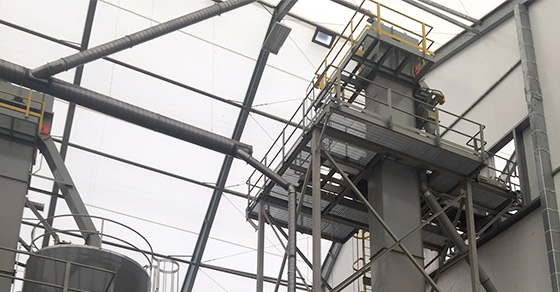
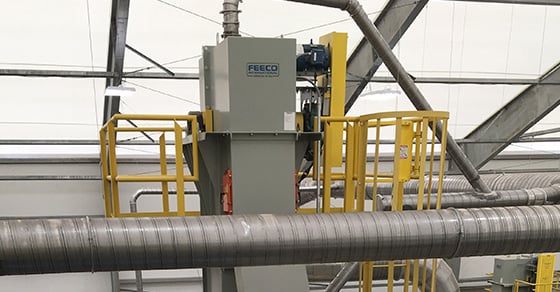
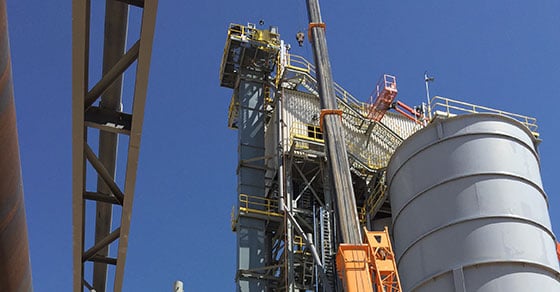
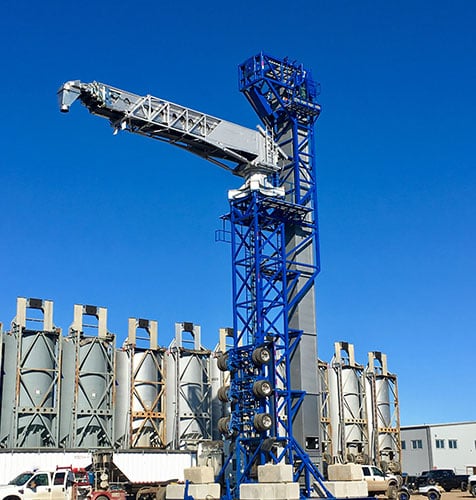
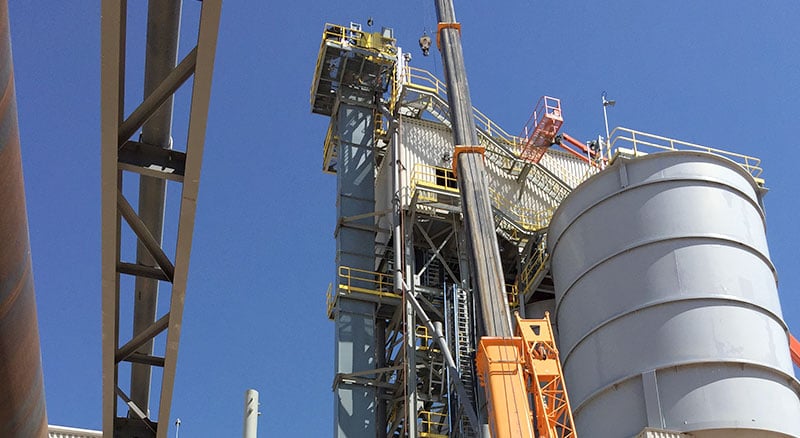
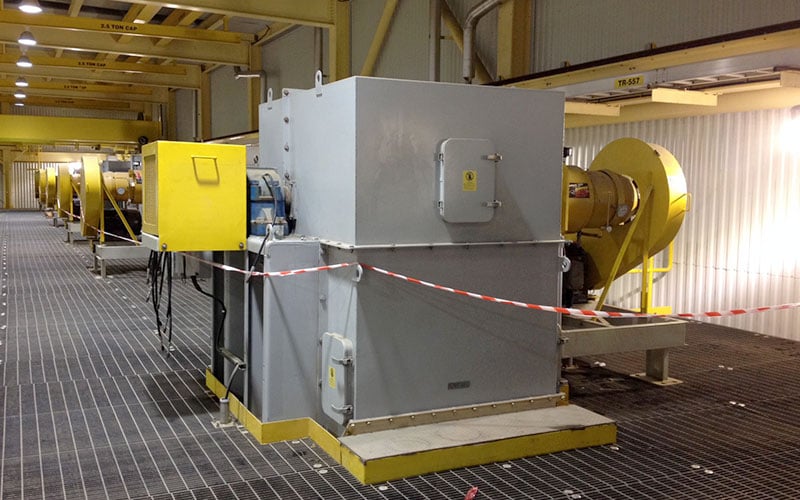
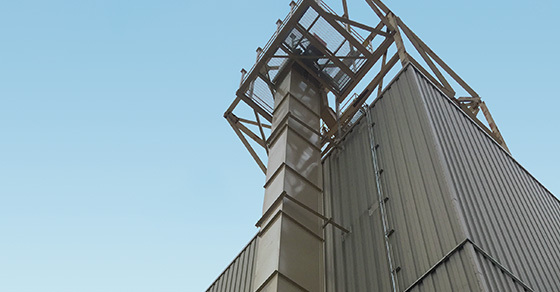
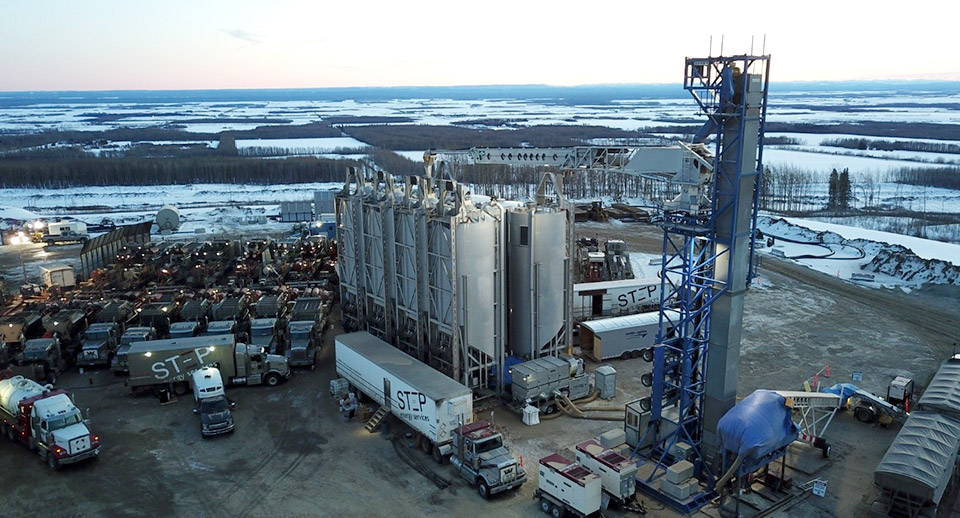
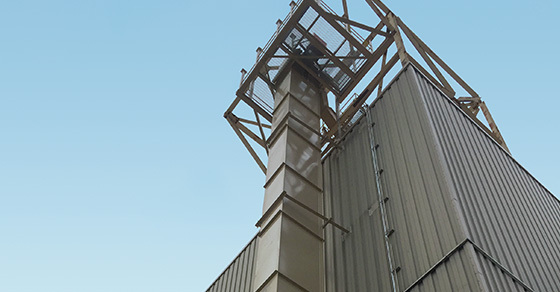
Bucket elevators are enclosed systems, making them ideal in both indoor and outdoor operations, as well as when dust is a concern; in addition to providing structure, the casing efficiently protects and contains the solids within.
CUSTOMIZABLE
FEECO elevators are highly customizable, allowing for design of a system tailored to the specific challenges and goals of the project.
SMALL FOOTPRINT
Bucket elevators have a significantly smaller spatial footprint compared to inclined conveyors.
DIVERSE
Bucket elevators are capable of carrying a wide range of bulk solids, from heavy rocks to light and fluffy free-flowing materials.
HIGH CAPACITY
Bucket elevators are capable of carrying large volumes of material. The actual TPH throughput capacity of the elevator depends on the characteristics of the material.

FEECO is capable of meeting the requirements necessary for CE marking equipment.

All FEECO equipment and process systems can be outfitted with the latest in automation controls from Rockwell Automation. The unique combination of proprietary Rockwell Automation controls and software, combined with our extensive experience in process design and enhancements with hundreds of materials provides an unparalleled experience for customers seeking innovative process solutions and equipment. Learn more >>
BUCKET ELEVATOR COMPONENTS AND PARTS
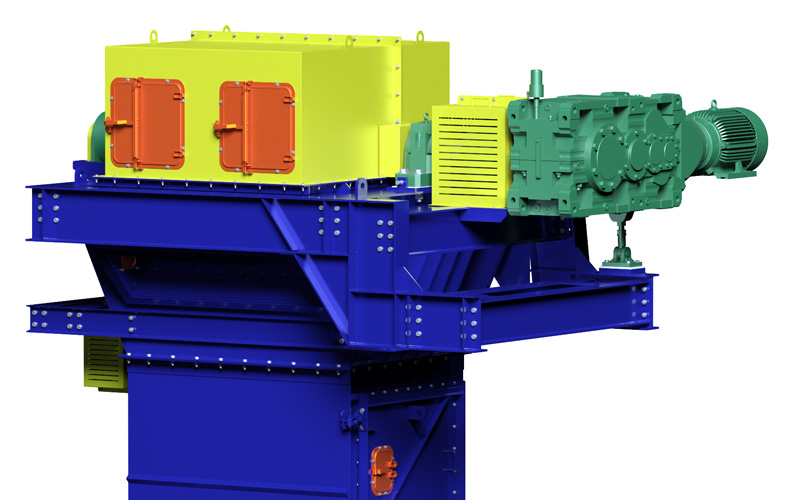
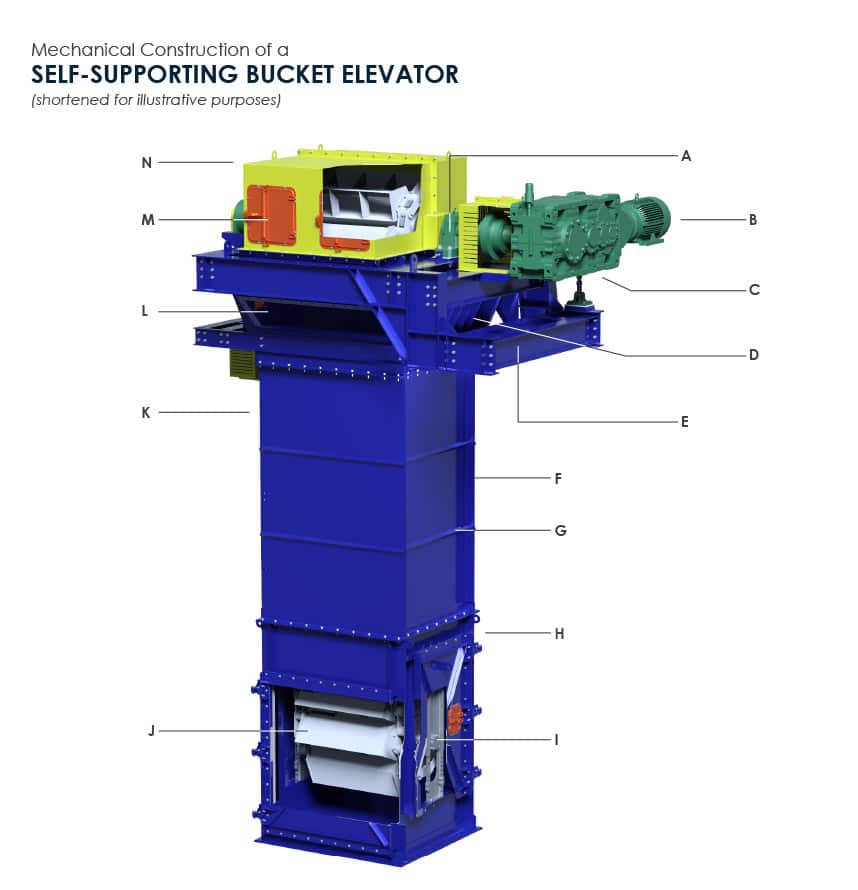
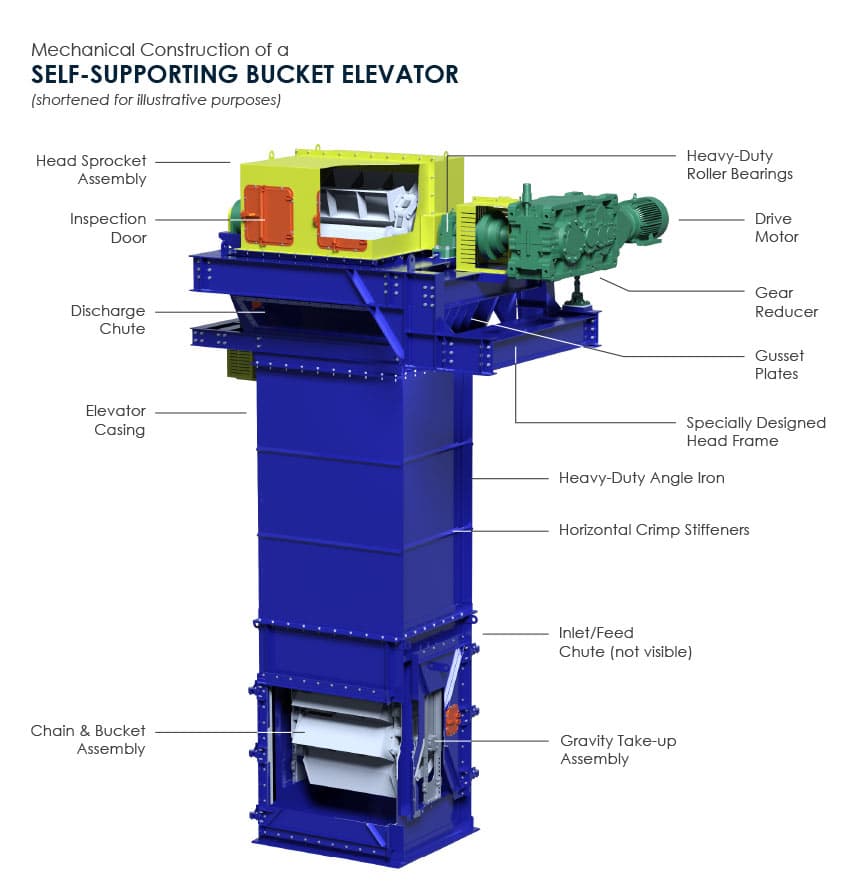
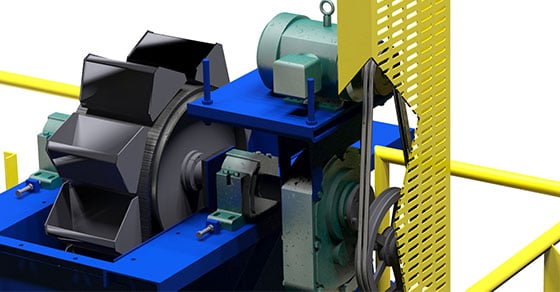
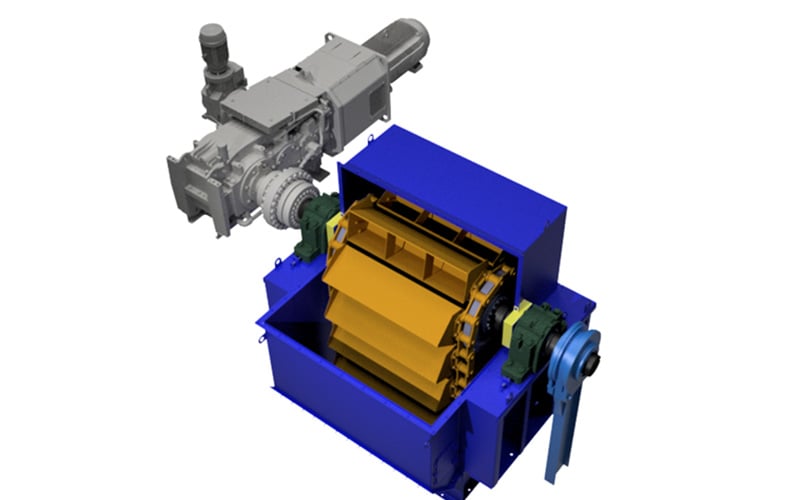
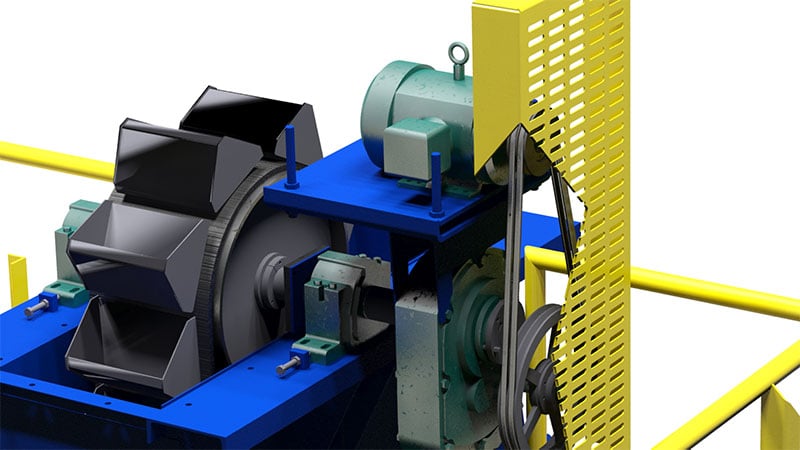
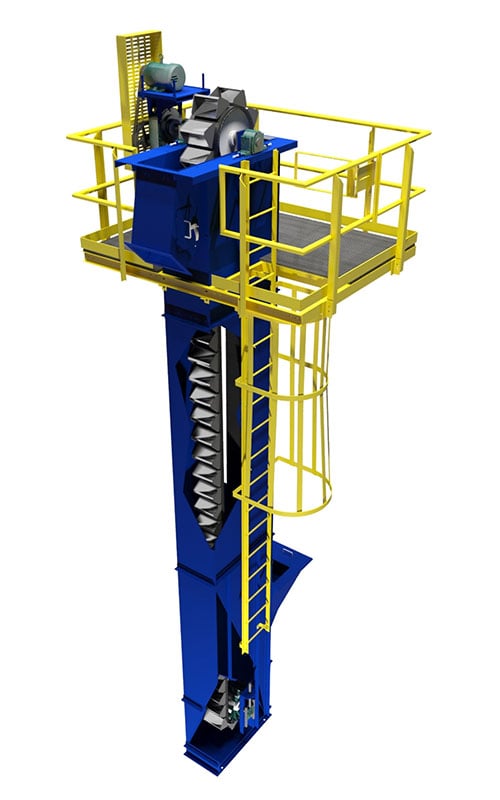
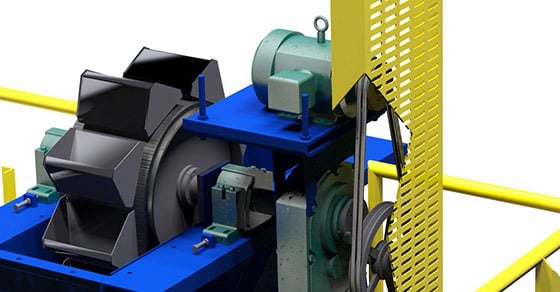
The image below shows the standard components of a bucket elevator. A full range of customizations are available to increase the flexibility and performance of the unit in its intended application. Click image to view larger.
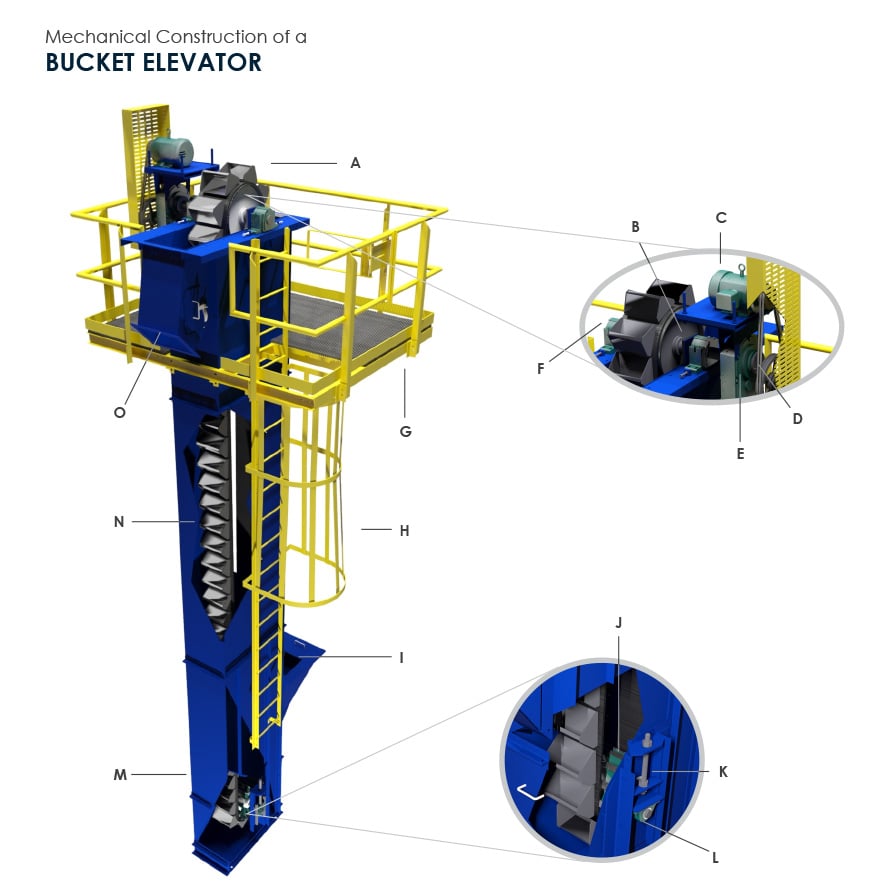
Mechanical Construction of a Bucket Elevator (3D Bucket Elevator by FEECO International)
A – Head Pulley Assembly
B – Head Pulley
C – Drive Motor
D – V-Belt Drive
E – Gear Reducer
F – Heavy-Duty Roller Bearings
G – Maintenance Platform
H – Ladder with Safety Cage
I – Inlet/Feed Chute
J – Boot Pulley Assembly
K – Screw Take-up Assembly
L – Pillow Block Ball Bearing
M – Elevator Casing
N – Belt & Bucket Assembly
O – Discharge Chute
APPLICATIONS
Bucket elevators are employed in many different industries and applications, from chemicals and agriculture settings, to mining, and everything in-between. Generally, they are not suited for wet, sticky materials, or those that are stringy or tend to mat or agglomerate. They are frequently found in bulk material handling systems at power plants, fertilizer plants, pulp & paper mills, and steel production facilities. Some of the most common applications for which bucket elevators are employed include:
- Aggregates
- Animal Feeds
- Calcined Coke
- Coal
- Fertilizer
- Fly Ash
- Frac Sand
- Glass products
- Minerals
- Potash
- Lime
- Wood Chips and other wood products
Not sure if a bucket elevator is right for your project? Contact us today: We can guide you through the process of evaluating the bucket elevator as an option, as well as selecting the most appropriate configuration.
SELECTING THE RIGHT BUCKET ELEVATOR MANUFACTURER
Identifying the right bucket elevator supplier for a job can be a daunting task. To narrow the potential suppliers, consider the following factors:
Flexibility: Make sure the manufacturer is prepared to tailor the unit to the specific requirements of the material being conveyed, as well as any operational goals. This will ensure an efficient and reliable solution with long-term dependability.
Material Expertise: Many manufacturers specialize in a specific industry. In choosing a vendor, ensure they have experience around the unique challenges of the material to be handled.
Quality: Bucket elevators must be manufactured according to high quality standards for a low-maintenance, reliable handling solution.
Parts & Service Support: Select a supplier that has the capabilities to service and maintain their equipment for a maximum return on investment. This includes provision of spare parts, training, installation assistance, and more.
For more information, see our article Choosing a Bucket Elevator Manufacturer.
RESOURCES
Bucket Elevator ARTICLES
Agricultural vs. Industrial Bucket Elevators: Why the Right Choice Matters
Confusion often arises when sourcing a bucket elevator, with prices varying widely from one supplier to the next. The reason? The …
Bucket Elevator Design: Centrifugal Vs. Continuous
The choice between continuous and centrifugal bucket elevators is the starting point for bucket elevator design, with implications on each decision …
BROCHURES
FEECO Bucket Elevators Brochure

FEECO Conveyor Systems Brochure

Bucket Elevator Frequently Asked Questions (FAQs)
A bucket elevator works by transporting material vertically via buckets mounted onto a chain or belt that rotates around two pulleys.
A drive assembly at the head pulley causes the pulleys to rotate which moves the buckets up one side, over the head pulley, and down the other side.
Depending on the type selected, the elevator can either be loaded from a chute and discharged into another chute (continuous), or it can be designed to scoop material from the boot and throw material into a chute as it passes over the head pulley (centrifugal).
In either case, bucket elevators provide high-capacity vertical handling for nearly all types of material.
Bucket elevators are a fit for almost any flowable bulk solid. They are regularly used for efficient vertical conveying of ores, aggregates, fertilizers, chemicals, biomass, and more.
The only time bucket elevators are not a fit is when the material to be conveyed is sticky or in the form of a sludge. These types of material generally do not discharge well from buckets, instead sticking and causing issues such as reduced capacity, buildup, clogging, and even putting additional strain on elevator components.
Bucket elevator size is based on several factors – most importantly, material bulk density, desired capacity, and elevator discharge height. Appropriate sizing is a matter of finding the right combination of chain or belt speed, elevator style (centrifugal or continuous), bucket size, and bucket spacing.
As such, there are no “hard rules” for sizing a bucket elevator based on the material; engineers use the variables above, in combination with the material data, to calculate the optimal size for a given application. Skilled engineers work to find a balance between all of these factors that achieves the greatest capacity from the smallest elevator. In doing so, elevator cost is reduced and handling efficiency is maximized.
The key difference between a bucket elevator and a steep incline conveyor is their allowable capacity; bucket elevators are capable of handling much greater capacities than steep incline conveyors.
In lower-capacity settings, or where space limitations exist, a steep incline conveyor may be a good fit; in addition to a straight vertical line, steep incline conveyors are also available in “L” and “S” configurations, allowing them to convey material horizontally as well. For this reason, they can take the place of multiple pieces of equipment.
The decision between a continuous bucket elevator and a centrifugal one is primarily based on the material and whether or not it requires gentle handling.
Continuous bucket elevators operate at slower speeds and provide more gentle handling. Material is fed into buckets from a chute as they pass by and when they pass over the head pulley, the preceding bucket serves as an extension of the discharge chute to gently guide material out of the elevator.
In contrast, centrifugal elevators operate at much higher speeds, scooping material from the boot and throwing it via centrifugal force into the discharge chute as buckets pass over the head pulley.
If the material to be handled cannot suffer degradation or is fragile, it is best handled in a continuous-style elevator. If material degradation is not a concern, a centrifugal elevator may provide a better option.
The choice between a belt or chain bucket elevator is dependent on the material being handled, with particle size, material temperature, and potential for corrosion being important factors. Materials with a large particle size can become trapped between buckets and the mounting belt causing damage, and therefore are best handled with chains. Hot materials are also better left to chain handling, as they could damage the belt. Corrosive materials will degrade chains, making belts the material of choice for handling such materials.
The intended capacity also plays into the choice between a belt and chain elevator. While belts and chains are generally comparable in terms of capacity, single chain elevators can be upgraded to a double chain design in order to increase an elevator’s throughput.
No. Chain guides were historically a common feature on bucket elevators, helping to prevent any side-to-side or back-and-forth movement of the chain in the casing which could allow buckets to hit the casing.
However, chain machining and tolerances have improved to the point that modern chains have much less slack, making chain guides largely obsolete. Chain guides are still available for those that prefer to use them, but they are generally not necessary. FEECO adds additional clearance in the casing to mitigate the risk of bucket contact altogether.
The best bucket material of construction for a given application depends largely on the material and the elevator’s anticipated duty.
Carbon steel is a common choice for general use, large-capacity applications, or when working with hot materials. Carbon steel buckets can also be fitted with an abrasion-resistant (AR) lip for use in abrasive applications.
HDPE is a cost-effective option for general use applications handling materials that are low in temperature and abrasivity.
Ductile iron is a good fit for especially heavy-duty or highly abrasive materials. Urethane is an excellent option for non-stick applications.
When corrosion is a concern, stainless steel provides a suitable option. Nylon buckets offer protection not only from corrosion, but also against abrasion and temperatures up to 275° F.
In selecting a bucket elevator manufacturer, look for a company with a proven track record; ask for project profiles and reference lists. Since bucket elevator manufacturers often specialize in a particular industry, it’s important to take care in selecting a manufacturer that can engineer an elevator around the specific requirements and challenges of the project and material at hand – not one that will try to make their design fit.
Inquire about quality records and fabrication procedures; a poorly engineered or fabricated bucket elevator can be rife with issues and risks premature failure. Also be sure to select a manufacturer that will provide parts and service support after the sale.