

Updates in Mining
Restrictions on Black Mass and Tungsten Scrap
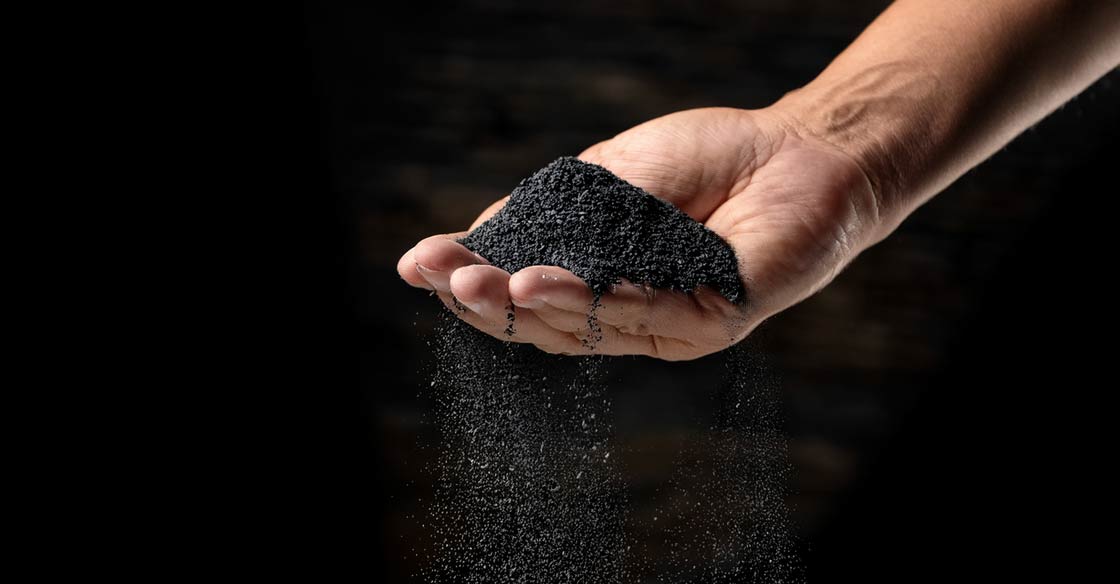
U.S. tungsten and battery scrap exports will be restricted per a new rule by the U.S. Bureau of Industry and Security, according to Resource Recycling, Inc. The temporary final rule, issued under the Defense Production Act, took effect August 27th, 2026 and will require US persons selling black mass (shredded lithium-ion battery scrap) and tungsten waste/scrap to allocate 100% of their monthly sales to domestic buyers for roughly one year. The rule is part of the larger effort to build and retain a domestic supply chain of minerals critical to advancing energy, technology, and defense applications.

DRC Restricts Copper & Cobalt Concentrates
In a similar effort by the Democratic Republic of Congo (DRC), the DRC has moved to restrict exports of copper concentrates and cobalt concentrates, according to Reuters. The restriction would help to build a domestic supply chain and ensure that the nation benefits from the wealth accrued from its mineral resources.
Trump Commits $2 Billion to Mining
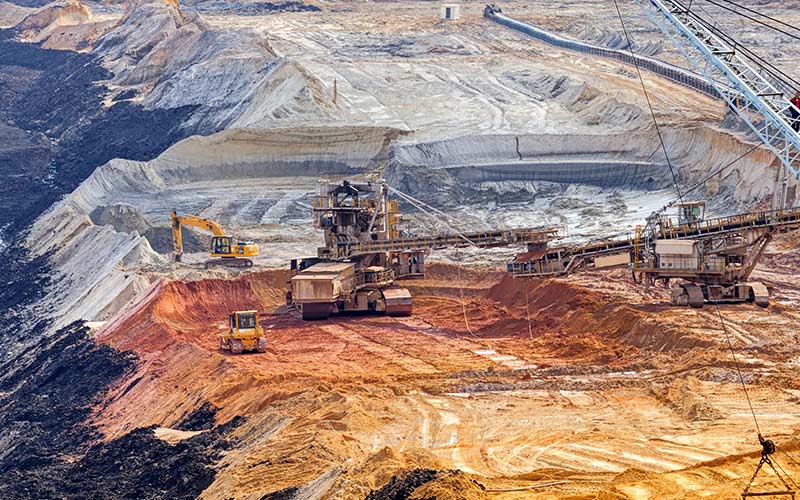
The Trump Administration announced over $2 billion in critical mining and mining-related investments. The announcement saw the largest meeting of industry leaders with a president in over 120 years, following a series of executive orders and Section 232 actions aimed at streamlining permitting, restricting exports of critical minerals, and reducing reliance on foreign supply chains.

Researchers Report on Credible R&D Opportunities Around Critical Minerals
Researchers from Duke University and the University of Cape Town have published a first-of-its-kind report mapping the most credible R&D opportunities for lithium and rare earth processing, aimed at helping Global South countries and companies move beyond mining into midstream processing—a stage currently dominated by China. The report identifies five strategic priorities for investors, according to Mining Weekly, emphasizing the need to address existing separation, refining, and processing chokepoints rather than mining itself.
Updates in Fertilizer
Tariffs Threaten Potash
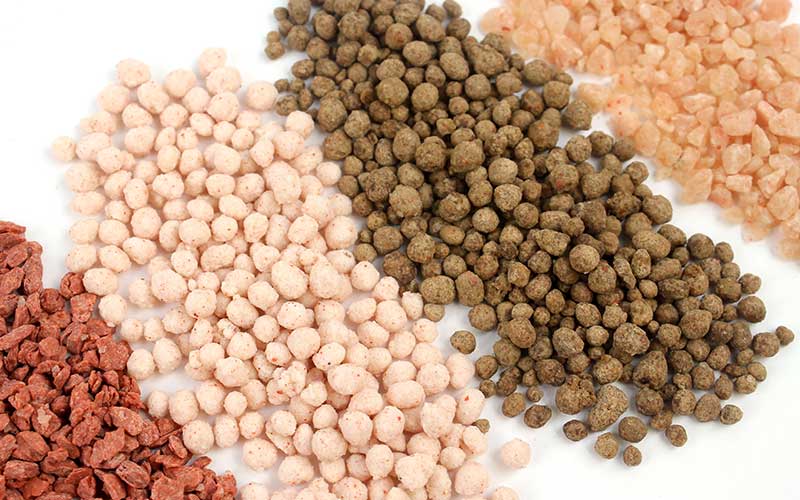
The escalating trade war with Canada has growers in the U.S. worried about obtaining potash, the bulk of which is imported from Canada. A critical source of potassium for crops, the agriculture industry worries potash could become a leverage point for Canada, pushing already-high fertilizer prices out of reach. Read more from Fertilizer Daily >>
Updates in Chemical
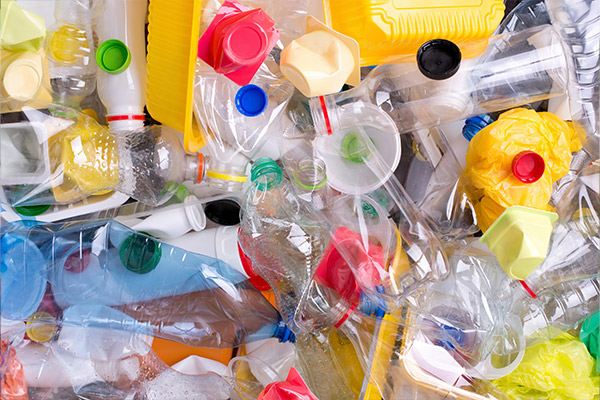
A Better Way to Make Hydrogen from Plastic
Researchers have developed a new way to produce hydrogen from plastic that cuts the process’s CO2 emissions by more than half and reduces energy requirements. Researchers at Ewha Womans University in South Korea developed the technique, which uses pretreatment to lower reaction temperatures, to provide a more accessible, more environmentally friendly approach to hydrogen production while also providing an outlet for plastic wastes that are otherwise not recycled. Read more from Chemistry World >>
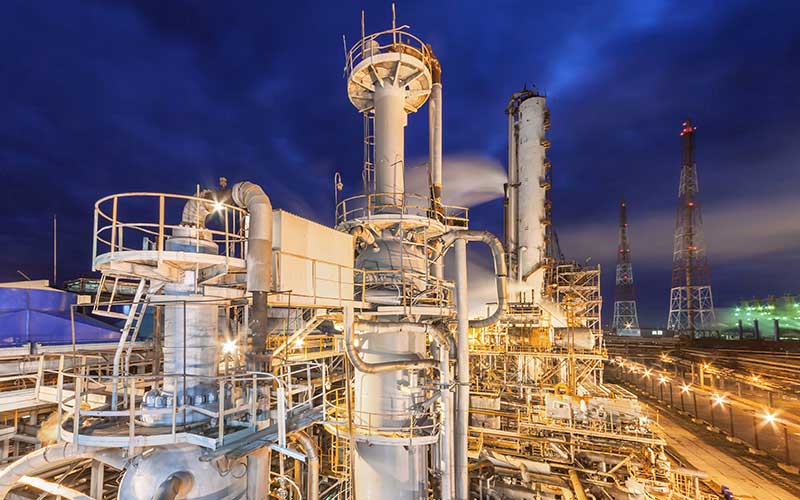
Shell to Divest U.S. Chemical Business
Oil giant Shell is looking to divest its U.S. chemical assets, which could bring the company an $8
billion payday, according to Financial Times, though that price tag is estimated to be significantly less than what the assets are worth. ExxonMobil and Lyondell are among the bidders with their hat in the ring, along with Apollo and Kuwait Petroleum Corporation’s chemical division.
Like what you’re reading? Subscribe to our blog for industry updates and expert advice on bulk solids processing and handling.
