


When it comes to maintaining rotary equipment like rotary dryers, kilns, and coolers, keeping units in optimal condition is critical to achieving consistent production, minimizing downtime, and extending service life.
While third-party service providers may seem like a convenient option, there are distinct advantages to working directly with the original equipment manufacturer (OEM) for inspections, maintenance, and repairs.
Whether addressing problems as they arise, or developing a preventive maintenance program, the following covers the many benefits of working with the OEM for ongoing service and maintenance needs.
1. Extensive Equipment Knowledge
OEMs lend deep expertise to problem solving and maintenance planning backed by years of engineering, field experience, and customer feedback. This includes direct knowledge of the design decisions and construction techniques used to build the equipment.
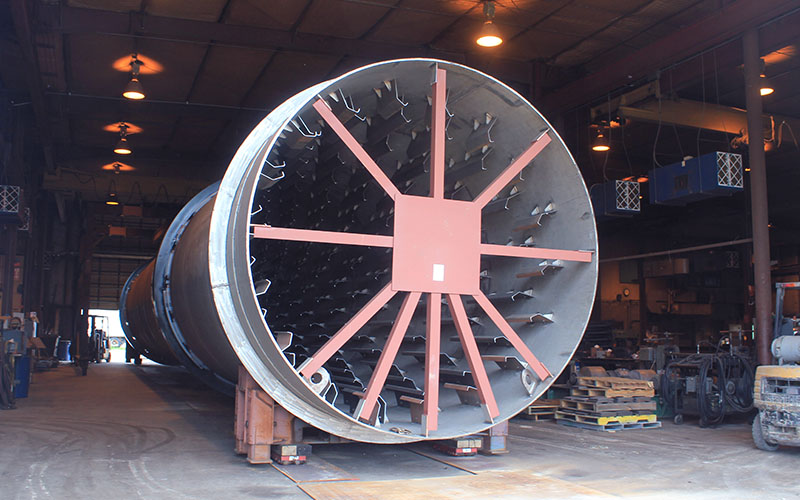
A dryer in fabrication at the FEECO Fabrication facility
As a service provider, this type of expertise allows them to know where potential for trouble exists, readily identify issues, and resolve them as quickly and efficiently as possible.
In contrast, third-party providers often rely on generalized experience that does not account for the subtleties of equipment designed for specific applications. This can lead to incomplete fixes, improper adjustments, or even damage that compounds problems down the line.
With extensive insight into the equipment’s design and operation, OEMs can work alongside on-site maintenance staff and operators, offering tailored guidance and answering questions in real time. Beyond this type of support, FEECO also offers custom training programs tailored to the plant’s specific process, equipment, and operational goals.
2. A Holistic Approach to Maintenance
Because of their extensive knowledge, OEMs are able to look at systems using a more holistic approach.
Third-party providers often focus on quick fixes that temporarily resolve the symptoms of an issue, without addressing the underlying cause. This may get equipment up and running quickly, but fails to prevent recurring downtime. This is commonly seen with problems stemming from rotary drum alignment, which can cause issues such as tire, trunnion, and thrust roller wear. While these issues can be resolved, unless the drum is realigned, wear will quickly resume.
A third-party provider may perform a surface-level inspection, but only the OEM has the insight to ensure that work is executed to the standards specified during equipment design and manufacturing.
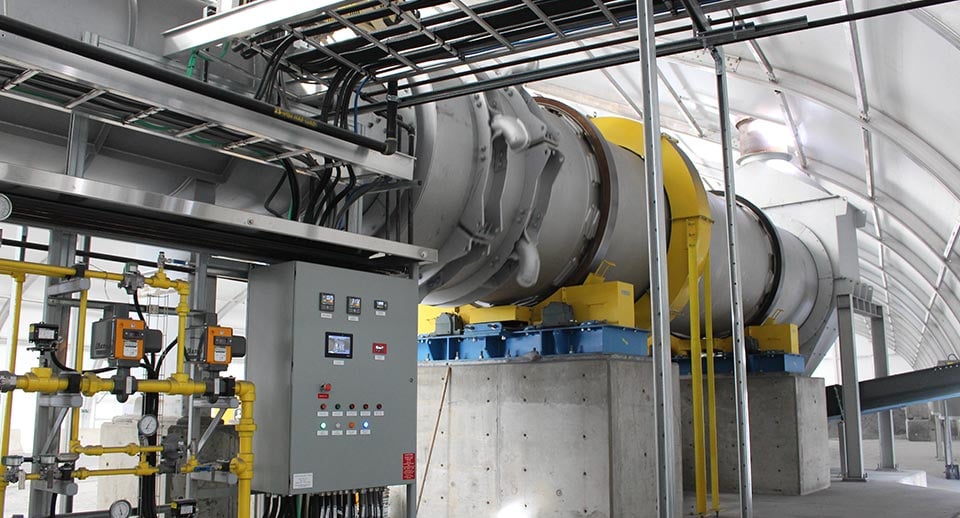
FEECO Rotary Dryer
3. Tools & Testing Capabilities
Beyond their extensive expertise and holistic approach, OEMs also have access to the specialized tools needed for not only repairing their equipment in the most efficient way possible, but also conducting non-destructive testing. This might include laser alignment systems, drum shell thickness testing, and trunnion hardness testing, to name a few.
Third-party contractors are often too generalized to keep these specialized tools on-hand.
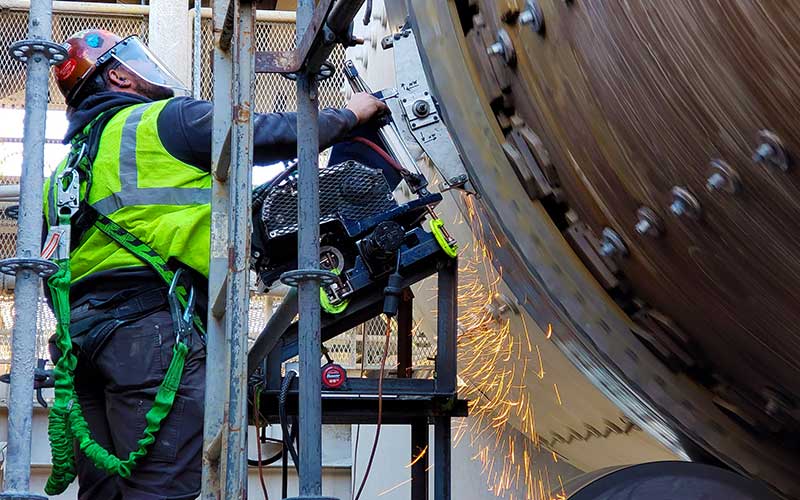
A FEECO Customer Service Engineer reconditions a tire surface via grinding
4. Access to OEM Parts
As with tools, OEMs also provide access to genuine OEM parts. Aftermarket parts may prove sufficient in some settings, but fit, performance, and longevity often rely on an exact-match replacement.
Third-party service providers may use universal parts to keep costs down, or rely on the customer to acquire the necessary components, adding to the burden of repair.
In contrast, OEMs not only have the right parts, but can quickly identify the best fit if original dimensions or specifications are unknown. OEMs also have a record of drawings and spare parts lists on-hand, which they can reference when the appropriate replacement is unknown to on-site personnel. Depending on the OEM, this may hold true across equipment brands; the OEM may be able to engineer and fabricate a replacement in the event that the original provider is no longer in service or drawings are unavailable.
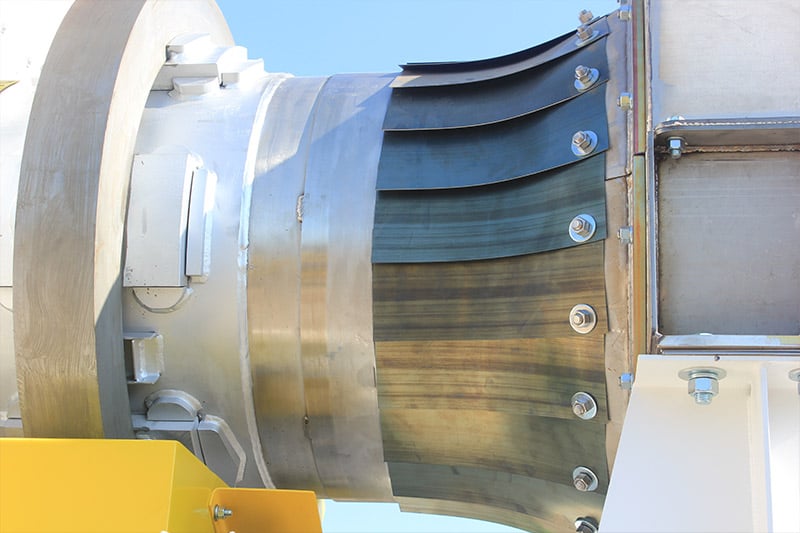
Replacement leaf seal on a rotary dryer
5. A Partner in Long-Term Maintenance Planning
Third-party providers tend to work on a project basis, addressing specific issues when called upon. In contrast, OEMs can offer ongoing support in planning long-term maintenance procedures, answering questions, and acting as an extension of your maintenance and reliability team.
OEMs can also often supply helpful tools, such as inspection guidelines and check sheets, parts ordering systems, and recommended service milestones, that help to streamline maintenance planning and documentation.
This type of support allows plants to schedule maintenance activities in the most efficient order, minimizing downtime while ensuring equipment longevity and avoiding rework.
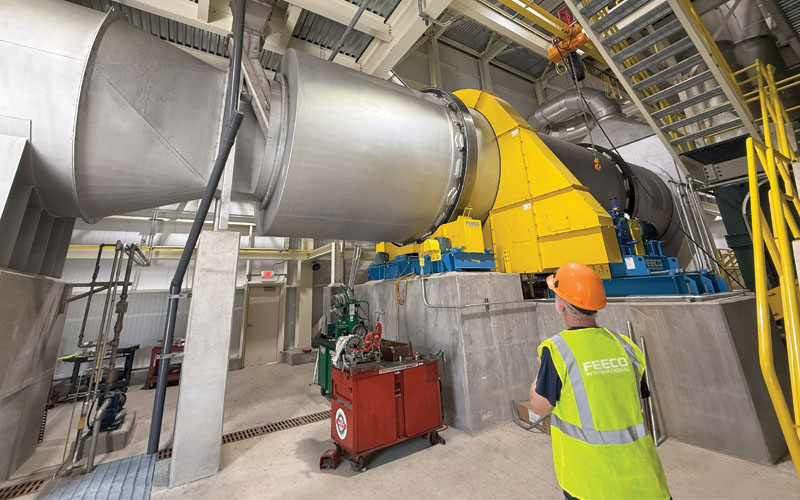
A FEECO Customer Service Engineer inspects a rotary dryer
6. Opportunity for Upgrades
Acting as an extension of your maintenance team also allows OEMs the opportunity to advise on equipment upgrades and design improvements. As technologies change and practices evolve, OEMs can be instrumental in keeping plants up to date, suggesting improvements that enhance efficiency and extend equipment service life.
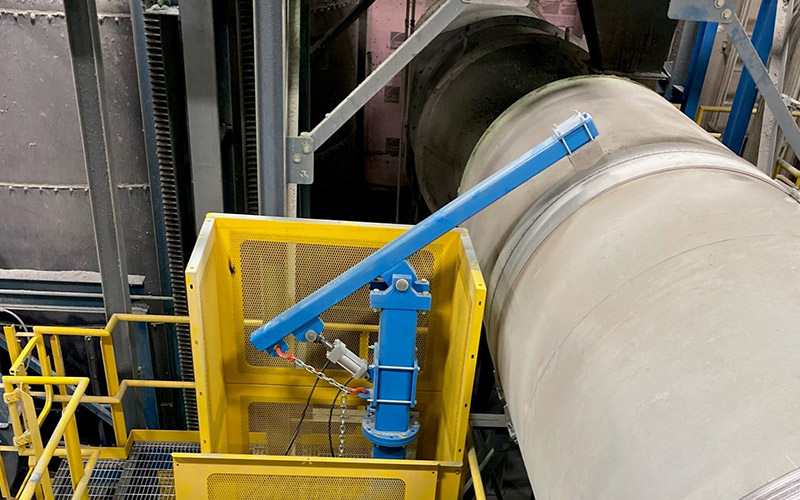
FEECO developed this pneumatic hammer knocker to provide a tailored approach to reducing buildup in drums compared to ball-and-tube knockers.
7. Warranty Protection & Regulatory Compliance
An often-overlooked aspect of maintaining process equipment is preserving the equipment’s warranty and original safety specifications.
Depending on the OEM and the equipment’s purchase terms and conditions, the use of some components or procedures may void the manufacturer warranty. This risk can be avoided by working directly with the OEM for parts and service work.
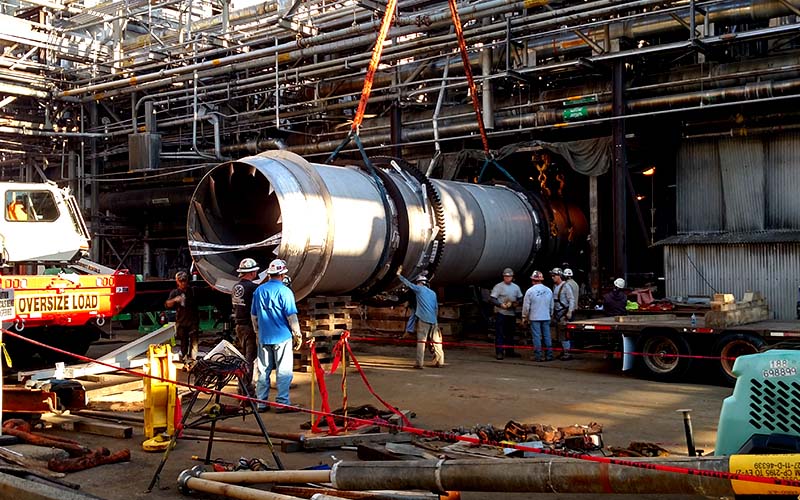
Rotary dryer replacement in progress
8. Risk Management & Cost Avoidance
Working with the OEM often means peace of mind in other ways as well. Because they stand behind their equipment, maintenance managers know that if something doesn’t work right or a repair doesn’t meet expectations, they can work with the OEM to resolve the issue.
This built-in support helps prevent the added costs and delays that come with repeat repairs or trial-and-error fixes. The FEECO Customer Service Team is frequently called upon to fix problems stemming from poor third-party repairs, which only prolongs downtime and drives up costs.
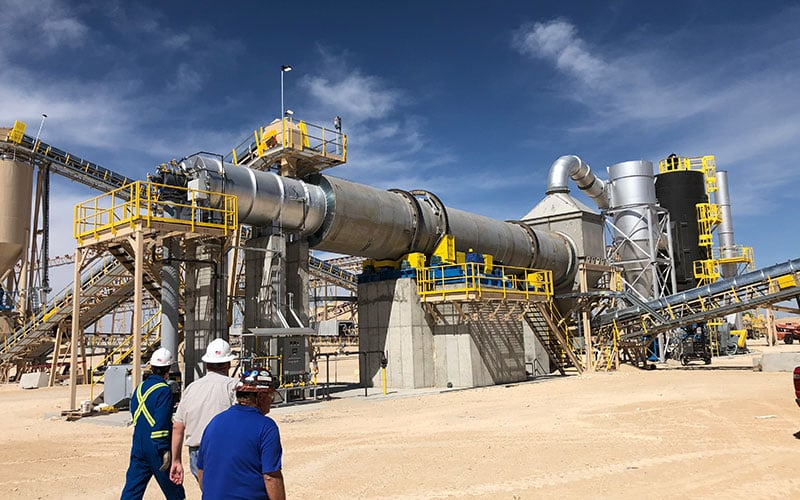
A FEECO Customer Service Engineer works with on-site personnel in preparation of rotary dryer service work
When the OEM is Not a Fit
While OEMs are best positioned to provide comprehensive support, they may not always be an option. In cases where the OEM has since gone under, or where expectations weren’t met, it may be best to explore alternative providers.
Having manufactured custom rotary drums since 1951, FEECO can assess and repair any brand of equipment when expectations fall short or original providers are no longer in service.
Conclusion
For maintenance and reliability engineers in charge of rotary equipment, the decision to partner with the OEM for service and maintenance is about more than convenience—it’s about protecting long-term performance and capital investment. OEMs bring unmatched expertise, access to exact-fit parts, and a holistic perspective on maintenance that prevents recurring downtime and costly mistakes.
By choosing an OEM like FEECO, facilities can be confident their equipment will continue to deliver reliable performance, backed by a partner committed to their long-term success. From FEECO-built units to equipment manufactured elsewhere, our Customer Service Team is trusted to provide the same level of precision and reliability that has defined our brand for decades. To learn more about our parts and service support, contact us today!

