Fertilizer Granulation FAQ

This article was co-authored by:

Carrie Carlson
Technical Writer

NPK granules

While fertilizer production is a well-established industry, many questions arise in the design of a fertilizer granulation plant. As new and existing producers aim to meet increasingly specialized crop nutrient demands, transform waste materials and by-products into value-added products, and utilize novel source materials, these …

Continue Reading โ†’

Common Industrial Process Mixing Problems (and How to Solve Them)

This article was co-authored by:

Tyler Frye, Process Sales Engineer & Agglomeration Expert at FEECO International

Process Sales Engineer
Agglomeration Expert

Carrie Carlson
Technical Writer

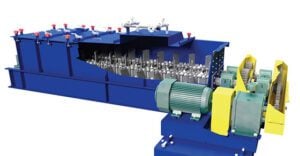
Common industrial mixing problems

Industrial mixers are utilized to process bulk solids ranging from fertilizers and soil amendments to advanced chemical compounds, catalysts, and mineral concentrates.  The flexible processing capabilities of these mixers, paired with their ability to continuously create homogeneous blends, makes them a preferred option for plants …

Continue Reading โ†’

Acid Mixing in Lithium Conversion: How Pugmill Mixers Optimize Spodumene Concentrate Processing

This article was co-authored by:

Tyler Frye, Process Sales Engineer & Agglomeration Expert at FEECO International

Process Sales Engineer
Agglomeration Expert

Carrie Carlson
Technical Writer

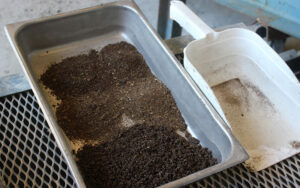
Spodumene Acid Mixing

Pugmill mixers are widely used in the sulfuric acid (sulfation) process that extracts lithium from spodumene ore. As demand for lithium continues to mount, pugmill mixers are a pivotal tool in bringing lithium from spodumene sources to market, making a measurable difference in consistency, safety, …

Continue Reading โ†’

De-Risking Graphite Production Through Testing

This article was authored by:

Carrie Carlson
Technical Writer

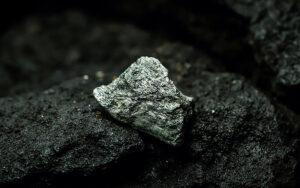
Graphite

Graphite has rapidly emerged as one of the most essential materials in modern industry, largely due to its role in lithium-ion batteries, advanced materials, and high-performance industrial applications. However, producing graphite products that meet increasingly stringent specifications, whether for purity, particle size, or morphology, requires …

Continue Reading โ†’

The Importance of Rotary Drum Alignment

This article was co-authored by:

Carrie Carlson
Technical Writer

Craig Peppin, Customer Service Manager at FEECO International

Craig Peppin
Customer Service Manager

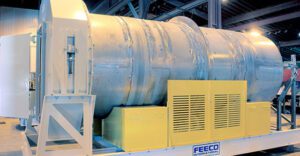
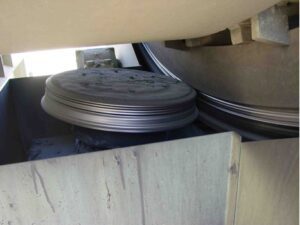
Rotary Drum Laser Alignment

Rotary drum alignment is a critical factor in maintaining the long-term performance and reliability of industrial rotary equipmentโ€”whether it’s a dryer, kiln, cooler, or agglomerator. Misalignment is one of the most common and potentially damaging issues encountered in drum operation. And while it may begin …

Continue Reading โ†’

Floating Tire Assembly Improves Rotary Drum Operation and Longevity

This article was co-authored by:

Carrie Carlson
Technical Writer

Craig Peppin, Customer Service Manager at FEECO International

Craig Peppin
Customer Service Manager

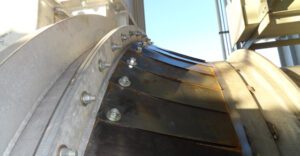
Rotary Drum Floating Tire Mount

The tire mounting assembly on a rotary drum, whether a dryer, cooler, kiln, or otherwise, goes far beyond a mechanical interface; it ensures proper drum shell support, minimizes wear, and safeguards the equipmentโ€™s long-term service life.ย ย  Over the past several decades, mounting technology has evolved, …

Continue Reading โ†’

Agglomerationโ€™s Growing Role in Processing Spodumene Concentrates for Calcination

This article was co-authored by:

Tyler Frye, Process Sales Engineer & Agglomeration Expert at FEECO International

Process Sales Engineer
Agglomeration Expert

Carrie Carlson
Technical Writer

Agglomeration Drum

Agglomeration is emerging as a valuable complement to flotation in modern spodumene processing operations. As lithium demand drives the development of lower-grade and more complex deposits, the finer concentrate produced from flotation streams can challenge downstream calcination. The conversion of ฮฑ-spodumene to ฮฒ-spodumene requires consistent …

Continue Reading โ†’