

Updates in Mining
DOE Funding Projects Recovering Rare Earths from Coal Products
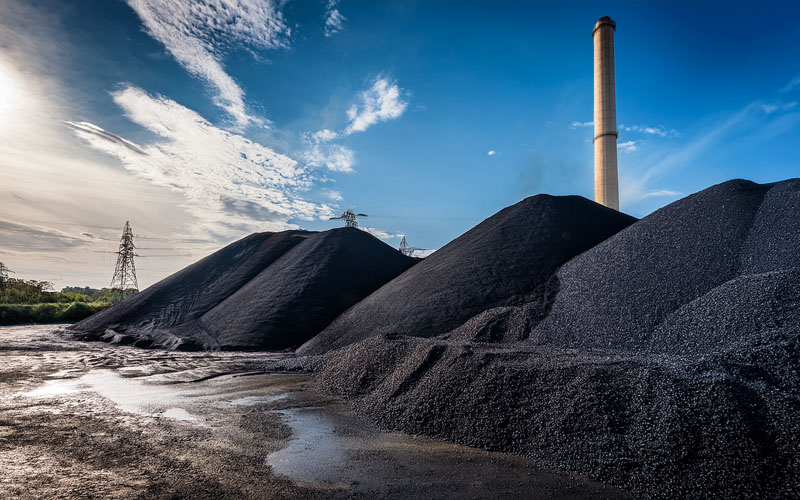
The U.S. Department of Energy (DOE) has awarded $75 million to five projects that will advance the recovery of critical minerals, including rare earths, from the nation’s coal resources. The move is part of an ongoing effort to secure a domestic supply chain of the minerals and materials essential to advanced energy, technology, and defense applications. The five projects will be managed by the DOE’s National Energy Technology Laboratory and include the University of North Dakota, Valor Metals Inc., CONSOL Innovations LLC, American Resources Corporation, and Peabody Energy Corporation.

Executive Order Takes Aim at Minerals Used in Defense
As part of a similar effort, Trump also signed an Executive Order doubling down on requirements for defense contractors to source critical minerals and components domestically or from allied nations. The Order notes: “Despite the longstanding prohibition on the use of sensitive materials sourced from geopolitical adversaries, defense contractors have historically under-prioritized domestic production and resilience. My Administration will act to ensure that the statutory requirements of 10 U.S.C. 4872 are strictly observed and result in resilient domestic and allied supply chains.”

Critical Mineral Investment Fell by 9% in 2025
Despite the ongoing push of many nations to source critical minerals domestically, the International Energy Agency (IEA) concludes in a new report that investment in critical minerals fell by 9% in 2025. The report also finds that while mining capacity has expanded in its geographical footprint, midstream refining and downstream manufacturing remain underserved.

Government Grants Texas Company License to Extract Uranium from Seawater
The U.S. Department of Energy (DOE) has awarded Texas’s SuperCritical Materials Corp a license to utilize technology the government developed to extract uranium from seawater, according to Creamer Media’s Mining Weekly. Not yet in commercial use, the technology could pave the way to long-term fuel security and industrial competitiveness, according to Assistant Secretary for Nuclear Energy, Ted Garrish.
Updates in Fertilizer

Domestic Fertilizer Production A Priority for the U.S.
The U.S. Department of Agriculture has announced $500 million for the Fertilizer Investment & Expansion for Long-Term Domestic Supply (FIELDS) Program. The program is aimed at supporting and expanding domestic fertilizer production facilities to improve nutrient affordability for growers. U.S. Secretary of Agriculture Brooke Rollins commented: “Under President Trump’s leadership, the USDA is rebuilding America’s fertilizer manufacturing base, strengthening supply chains, and ensuring our producers have reliable and affordable access to the fertilizer they need to remain competitive. The previous administration chose to prioritise their radical climate agenda when searching for fertilizer projects, and as result let this problem exacerbate by not getting shovels in the ground and only building 6% of their stated goal. The Trump Administration’s FIELDS programme is solely focused on producing fertilizer leading to lower costs for American farmers and consumers, as well as restoring a critical supply chain for our country. Farm security is national security.” Read more from World Fertilizer >>

Excess Nutrients Detrimental to Soil
A literature review out of the University of Florida underscores the importance of precision agriculture in avoiding excess nutrient application. Researchers found that over-application of nutrients disrupts beneficial soil microorganisms that cultivate a healthy, vigorous soil environment. The review notes that the current fertilizer market could have the unintended effect of rebalancing soils for future applications as growers pull back on nutrient application in the face of high costs. Read more from FertilizerDaily >>
Updates in Chemical
Two Year Exemption Granted for Certain Chemical Manufacturers
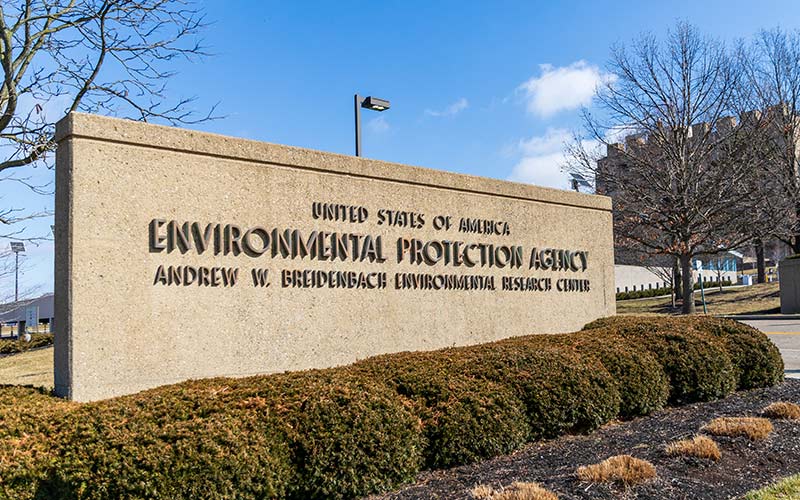
Chemical manufacturers making products used in semiconductors, defense, and other essential applications have been granted a reprieve from EPA standards changed under the Biden Administration. President Trump announced that certain facilities will have a two-year exemption period from the rule change in order to avoid supply disruptions and give manufacturers more time to address the technical and economic challenges associated with compliance. Read more from Chemical Processing >>
Process Converts Plastics to Organic Acids Using Water Droplets
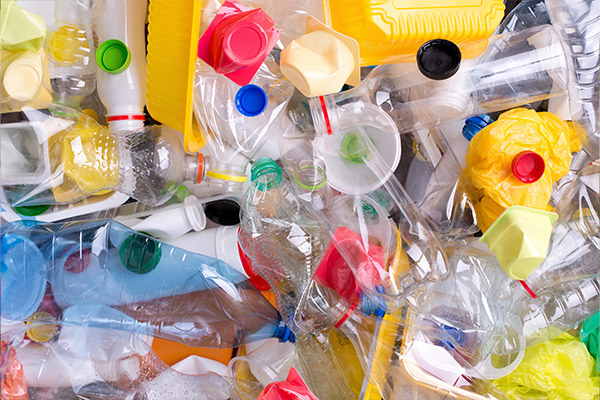
A study published in the journal Nature illustrates the commercial viability of a process that uses tiny water droplets to break plastics down into organic acids. Scientists from several universities have collaborated to address the growing plastics problem, developing a microdroplet chemistry-based process not hindered by current industrial barriers such as costly catalytic technology and feedstock heterogeneity. The process achieved complete conversion and was shown to be applicable to a diverse range of plastics.

Graphene Without Graphite
Researchers at Texas A&M University’s Mechanical Engineering Department have discovered a new way to produce a material critical to batteries and advanced manufacturing. Researchers started out producing hydrogen and carbon from methane, but quickly uncovered a path to graphite-free production of graphene oxide. The discovery is the first to see graphene produced using natural gas precursors in a scalable process, a technology that would bypass the challenges associated with a limited domestic graphite supply chain. Read more from Chemical Online >>
Like what you’re reading? Subscribe to our blog for industry updates and expert advice on bulk solids processing and handling.
