

Updates in Mining

A Critical Minerals Stockpile (Project Vault)
In partnership with the White House, the Export-Import Bank of the United States (EXIM) announced the launch of Project Vault, a $12 billion public-private initiative establishing the U.S. Strategic Critical Minerals Reserve to strengthen domestic supply chains and protect American manufacturers from supply disruptions. Backed by a $10 billion EXIM loan and nearly $2 billion in private investment, the decentralized reserve will store essential raw materials across secure U.S. facilities. The initiative received strong support from government and industry leaders, who emphasized its role in reinforcing national security, industrial resilience, and U.S. competitiveness in critical minerals.

Mexico and U.S. to Collaborate on Critical Minerals
Mexico’s Economy Secretary Marcelo Ebrard announced that Mexico and the United States will develop a joint action plan to promote preferential trade in a select group of critical minerals, according to Mineria Pan-Americana. The move aims to secure supply chains for key industrial sectors while respecting each country’s sovereignty and legal framework. As part of broader USMCA review talks, both nations will evaluate coordinated trade policies, potential minimum import prices, and border price adjustments to strengthen supply chain resilience. Over the coming months, they will also explore regulatory alignment, investment support, reserve development, financing, and information sharing on mineral deposits.
Rare Earth Shortages Felt
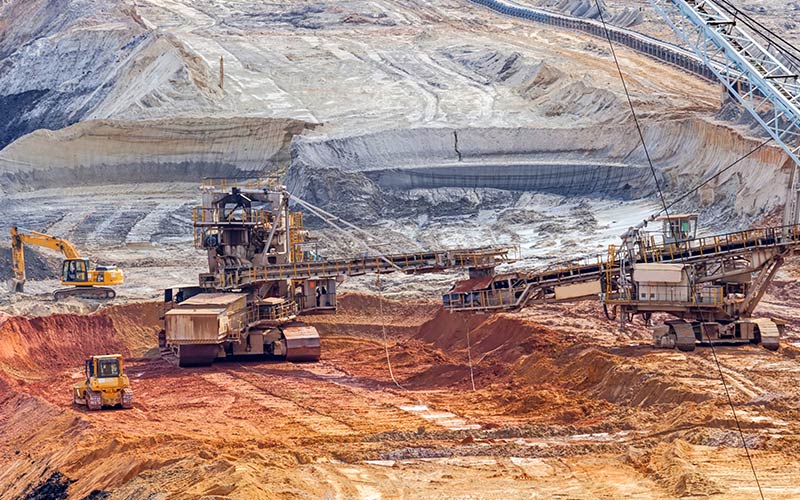
Suppliers to U.S. aerospace and semiconductor companies are facing worsening shortages of rare earths such as yttrium and scandium, largely produced in China, despite a recent easing of trade tensions. Yttrium prices have surged and exports to the U.S. remain sharply reduced since China’s export controls, forcing some North American firms to pause production or ration supply, while semiconductor manufacturers report scandium shortages that could threaten next-generation 5G chip production. The issue is expected to be a key topic in upcoming talks between Presidents Trump and Xi, as the U.S. seeks to secure critical mineral access and develop alternative supply chains. Read more from Mining.com >>
Updates in Fertilizer

Defense Production Act Invoked for Elemental Phosphorus
In a presidential order signed on February 18, 2026, President Trump invoked the Defense Production Act to designate elemental phosphorus and glyphosate-based herbicides as vital to U.S. national defense and agricultural security, arguing that their limited domestic production and reliance on imports leaves critical supply chains vulnerable.
Under the order, the Secretary of Agriculture is tasked with using federal authority to prioritize, allocate and ensure continued domestic production and supply of these materials in consultation with the Defense Department, while also issuing necessary regulations and safeguarding the viability of U.S. producers.
Updates in Chemical
EPA Strikes Down Endangerment Finding
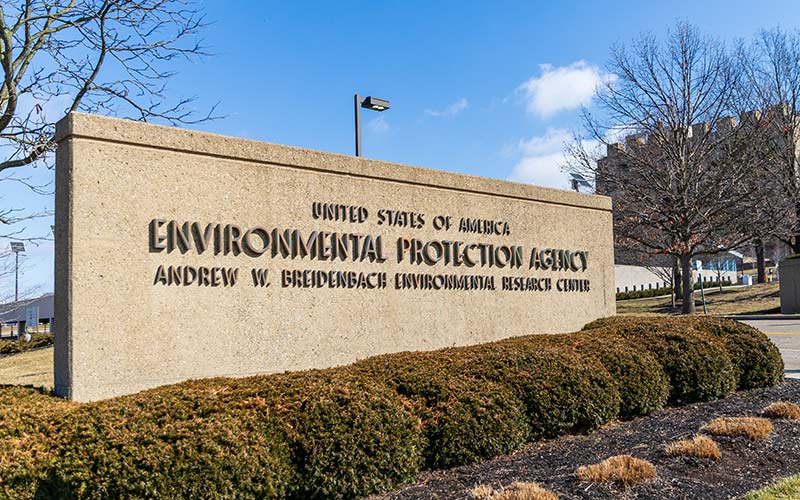
EPA Administrator Lee Zeldin announced a final rule eliminating the 2009 Greenhouse Gas Endangerment Finding and rescinding federal vehicle greenhouse gas standards dating back to 2012, calling it the largest deregulatory action in U.S. history. The Trump administration says the move will save more than $1.3 trillion, lower vehicle costs, and restore consumer choice, arguing that EPA lacked clear authority under the Clean Air Act to regulate greenhouse gas emissions in this way.

Cold Climate EV Batteries Closer to Reality
Researchers at the Dalian Institute of Chemical Physics in China have unveiled a new “liquid-solid” EV battery that retains more than 85% of its capacity after eight hours at −34°C (−29°F), addressing a longstanding weakness of lithium-ion batteries in extreme cold. In related testing, a Chinese Academy of Sciences team trialed an aluminum-based wide-temperature lithium-ion battery in a Geely EX5, reporting 92% discharge efficiency at −25°C (−13°F) and the ability to charge to 90% in about 20 minutes.
The technology aims to reduce winter range loss and slow charging issues that plague conventional EV batteries, though researchers say further large-scale testing is needed before commercial rollout. Read more from AL Circle >>
Like what you’re reading? Subscribe to our blog for industry updates and expert advice on bulk solids processing and handling.
