

Updates in Mining

From Acid Mine Draining to Drinking Water
Researchers at Heriot-Watt and the University of South Africa have successfully converted acid mine draining into drinking water, according to research presented at the International Mine Water Association (AMWA 2025) conference. Phys.org reports that in laboratory tests, researchers were able to demonstrate over 99% removal of pollutants, ultimately meeting South Africa’s drinking water standards.

Silver Hits A Record
In a culmination of factors ranging from its inclusion on the critical minerals list to excellent market fundamentals, the price of silver has reached a record high. Mining Weekly reports silver is finishing out 2025 at more than double its starting price at the beginning of the year, ending at over $65 per ounce.

SPEED Act Moves to the Senate
The Standardizing Permitting and Expediting Economic Development (SPEED) Act has passed the House and moved on to the Senate. The Act, which will streamline federal permitting under the National Environmental Policy Act (NEPA) of 1969, is being celebrated across industries ranging from mining to energy and fertilizer.
Updates in Fertilizer

Crops Becoming Less Nutritious
New research coming out of Leiden University shows an alarming trend in crop nutrition; a decline in key nutrients such as zinc, iron, and protein across several crops, alongside a rise in harmful elements such as lead, all linked to rising CO2 levels. The article was published in Global Change Biology.

Mosaic Cuts SSP Production in Brazil
Fertilizer magnate The Mosaic Company has announced they have begun idling production of single super phosphate (SSP) at two facilities in Brazil. The fertilizer producer indicates that rising sulfur prices cutting into margins for phosphate fertilizers is to blame. Read more from FertilizerDaily >>

New Trial Explores Biosolids as Sustainable Fertilizer for Hemp
A collaboration between researchers at University of Illinois Urbana-Champain and the Metropolitan Water Reclamation District of Greater Chicago (MWRD) is exploring the use of Class A biosolids as a fertilizer for industrial hemp cultivation. The trial is cited as a first of its kind, and initial results have been promising.

New USDA Pilot Program to Lessen Grower Costs, Boost Production
The U.S. Department of Agriculture has announced a $700 million Regenerative Pilot Program aimed at helping American farmers improve soil health and water quality, boost productivity, and bolster domestic food and fiber supply, all while lowering their production costs. The program will coincide with research at the Department of Health and Human Services (HHS) to better understand the link between regenerative agriculture and public health.
Updates in Chemical

Breakthrough in Gas Capture Technology
Chemists at UC Berkeley have developed a metal organic framework (MOF) capable of capturing industrial gases two times as efficiently, according to new research published in Science journal. The breakthrough could have major implications for separating and purifying industrial gases.

Faster Complex Molecule Production
Faster, more efficient building of complex molecules, a feat that could speed up the production of everything from medicines to to everyday materials, could be on the way, according to the University of Hawaiʻi at Mānoa. Researchers used a light-powered, energy-efficient process to guide aldehydes through controlled reactions to produce valuable molecular structures.
Less Costly Carbon Capture
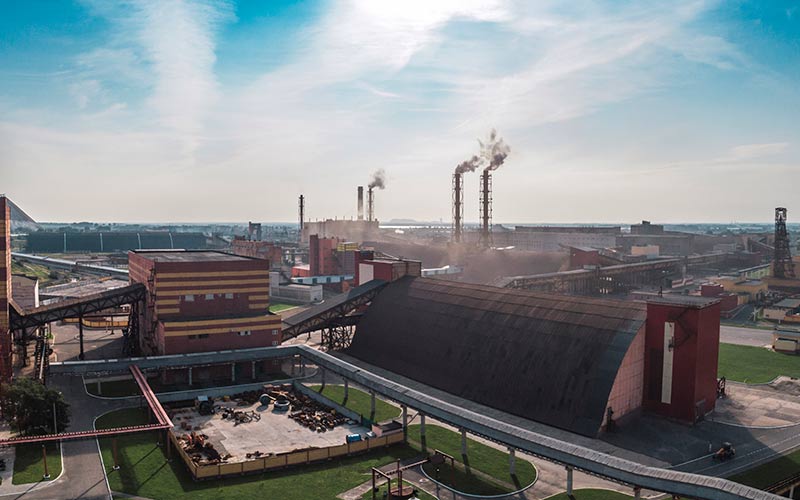
Scientists at the Massachusetts Institute of Technology (MIT) have found a simple way to improve the efficiency and affordability of carbon capture. Chemical engineers used a chemical called tris(hydroxymethyl)aminomethane (a.k.a., tris) to stabilize the pH of the capturing solution, allowing it to absorb more gas at a low temperature.
Like what you’re reading? Subscribe to our blog for industry updates and expert advice on bulk solids processing and handling.
