

Updates in Mining

New Merger Looking to Advance Deep Sea Mining
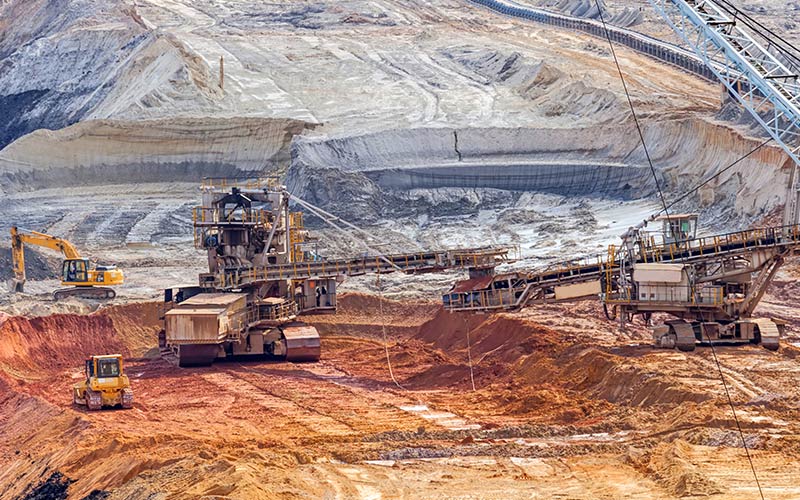
American Ocean Minerals Corporation (AOMC) and Odyssey Marine Exploration have announced a merger, according to Mining Weekly. The convergence will see the creation of a major US-controlled entity aimed at deep-sea mining and exploration. With access to over 500,000 m2 of prospective areas, the company, which will operate under the AOMC name, is looking at extracting nickel, cobalt, copper, and manganese, as well as rare earths and titanium from polymetallic nodules.
U.S. and E.U. Work Together on Critical Minerals
Reuters reports that U.S. Secretary of State Marco Rubio and European Union Trade Commissioner Maros Sefcovic have signed a memorandum of understanding (MoU) that will see the two nations work together to produce and secure critical minerals. The move is the latest of many geared toward lessening China’s control over essential materials. Rubio commented: “The over-concentration of these resources, the fact that they’re dominated by one or two places, is an unacceptable risk. We need diversity in our supply chains.”
Middle East Conflict Puts Aluminum Supply Chain at Risk
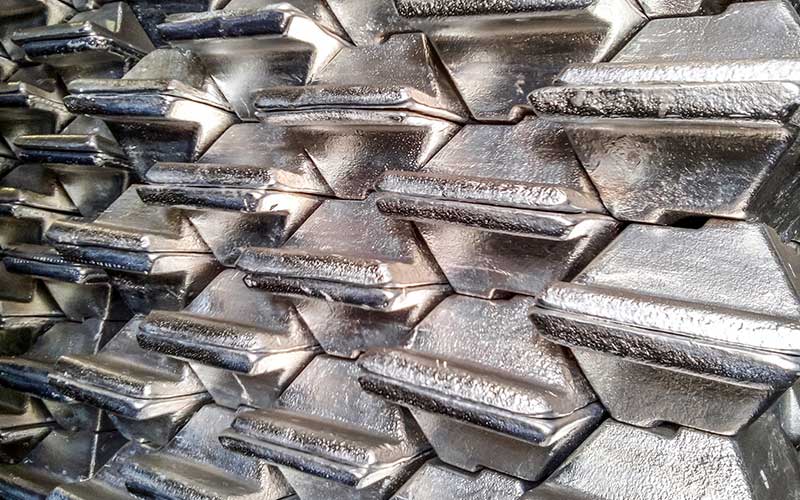
Wood Mackenzie is sounding the alarm around a crisis in the aluminum market created by the conflict in the Middle East, warning that it could create a major deficit. Attacks on smelters, disruptions to the supply chain, and blockage in the Strait of Hormuz have put aluminum the global supply chain at risk. Principal Analyst at Wood Mackenzie, Uday Patel, commented: “What this disruption highlights are how concentrated and fragile aluminium supply chains have become. With so much production and export infrastructure tied to a single trade route, even short-term disruptions can have outsized and immediate global consequences.”
An Institute for Critical and Strategic Minerals
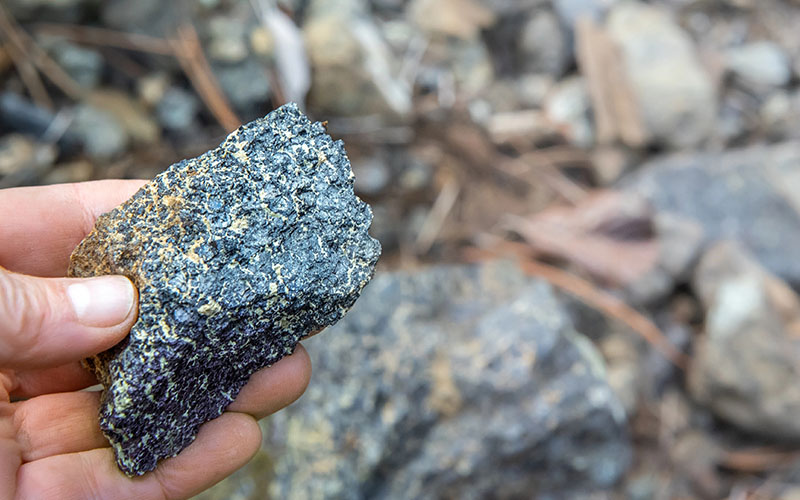
The University of Utah has announced they will build the Institute for Critical and Strategic Minerals (ICSM), a facility that will leverage education, workforce development, and the latest research to develop and strengthen a domestic supply of critical minerals and rare earth elements.
Updates in Fertilizer
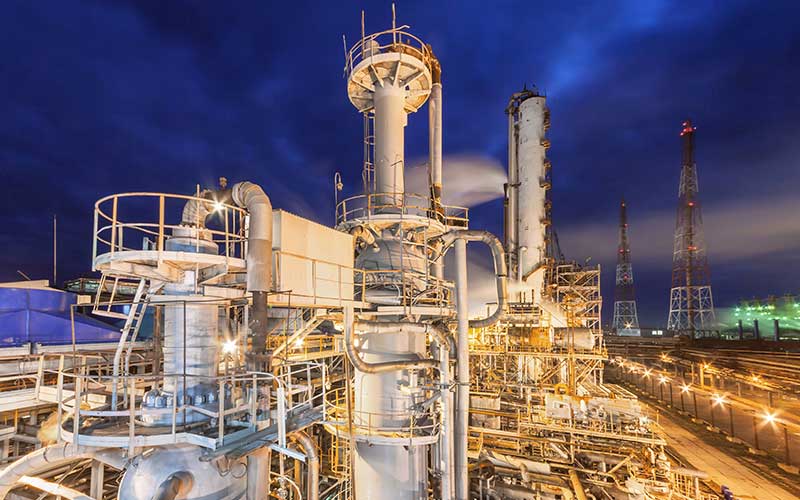
New Zealand to Catch a Break in the Fertilizer Market with New Plant
A new project in southern New Zealand could produce enough urea fertilizer from lignite to meet the country’s full demand, according to World Fertilizer. As New Zealand experiences ongoing fertilizer market volatility, the project by Australia-based Victorian Nitrogen is expected to be a welcome respite. The company is also exploring use cases for captured CO2.

Fertilizer Prices to Rise
The World Bank Group expects fertilizer prices to rise by 31% in 2026, courtesy of the conflict in the Middle East. Affordability is expected to be at its lowest level since 2022, threatening crop yields and farmer livelihoods and putting more than 45 million people into acute food insecurity.
Updates in Chemical
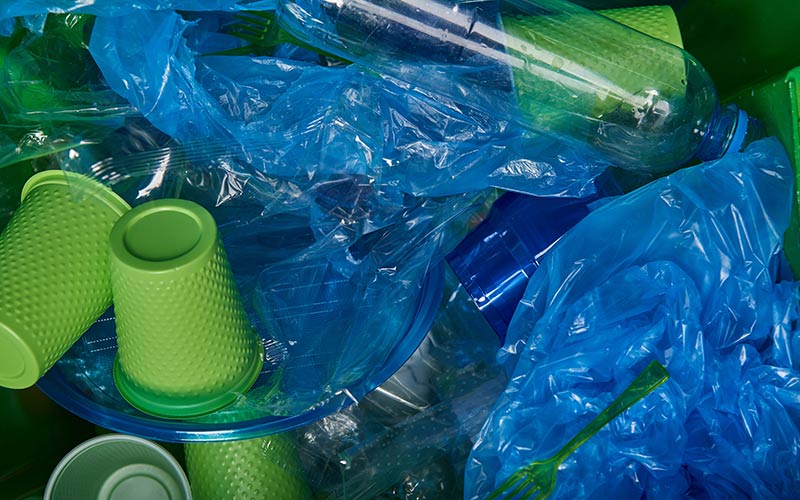
New Plant for End-of-Life Plastics
WPU, a subsidiary of Vitol, will build a new chemical recycling facility for end-of-life plastics at the Port of Rotterdam, according to Chemical Online. Once built, the plant is expected to be one of Europe’s largest, capable of processing 80,000 tonnes per year of post-consumer plastics utilizing pyrolysis technology.
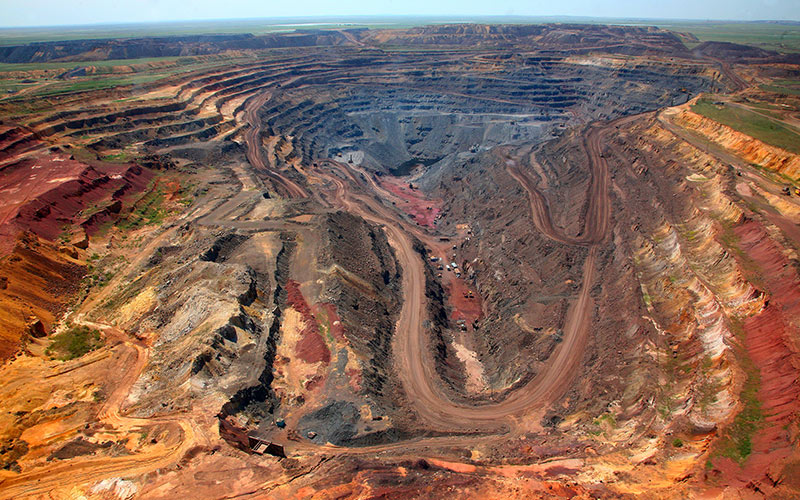
Sulfuric Acid Problem to Worsen
Obtaining sulfuric acid, critical in mining and fertilizer industries, will become even more costly in the coming months. With the seaborne sulfur market already disrupted due to the Iran war, China plans to restrict exports of the material starting in May. The move will be especially detrimental to import-dependent nations such as Chile and Indonesia, according to S&P Global.
Like what you’re reading? Subscribe to our blog for industry updates and expert advice on bulk solids processing and handling.
