

Updates in Mining
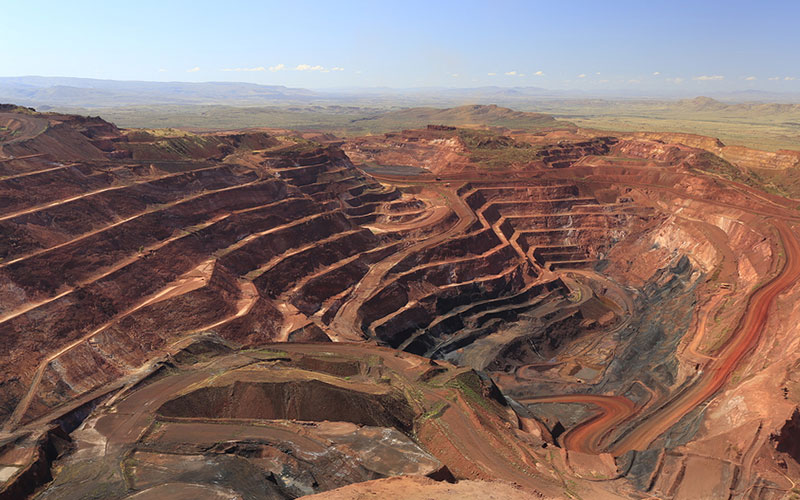
Canada Boosts Critical Mineral Supply Chains and Tariff-Hit Industries
Canada and Ontario announced a C$9 billion (~$6.4B) joint support package aimed at helping the US tariff-affected steel and auto industries, while also fortifying critical mineral supply chains. The funding will go toward modernizing mills, expanding non-US markets, boosting electric vehicle (EV) production, and building road access to Onatio’s mineral-rich Ring of Fire region. Read more from Reuters >>.
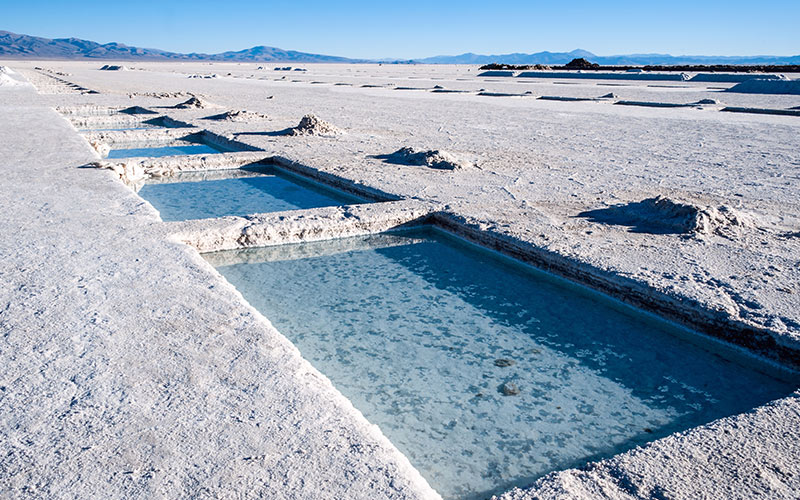
134 New Lithium Mines Needed
A new forecast from Benchmark Mineral Intelligence anticipates the world will need 134 new lithium mines by 2050 if it is to keep pace with demand largely driven by the battery market. Over $100 billion of investment will be required, which could be especially challenging as prices fluctuate and companies compete for capital with other growing industries such as AI and defense.
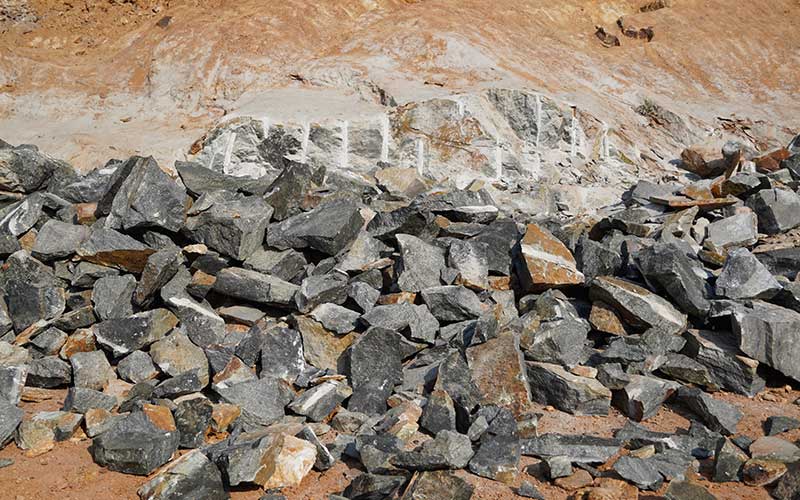
EU Selects Additional Strategic Projects
In an effort to shore up and diversify EU supply chains of critical minerals as part of the Critical Raw Material Act (CRMA), 46 projects will see faster permitting and coordinated support under selection by the European Commission. The list of new projects follows another 47 projects selected earlier in the year, along with 13 projects selected outside of the EU.

Chile Takes Aim at More Lithium
Chile wants to bolster the nation’s lithium production and plans to do so by issuing five new tenders for lithium projects in 2027, Mining Weekly reports. Once approved, five additional tenders would follow, more than doubling Chile’s output within the next decade.
Updates in Fertilizer

USDA Selects Eight Projects for FIELDS Funding
The U.S. Department of Agriculture has announced eight projects that will receive over $1.3 billion in investment as part of an ongoing effort to bolster domestic fertilizer production and lower prices for growers. Funding will come from the USDA’s Fertilizer Investment & Expansion for Long-Term Domestic Supply (FIELDS) program, as well as funding diverted from failed Fertilizer Production Expansion Program (FPEP) projects.. Read more from World Fertilizer >>.

Fertilizer Canada Welcomes Bill S-7
Fertilizer Canada is welcoming the anticipated reduction in unnecessary regulatory burdens they industry will see under Bill S-7, the Cutting Red Tape for All Canadians Act. ““We are particularly pleased to see proposed changes that would allow Canada to recognize trusted foreign regulatory systems for fertilizer products. Fertilizer Canada has advocated for a more streamlined, science-based approach to fertilizer product approvals for several years, including through private members’ legislation previously introduced by Members of Parliament Kody Blois and David Bexte. These changes have the potential to reduce approval timelines and provide Canadian farmers with faster access to innovative fertilizer products while maintaining important safety protections,“ the group said in a statement.
Updates in Chemical
New Photocatalyst for Converting Sunlight to Clean Energy
New avenues to convert sunlight into clean energy could be on the horizon. Researchers from Oregon State University’s College of Science developed a new family of metal organic framework (MOF) photocatalysts that could be a helpful tool in combatting greenhouse gases and climate change, with the ability to quickly and efficiently produce hydrogen. The group published their findings in the Journal of the American Chemical Society.

A New Way to Make Chemicals with Enzymes
University of Illinois researchers engineered an existing enzyme to form carbon-phosphorus bonds, which typically requires harsh chemicals and multiple complex steps. Using directed evolution—testing over 100 variations and adding machine learning-guided adjustments—the team produced an enzyme that successfully manufactures L-glufosinate, the active ingredient in a widely used herbicide, with very high precision, and also worked for a wide range of other phosphorus-containing compounds. Published in Science and funded through the U.S. Department of Energy’s CABBI center, the work expands what enzymes could be used to make in agriculture and medicine. Read more from Chemical Online >>.
Like what you’re reading? Subscribe to our blog for industry updates and expert advice on bulk solids processing and handling.
